FREE SHIPPING OVER $50

Stop Ruining Your Eggs: The One Oil Chefs Use for That Perfect Golden No-Stick Texture

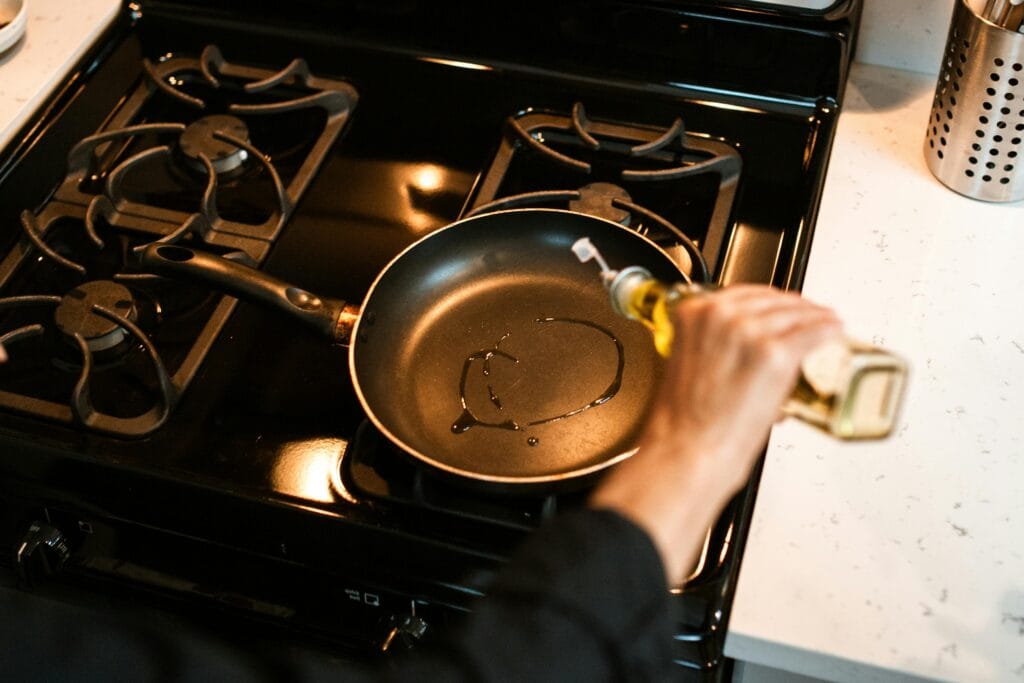
Most of us treat the fat in our frying pan as a secondary thought—a simple lubricant to keep breakfast from welding itself to the metal. We’ve been conditioned to reach for the butter dish or a quick spray of non-stick aerosol, but if you have ever struggled with a rubbery egg, a broken yolk, or a kitchen full of smoke, your choice of oil is likely the culprit. While butter tastes great, it has a dangerously low smoke point that leads to bitter, burnt edges before the whites are even set. Professional chefs, however, rely on a specific fat that can handle the heat required to trigger a crisp, lacy texture without sacrificing the delicate flavor of the yolk. This isn’t just about kitchen convenience; it’s about understanding the chemistry of the pan. Making a simple shift to the right oil can transform a standard fried egg into a restaurant-quality centerpiece with a golden, shattered-glass edge and a silky finish that slides right onto your plate.
The Science of the Smoke Point
Before we reveal the top choice, we need to talk about the Smoke Point. This is the temperature at which an oil stops shimmering and starts burning. When an oil breaks down, it releases a substance called acrolein, which creates that acrid “burnt” smell and can actually signal your body’s inflammatory response.
Most people fry eggs in butter, which has a smoke point of around 300°F to 350°F. Since a “perfect” crispy fried egg requires a pan surface temperature of about 375°F, butter begins to oxidize and turn black before the egg even hits the surface. To get that golden, no-stick finish, you need an oil with a high smoke point that remains stable under pressure.
The Winner: Extra Virgin Olive Oil (The Spanish Method)
While many people think olive oil is only for salad dressings, high-quality Extra Virgin Olive Oil (EVOO) is the secret weapon for the world’s best fried eggs. In Spain, “Huevos Fritos” are a culinary art form, and they are exclusively fried in olive oil.
EVOO has a smoke point between 375°F and 410°F, which is the exact “sweet spot” for egg frying. Beyond the temperature, olive oil contains polyphenols that protect the oil from breaking down. When the egg hits the hot oil, it creates a “steam barrier” that prevents the egg from actually touching the pan. This prompts a non-stick effect that even the best Teflon can’t replicate. The result is a “lacy” edge—those crispy, bubbly brown bits that provide a much-needed textural contrast to the creamy yolk.
High-Heat Oil Comparison Table
| Oil Type | Smoke Point | Flavor Profile | Health Benefit |
| Extra Virgin Olive Oil | 375°F – 410°F | Fruity / Peppery | High in Monounsaturated Fats |
| Avocado Oil | 520°F | Neutral | Heart-healthy & extremely stable |
| Ghee (Clarified Butter) | 450°F | Buttery / Nutty | No milk solids (less burning) |
| Butter | 302°F | Creamy | High in Vitamin A (but burns fast) |
| Coconut Oil | 350°F | Sweet / Tropical | Contains MCTs |
The Runner Up: Avocado Oil
If you find the flavor of olive oil too “green” or peppery for your morning eggs, Avocado Oil is the ultimate neutral alternative. It has one of the highest smoke points of any plant oil (up to 520°F), meaning it is virtually impossible to burn while frying an egg.
Avocado oil is rich in oleic acid and lutein, which support eye health and reduce cholesterol. Because it is so stable, it doesn’t oxidize during cooking. This ensures you aren’t consuming damaged fats at breakfast. It creates a very clean, smooth fry that allows the natural flavor of a high-quality, pasture-raised egg to shine through without interference.
Why Seed Oils Are Sabotaging Your Breakfast
You might be tempted to reach for the Vegetable Oil or Canola Oil sitting in your pantry. While these have high smoke points, they are often highly processed using chemical solvents like hexane.
From a nutritional standpoint, these oils are high in Omega-6 fatty acids. When heated, these polyunsaturated fats are prone to oxidation, which can prompt a systemic inflammatory response in the body. If you are trying to optimize your health, your morning eggs should be a source of clean energy, not a vehicle for oxidized seed oils. Switching to a fruit-based oil like olive or avocado is a simple swap that pays massive dividends for your long-term wellness.
How to Master the “No-Stick” Technique
Choosing the right oil is half the battle, but the technique is what triggers the final result. Follow these steps to ensure your eggs never stick again:
- Pre-Heat the Pan First: Never put oil into a cold pan. Heat the dry pan for 60 seconds over medium-high heat.
- The Shimmer Test: Add two tablespoons of your chosen oil. Wait until the oil “shimmers” or moves like water across the pan. This is the signal that the oil is hot enough to create that steam barrier.
- The Basting Method: Once the egg is in, use a spoon to splash a bit of the hot oil over the whites. This cooks the top of the egg without requiring you to flip it, keeping the yolk perfectly intact and runny.
- The Finish: Once the edges are brown and crispy, slide the egg out immediately. The residual heat will finish cooking the whites on the plate.
The Myth of the Low-Fat Egg
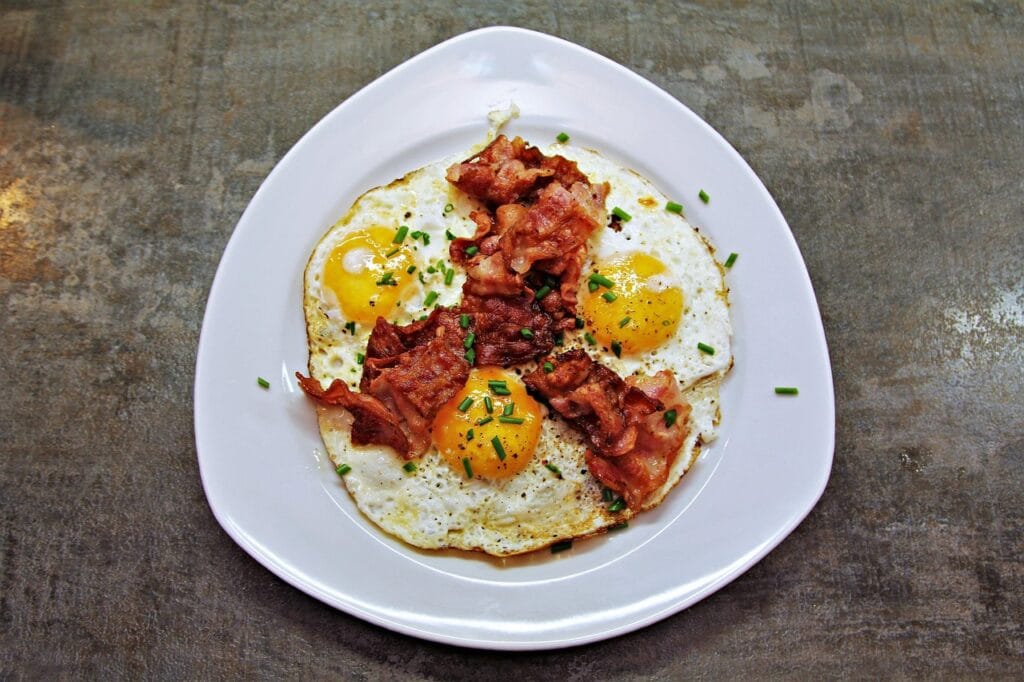
For years, we were told to use as little fat as possible, often resorting to sprays that are mostly water and propellant. However, your body actually needs the fats found in olive or avocado oil to absorb the fat-soluble vitamins (A, D, E, and K) found in the egg yolk.
By using a generous amount of healthy oil, you are making the nutrients in the egg more bioavailable. This means your body can actually use the protein and vitamins more effectively. A healthy fat tells your brain that you are full, which prevents the mid-morning energy crash that often follows a low-fat breakfast.
Essential Kitchen Gear for the Perfect Fry
While the oil is the star, the pan is the supporting actor. You don’t need expensive gear, but you do need the right surface.
- Carbon Steel: This is a favorite among chefs. It is lighter than cast iron but develops a natural non-stick patina over time. It handles the high heat of olive oil beautifully.
- Cast Iron: If you want the crispiest edges possible, cast iron is king. Its heat retention creates a powerful sear that prompts a deep, golden crust.
- Ceramic Non-Stick: If you prefer a mess-free experience, ceramic is a great green alternative to traditional non-stick pans. Just ensure you don’t use high heat, as it can degrade the coating.
Related Articles
- The 10 Foods Cardiologists Say Are Raising Cholesterol in People Who Think They’re Already Eating Clean
- The Autophagy Menu: 7 Foods That Trigger Your Body’s Internal Cleaning Crew to Reverse Aging
- The Surprising Thing Regular Carrot Consumption Does to Blood Sugar That Most Nutrition Labels Never Tell You
- What 3 Days Without Sugar Does to Your Brain Chemistry, Cravings, and Body Fat — According to Neuroscientists
- The 12 Everyday Foods Quietly Outpacking Eggs on Protein — and Most People Have No Idea