FREE SHIPPING OVER $50

Stop Overthinking Your Meals—New Research Says Eating the Same Thing Every Day Helps You Lose Weight Faster

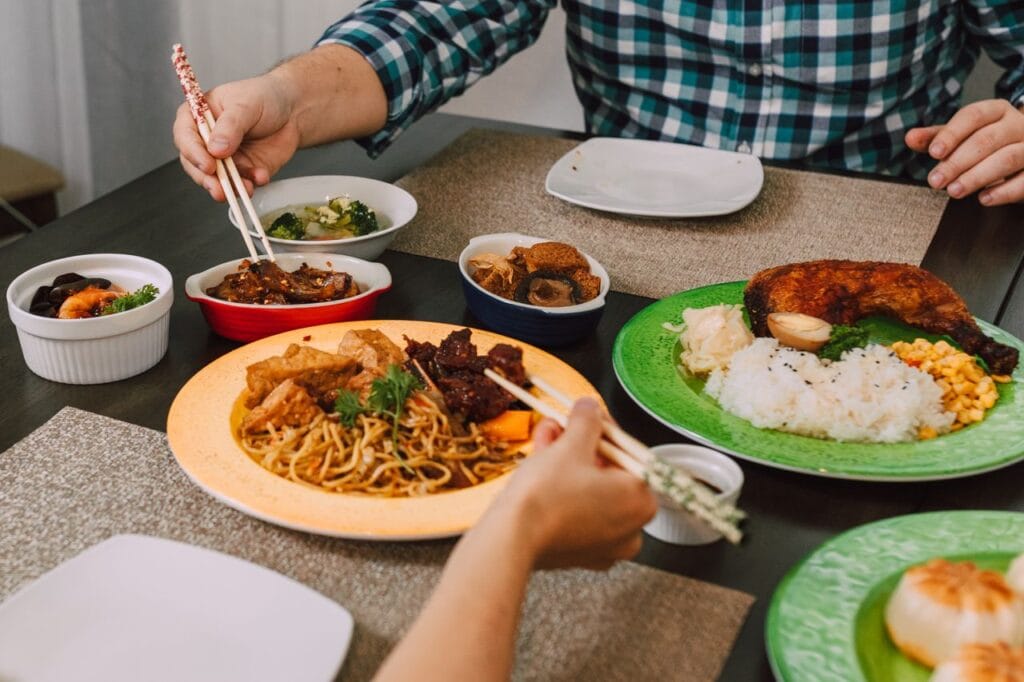
If the endless cycle of counting macros, hunting down exotic recipes, and agonizing over what to cook for dinne leaves you exhausted before you even sit down to eat, your diet might be suffering from sheer decision fatigue. Research shows that the average person makes over two hundred food-related choices every single day, creating a constant drain on willpower that almost always ends in late-night pantry raiding. By intentionally streamlining your diet and eating the same core meals every day, you leverage a proven psychological phenomenon called sensory-specific satiety, which automatically lowers your caloric intake, eliminates food cravings, and turns weight loss into an effortless, predictable background routine.
The Science of Sensory-Specific Satiety: Why Food Variety Boosts Appetite
When you present your brain with a wide variety of flavors, textures, and aromas at every meal, your central nervous system stays stimulated longer. Behavioral scientists refer to this mechanism as sensory-specific satiety. In simple terms, your appetite declines for a specific food as you eat it, but a brand-new flavor instantly reignites your desire to eat more.
Think about how full you feel after finishing a massive savory dinner at a restaurant. Even when you feel completely stuffed, seeing a sweet dessert menu suddenly opens up a second stomach. That happens because your brain registers a new sensory stimulus.
When you simplify your menu and eat similar meals regularly, your brain becomes accustomed to those specific food rewards. The novelty disappears, your dopamine spikes level out, and you naturally stop eating the moment your physical hunger is satisfied.
Decision Fatigue: The Hidden Reason Most Complex Diets Fail
Willpower behaves much like a battery that drains steadily as the day goes on. Every time you decide whether to order a salad or a sandwich, resist a donut in the office breakroom, or calculate the calories in a complex recipe, you drain a small amount of mental energy.
By six o’clock in the evening, your decision-making capacity sits near zero. Consequently, when you stand in front of an open refrigerator feeling tired and hungry, you are far more likely to throw away your diet plan and order takeout.
Automating your eating eliminates this mental strain completely. When you already know that lunch is grilled chicken, brown rice, and steamed broccoli, you do not waste a single unit of willpower making choices. The decision is already made, freeing up your mental energy for more important tasks while keeping your diet entirely on autopilot.
Comparing Diet Strategies: Variety vs. Repetition
Understanding the practical differences between a highly varied diet and a streamlined meal plan highlights why repetition wins for consistency:
| Diet Factor | High-Variety Flexible Diet | Repetitive “Same-Meal” Strategy |
| Daily Decision Fatigue | High (Requires constant choices) | Extremely Low (Meals are pre-planned) |
| Calorie Counting Accuracy | Low (Frequent estimation errors) | High (Exact portions are locked in) |
| Grocery Budget Control | Low (Buying unique ingredients) | High (Bulk buying simple staples) |
| Food Prep Time | High (New cooking steps daily) | Low (Batch cooking takes minutes) |
| Impulse Cravings | High (Constant exposure to novel foods) | Low (Reduced sensory stimulation) |
4 Major Benefits of Automating Your Daily Meals
Beyond saving time in the kitchen, adopting a repeatable meal blueprint produces distinct physiological and behavioral advantages that accelerate your body transformation.
1. Unmatched Calorie Tracking Accuracy
One of the most common reasons weight loss plateaus occur is inaccurate calorie logging. Measuring dynamic new recipes with dozens of sauces, oils, and ingredients introduces massive room for human error. When you eat the same balanced meals repeatedly, you calculate the calories once with absolute precision. You eliminate the guesswork, ensuring that your calorie deficit stays real and consistent week after week.
2. Automatic Portion Control
When you eat unfamiliar foods, your brain struggles to estimate how much energy you are consuming. In contrast, serving yourself the exact same bowl of oatmeal or chicken salad every day builds strong visual cues. Your eyes and stomach quickly learn what an actual serving looks like, making overeating almost impossible.
3. Lower Grocery Expenses and Zero Food Waste
Shopping for complex recipes usually leaves your crisper drawer full of half-used herbs, rare spices, and spoiled vegetables by Sunday night. Buying the same foundational staples allows you to purchase ingredients in bulk, saving money while reducing food waste to near zero.
4. Tamed Dopamine Spikes and Reduced Cravings
Highly varied hyper-palatable foods keep your brain’s reward centers constantly buzzing. By making your daily meals simple, nutritious, and predictable, you shift your relationship with food. Eating becomes a nourishing, enjoyable way to fuel your body rather than a source of hyper-stimulating entertainment.
How to Eat the Same Foods Without Getting Malnourished
A valid concern with eating the same meals every day is the potential for vitamin and mineral deficiencies. If your repeat menu consists solely of plain chicken and white rice, you miss out on essential micronutrients, healthy fats, and prebiotic fibers necessary for a thriving gut microbiome.
Fortunately, you can easily maintain exceptional health while eating repetitively by following three simple guidelines.
Step 1: Build Around the “Protein + Fiber” Rule
Every repeat meal should combine a lean, high-quality protein source with a high-fiber plant base. Protein boosts satiety hormones and preserves lean muscle mass, while plant fiber slows down digestion and feeds beneficial gut bacteria.
Step 2: Swap Your Seasonings, Not Your Whole Ingredients
Keep your core base identical while changing the flavor profile using low-calorie herbs and spices. For example, a base of chicken breast and roasted vegetables can taste like Mexican fajitas on Monday with cumin and smoked paprika, Italian herbs on Tuesday, and a spicy hot sauce blend on Wednesday. You get sensory novelty without changing your calorie count.
Step 3: Practice the “2-Meal Static Strategy”
You do not have to eat the exact same dinner seven nights a week to get the benefits of meal repetition. Instead, keep your breakfast and lunch completely static every single day, and allow moderate variety for dinner. This strategy eliminates eighty percent of your daily food decisions while giving you the flexibility to enjoy diverse dinners with family or friends.
A Simple Daily Repeat Blueprint for Maximum Fat Loss
If you want to test this strategy yourself, here is an example of a simple, nutrient-dense daily blueprint that balances high satiety with effortless prep:
- Power Breakfast: Three large eggs scrambled with a handfull of fresh spinach, served alongside one-half cup of cooked rolled oats topped with cinnamon and half a cup of fresh blueberries.
- Streamlined Lunch: Four to six ounces of grilled chicken breast served over two cups of mixed greens, chopped cucumbers, cherry tomatoes, one-fourth of an avocado, and two tablespoons of light vinaigrette.
- Fueling Afternoon Snack: One cup of plain low-fat Greek yogurt mixed with a scoop of chocolate protein powder or a tablespoon of natural peanut butter.
- Satisfying Dinner: Six ounces of baked wild salmon or extra-lean ground turkey paired with one roasted sweet potato and two cups of steamed green beans drizzled with a teaspoon of olive oil.
3 Big Mistakes to Avoid When Automating Your Eating
While meal repetition simplifies fat loss, hitting a wall is still possible if you fall into these three common traps:
- Choosing Foods You Dislike: Forcing yourself to eat dry turkey burgers and unseasoned broccoli just because it is healthy guarantees a crash. Choose nutritious foods that you genuinely enjoy eating every day.
- Cutting Calories Too Low: Eating the same low-calorie meal over and over can drop your daily energy intake too far, leading to intense physical hunger and metabolic sluggishness. Make sure your repeat plan provides adequate fuel.
- Ignoring Texture Variety: If all your repeat foods are soft or liquid—like protein shakes and soups—you miss out on the psychological satisfaction of chewing. Include crunchy fresh vegetables, nuts, or seeds to keep your meals satisfying.
Related Articles
- The Berry Effect: How These Tiny Fruits Outsmart Your Body’s Fat-Storing Hormones to Support Weight Loss, According to Research
- Want to Burn Fat Overnight? This Bedtime Drink Speeds Weight Loss by 50%
- 4 Expert-Recommended Exercises Every Woman Needs to Age Like a Boss
- Chair Yoga That’s Actually Worth Your Time (10 Minutes to Strength and Mobility)
- Six-Pack in 28 Days? Yep, I Did It—Here’s the Free Plan (No, It’s Not Just Sit-Ups)