FREE SHIPPING OVER $50
Is Couch-to-5K Too Hard? Try This Gentle 8‑Week Plan That Gets You to 5K in 2026

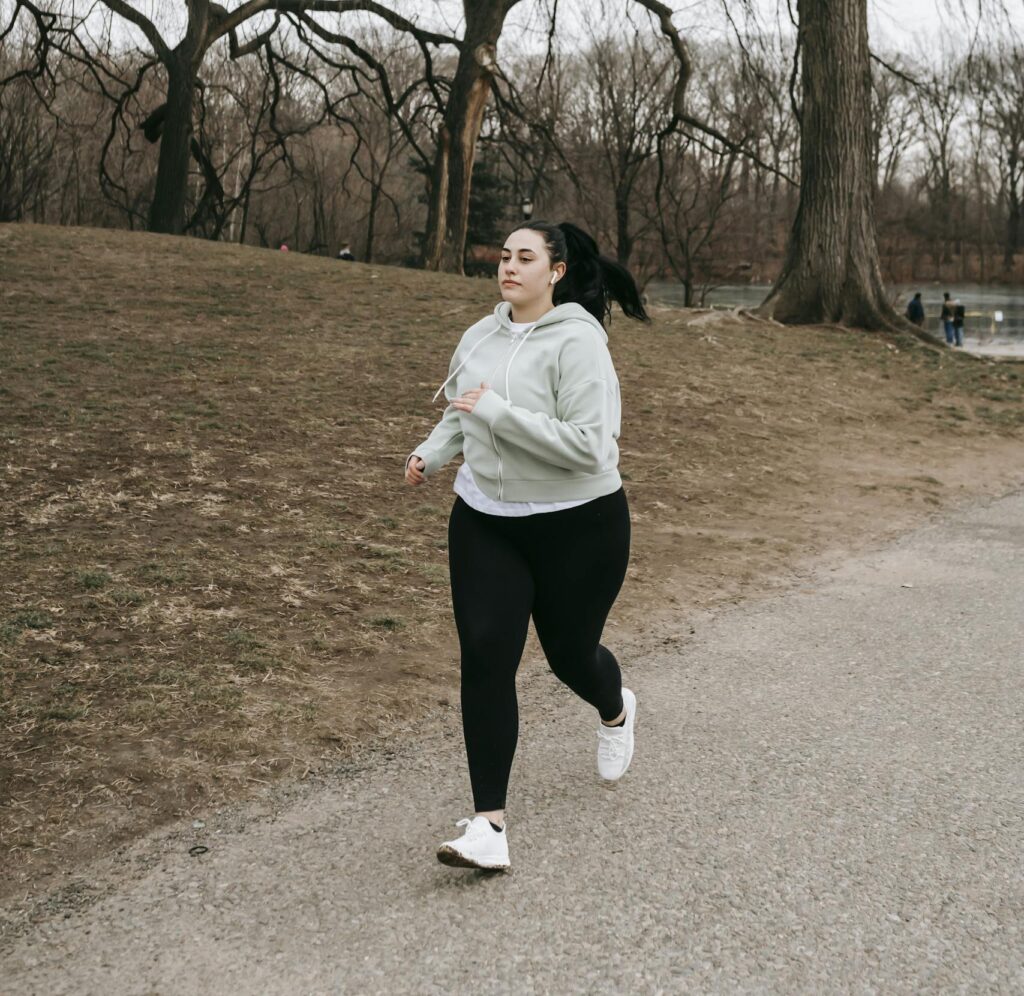
If you have ever downloaded a running app with high hopes in January, only to find yourself wheezing and clutching your shins by the second interval of “Week 1, Day 1,” you are certainly not alone. The famous Couch-to-5K (C25K) plan has helped millions, but for a significant number of absolute beginners, it feels less like a gentle introduction and more like a leap off a cliff.
The truth is that C25K assumes a baseline level of fitness that not everyone possesses—especially if you are returning to exercise after a long hiatus, managing a heavier body weight, or simply never considered yourself “athletic.” When a plan asks for a 60-second jog right out of the gate, it can lead to immediate discouragement.
As we look toward your 2026 fitness goals, it is time for a more sustainable approach. You don’t need to suffer through a plan that doesn’t fit your body. Instead, you need a “gentle” 8-week roadmap that prioritizes longevity over intensity. This is how you reach the finish line without the burnout.
Why the Original Couch-to-5K Might Be Failing You
The classic C25K program is built on a “run-walk” interval system. While the science behind interval training is sound, the initial “jumps” in intensity can be too aggressive for beginners. For many, the transition from sitting on a couch to jogging for 60 seconds—even with walking breaks—is a 1,000% increase in impact force on the joints.
Most beginner plans focus almost exclusively on cardiovascular endurance (your heart and lungs). However, your heart usually gets “fit” much faster than your bones, tendons, and ligaments. While you might feel like you have the “wind” to keep going, your shins and ankles might be screaming for mercy. This discrepancy is why so many people quit by Week 3 due to shin splints or knee pain.
The “Gentle” 8-Week 5K Roadmap
This alternative plan is designed to bridge the gap between “zero” and “Couch-to-5K.” It focuses on building a rock-solid aerobic base through power walking and “micro-shuffles” before asking for actual running.
Phase 1: The Power Walk (Weeks 1-2)
During the first two weeks, your goal isn’t to run at all. Instead, you are conditioning your legs for the habit of movement. You are teaching your brain that three times a week, you will be on your feet for 30 minutes.
- Focus: Brisk walking where you can still talk but would prefer not to.
- The Goal: 30 minutes of continuous movement, three times a week.
Phase 2: The Micro-Shuffle (Weeks 3-4)
In Week 3, we introduce “The Shuffle.” This is a jog where your feet barely leave the ground. Your turnover (how many steps you take) is high, but your speed is almost the same as your walking pace. This minimizes the “bounce” that causes joint pain.
- The Interval: 4 minutes of walking, followed by only 15 seconds of shuffling.
- Repetition: Repeat this 6 times for a total of 25-30 minutes.
Phase 3: The Integration (Weeks 5-6)
Now that your tendons are used to the light impact of the shuffle, we start to stretch the intervals. However, we keep the recovery walks long to ensure your heart rate stays in the “fat-burning” zone rather than the “gasping-for-air” zone.
- The Interval: 3 minutes of walking, 1 minute of shuffling.
- The Goal: Building the mental confidence to move continuously for a full minute.
Phase 4: The 5K Build (Weeks 7-8)
In the final two weeks, we move toward the 3.1-mile goal. By now, your “shuffle” has likely naturally evolved into a light jog. Because you spent four weeks preparing your joints, you are significantly less likely to experience the common injuries that plague C25K participants.
C25K vs. The Gentle 8-Week Plan
To help you decide which path is right for your 2026 goals, let’s look at how these two approaches compare.
| Feature | Classic Couch-to-5K | Gentle 8-Week Plan |
| Starting Point | 60-second jogging intervals | 30-minute power walking |
| Primary Focus | Cardiovascular capacity | Tendon and bone adaptation |
| Impact Level | Moderate to High | Low to Moderate |
| Injury Risk | Higher (due to rapid loading) | Minimal (due to incremental loading) |
| Mental Stress | High (rigid “pass/fail” feel) | Low (repeatable weeks) |
| Technique | Standard running stride | The “Low-Impact Shuffle” |
Mastering the “Low-Impact Shuffle”
The secret sauce of this 8-week plan is the technique. Most beginners try to run like they see athletes on TV—taking long strides and landing heavily on their heels. This creates a braking force that sends a shockwave through the knees.
To perform the “Shuffle,” keep your steps short. Your feet should land directly under your hips, not out in front of you. Think about “running on eggshells” or trying to be as quiet as possible. If you can hear your feet “slapping” the pavement, you are landing too hard. By shortening your stride, you reduce the vertical impact and keep the stress on your muscles rather than your joints.
Essential Gear for the 2026 Beginner
You do not need to spend a fortune on gear, but a few key items will make your 8-week journey significantly more comfortable. In the US, we often have access to “Run Specialty” stores—use them.
- Professional Gait Analysis: Most specialty shops will let you run on a treadmill for 30 seconds to see how your foot strikes. This is usually a free service and helps you avoid buying “pretty” shoes that actually hurt your feet.
- Anti-Chafe Balm: As you increase your time on your feet, friction becomes the enemy. A quick swipe on your thighs or heels can prevent a week of discomfort.
- Moisture-Wicking Socks: Never wear 100% cotton socks. Cotton traps sweat, leads to friction, and causes blisters. Look for synthetic blends or merino wool.
- A Simple Timer: You don’t need a $500 GPS watch. A simple smartphone app or a basic digital watch is enough to track your intervals.
Nutrition and Hydration: Support the Build
Because this plan is “gentle,” you don’t need a complex sports nutrition strategy. However, you are building new tissue (muscle and bone), which requires specific raw materials.
Transitioning to a higher-protein diet can help with the recovery of those “new” running muscles. Aim for a small protein-rich snack after your sessions. Additionally, focus on collagen-supporting nutrients like Vitamin C and Zinc, which are vital for tendon health.
Hydration is also key, but don’t overdo it. You don’t need to carry a gallon of water for a 30-minute walk-run. Simply ensure you are hydrated throughout the day so your joints stay lubricated and your energy levels remain stable.
Overcoming the Mental Hurdle
Perhaps the hardest part of a “gentle” plan is the ego. You might feel “silly” walking while others are sprinting past you in the park. But remember: those sprinters often disappear by February because they burnt out or got injured.
By choosing the slow, sustainable path, you are playing the long game. There is no shame in walking. In fact, many ultra-marathoners (people who run 50 or 100 miles) use a walk-run strategy to finish their races. Walking is a tool, not a sign of weakness.
Related Articles
- Getting Weaker? 7 Hidden Signs Your Workout Is Doing More Harm Than Good
- The Strength Shortcut? This Odd “Static” Move Builds Muscle Without Lifting a Single Weight
- Too Tired to Exercise? These 3 Chair Yoga Poses Restore Strength & Calm (Perfect for Seniors)
- He’s 63, Ripped, and Defying Aging. What He Told Me About Muscles Blew My Mind—You Need to Hear This
- 10 Effortless Daily Habits That Keep Your Body Attractive Without Ever Stepping Into a Gym