FREE SHIPPING OVER $50

I’m a Physical Therapist and I Banned This One Gym Machine After Seeing It Ruin Too Many Spines (90% Use It Wrong)

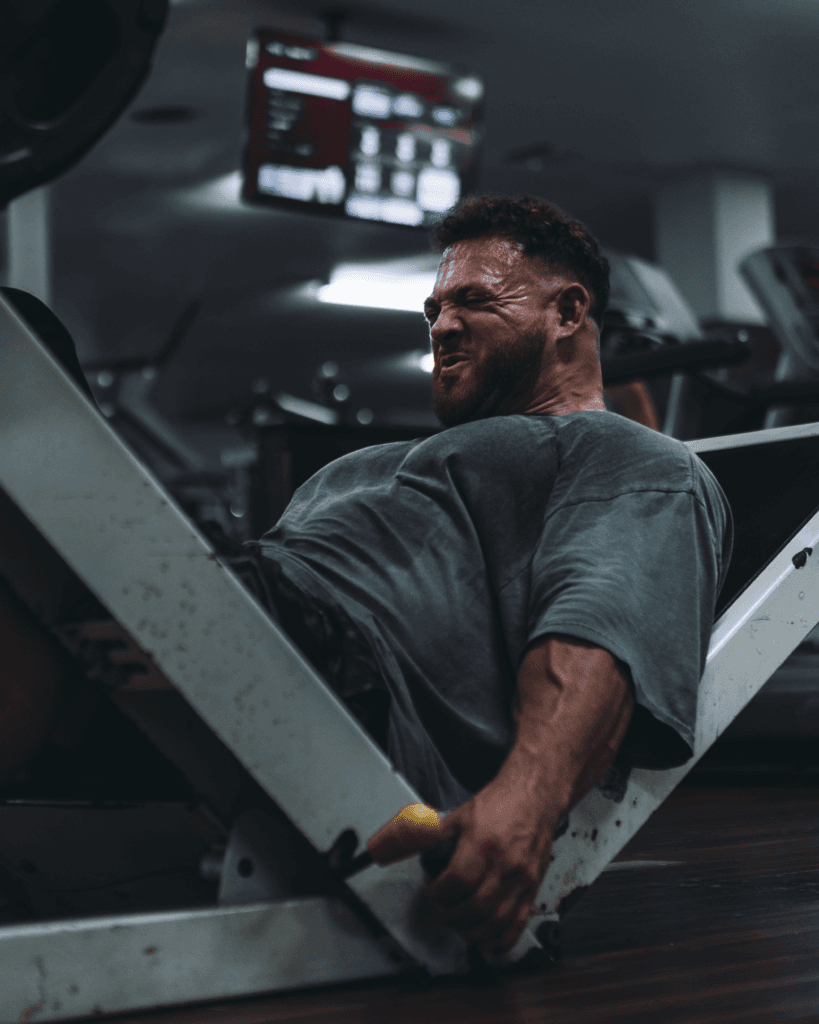
Walking into almost any commercial fitness center, you will immediately notice a massive line of people waiting to load hundreds of pounds onto the seated leg press machine. It feels empowering to slide five or six heavy plates onto each side and push that giant sled with your legs, making you feel incredibly strong. However, as a practicing physical therapist, I see the dark side of this popular gym favorite every single week when clients crawl into my clinic gripping their lower backs in agony. While the leg press is designed to build massive thighs and glutes without requiring the balance of a traditional barbell squat, a staggering 90% of gym-goers use it in a way that actively destroys their spinal health. Consequently, I have officially banned this specific machine for my clients until they learn the hidden biomechanical flaws that turn this muscle-builder into a dangerous spine-crusher.
The Unsuspecting Culprit: Why the Seated Leg Press is So Deceptive
The core problem with the seated leg press stems from a false sense of security. Because your back is firmly pressed against a padded seat, your brain naturally assumes that your spine is perfectly safe and supported. When you perform a free-weight barbell squat, your core muscles must work incredibly hard to keep you upright, which naturally limits how much weight you can safely lift.
On the leg press, the machine completely removes the need for core stability and balance. As a result, people routinely lift three to four times more weight than their bodies can actually handle. This massive load puts an unprecedented amount of mechanical stress directly on your lower body joints, specifically targeting the delicate structures of your lumbar spine.
Furthermore, the fixed track of the machine forces your body into a strict, unchanging path of motion. If your individual hip anatomy does not perfectly match the angle of the machine, your body has to find a workaround to complete the movement. This workaround almost always involves sacrificing the alignment of your lower back.
The Hidden Spine Smasher: The Critical Mistake You Are Making
To understand why this machine ruins so many backs, we need to look closely at what happens when the heavy sled travels down toward your chest. Most lifters want to achieve a full range of motion, so they allow their knees to drift as close to their shoulders as possible. This is exactly where the disaster happens.
Once your thighs surpass a certain angle, your hip joints physically run out of room to move. Because the heavy sled keeps pushing down, your pelvis is forced to tilt backward, rolling away from the padded seat. In the physical therapy world, we call this movement a posterior pelvic tilt, but gym-goers often refer to it as a “butt wink.”
When your pelvis rolls off the pad under hundreds of pounds of pressure, your lower back changes from a safe, neutral arch into a rounded, flexed position. This sudden shift transfers the entire weight of the machine off your strong leg muscles and places it directly onto the tiny ligaments and jelly-like discs in your spine.
| Movement Phase | Spine Position | Muscle Activation | Risk Level |
| Top of the Lift | Neutral and Supported | Quadriceps and Glutes engaged | Safe / Low Risk |
| Mid-Way Down | Neutral and Flat on Pad | Core stabilizing, legs loaded | Controlled / Moderate Risk |
| The Bottom (Too Deep) | Rounded, Pelvis lifted off pad | Zero leg power, high joint stress | Critical / High Risk |
The Anatomy of a Disc Injury Made Simple
Think of the discs in your spine like small, jelly-filled donuts acting as shock absorbers between your hard spinal bones. When you keep your back flat, the pressure is distributed evenly across the entire surface of the donut.
However, when you round your lower back at the bottom of a heavy leg press, you compress the front of the donut with incredible force. This action violently squeezes the internal jelly backward against your sensitive spinal nerves. Over time, this repetitive pinching causes the outer wall of the disc to weaken, tear, and eventually bulge out.
Specifically, this structural failure leads to painful herniations, severe sciatica, and chronic muscle spasms that can take months of intensive physical therapy to resolve. The scariest part is that you usually will not feel the damage happening in the moment because your body is flooded with workout endorphins. Instead, you wake up the next morning completely unable to bend over and tie your shoes.
Three Leg Press Mistakes You Need to Stop Right Now
If you want to protect your back from injury, you must audit your current gym form immediately. Most people make these three critical errors every single leg day:
- Allowing the lower back to leave the pad: Your entire spine, from your tailbone to your shoulders, must remain glued to the black padding throughout the entire exercise.
- Bringing the knees too close to the chest: Stopping the weight before your hips roll off the seat is crucial, even if it means your range of motion looks much shorter.
- Pressing through the toes: Lifting your heels off the footplate shifts the weight forward, overloading your kneecaps and destabilizing your hips.
How to Correct Your Form Step-by-Step
Fortunately, you do not have to completely abandon the leg press if you truly love using it to build leg strength. You simply need to modify how you interact with the machine to keep your lower back completely out of the danger zone.
First, adjust the seat back to a more reclined angle if your machine allows it. A steeper seat angle naturally opens up your hips, giving your joints more room to move before your pelvis is forced to round. Next, place your feet slightly higher and wider on the footplate, pointing your toes outward at a gentle fifteen-degree angle to mimic your natural squat stance.
As you lower the weight, actively pull yourself down into the seat by gripping the safety handles tightly. This action engages your upper back and helps lock your pelvis firmly against the padding. Most importantly, stop lowering the sled the exact millisecond you feel the pressure shift from your thighs to your lower back. For most adults over forty, this means stopping when your knees reach a simple ninety-degree angle.
The Best Spine-Friendly Alternatives for Leg Day
Alternatively, if you already suffer from a history of minor back aches, the absolute smartest move is to swap the leg press for exercises that naturally protect your spine while still torching your lower body muscles.
[Spine-Safe Leg Day] ──► [Goblet Squats] ──► [Bulgarian Split Squats] ──► [Reverse Lunges]
Goblet squats are a fantastic starting option because holding a dumbbell or kettlebell against your chest naturally forces your core to stay engaged, keeping your spine beautifully upright. Furthermore, switching to unilateral movements like Bulgarian split squats or reverse lunges is a game-changer for longevity. Because you are training one leg at a time, you can thoroughly exhaust your target muscles using a fraction of the weight, completely eliminating the dangerous spinal compression caused by massive gym machines.
Related Articles
- I’m an Exercise Physiologist and This Study Confirms What I’ve Been Telling Clients for Years—Lift Lighter to Grow Bigger
- Boost Your VO2 Fast: The High-Efficiency Norwegian 4×4 Workout and The Tiny Tweak That Multiplies Gains
- Sports Scientists Say Spring Is the Most Favorable Season for Building Muscle — Here’s Why You Should Start Now
- The 11-Minute Air Force Workout From 1961 That Modern Exercise Scientists Say Outperforms Most Programs Today
- How I Fixed My Backache by Strengthening Weak Hip Flexors — 4 Simple Exercises That Work