FREE SHIPPING OVER $50

How This Derm Over 60 Stays Radiant: Her Post-Menopause Supplements for Skin, Hair, and Bones

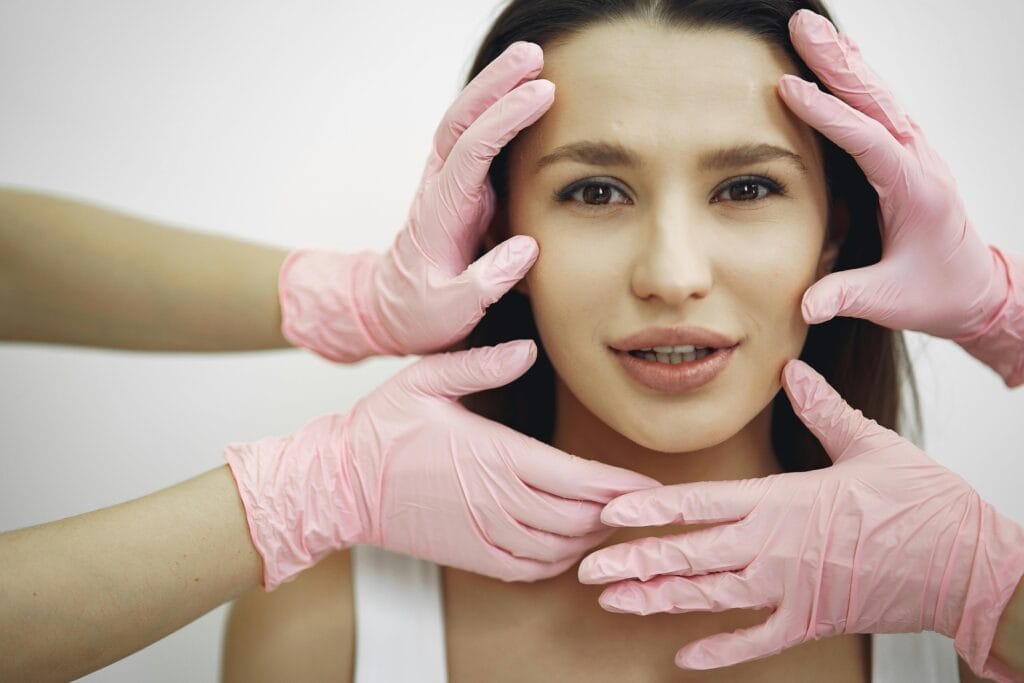
Menopause triggers a rapid decline in estrogen, causing women to lose roughly 30% of their skin’s collagen within the first five years. This hormonal shift doesn’t just create wrinkles; it leads to thinning hair, brittle nails, and a sharp drop in bone density. While topical serums are helpful, a dermatologist over 60 knows that “aging well” requires addressing these structural gaps from the inside out. By fueling your body with targeted nutrients, you can compensate for hormonal loss and keep your connective tissues resilient.
Staying radiant after 60 is about optimizing your biological environment rather than chasing youth. A dermatologist-approved supplement strategy focuses on the “Big Three”: skin elasticity, hair follicle strength, and skeletal integrity. This approach provides your cells with the raw materials needed to maintain a vibrant, healthy glow from the bone to the surface. Here is the exact post-menopause stack used to rebuild what time and hormones have taken away.
The Menopause “Structural Shift”: Why Supplements Matter
To understand why a dermatologist prioritizes supplements after 60, you have to look at the role of estrogen. Estrogen is essentially the “manager” of your body’s repair systems. It signals your fibroblasts to produce collagen and helps your bones retain calcium. When this manager goes on permanent leave during menopause, your body’s repair signals get muffled. This leads to what many call “accelerated aging,” in which the skin suddenly feels drier, and the hair loses its former volume.
Taking a proactive approach with supplements allows you to bypass these muffled signals. By providing the body with high-quality raw materials—like specific collagen peptides, fat-soluble vitamins, and trace minerals—you can maintain a baseline of repair that keeps your tissues “youthful.” This strategy focuses on bioavailability, ensuring that the nutrients you ingest actually reach the target tissues like the dermis and the hair bulb.
| Focus Area | Primary Concern | Supplemental Solution |
| Skin | Collagen loss & dryness | Bioactive Collagen Peptides & Ceramides |
| Hair | Thinning & breakage | Biotin & Saw Palmetto |
| Bones | Bone density decline | Vitamin D3 + K2 & Calcium |
| Energy | Cellular fatigue | CoQ10 & Magnesium |
6 Post-Menopause Supplements for Skin, Hair, and Bones
1. Bioactive Collagen Peptides (The Skin Scaffolding)
The first non-negotiable in this derm’s routine is high-quality collagen. However, not all collagen is created equal. Post-menopause, the goal is to trigger the body’s own collagen production. Doctors recommend looking for “hydrolyzed” or “bioactive” peptides, which are broken down into smaller chains that the gut can easily absorb.
Studies have shown that regular intake of collagen peptides can significantly improve skin elasticity and hydration levels. Because the skin becomes thinner after menopause, collagen acts as an internal “plumper,” filling in the gaps where the scaffolding has started to sag. It also supports the health of the scalp, providing the foundation for healthier hair growth.
2. Vitamin D3 + K2 (The Bone and Skin Duo)
If you are only taking Vitamin D, you are missing half the story. Vitamin D3 helps your body absorb calcium, but Vitamin K2 acts as the “traffic cop” that tells that calcium where to go. Without K2, calcium can end up in your arteries instead of your bones. For a woman over 60, bone density is a top priority to prevent osteoporosis and maintain a strong, upright posture.
From a dermatological perspective, Vitamin D is also essential for skin cell metabolism. It helps the skin’s barrier function stay intact, preventing the “leaky skin” that leads to chronic dryness and sensitivity. Pairing these two ensures that your skeletal system stays dense while your skin stays resilient.
3. Biotin and Silica (The Hair and Nail Strength)
Hair thinning is one of the most distressing parts of the post-menopause transition. As estrogen drops, the “growth phase” of the hair cycle shortens. Biotin, a B-vitamin, is essential for the production of keratin, the protein that makes up your hair and nails.
Silica is another “secret weapon” in this stack. It is a trace mineral that helps strengthen connective tissue and improve hair luster. When combined with Biotin, it creates a “strength stack” that reduces hair shedding and prevents nails from becoming brittle and prone to peeling.
4. Phytoceramides (The Internal Moisturizer)
Many women over 60 complain that no matter how much moisturizer they apply, their skin still feels parched. This is because the skin’s natural lipid barrier thins with age. Phytoceramides are plant-derived lipids that you take orally to replenish your skin’s “seal.”
Think of phytoceramides as a way to “water the plant from the roots.” They help the skin retain its moisture at a cellular level, leading to a smoother, more supple appearance. This “internal moisturizing” effect is often more effective than topical creams because it reaches the deeper layers of the dermis where lotions cannot penetrate.
5. Omega-3 Fatty Acids (The Anti-Inflammatory Shield)
Chronic, low-grade inflammation—often called “inflammaging”—is a major driver of skin aging. Omega-3 fatty acids found in high-quality fish oil are legendary for their ability to dampen this inflammation. For the post-menopause woman, Omega-3s also support heart health and brain function, making them a true multi-tasking supplement.
In the skin, Omega-3s help maintain the fluidity of cell membranes. This allows nutrients to enter the cells and waste products to leave more efficiently. The result is a clearer, more radiant complexion and a reduction in the redness often associated with menopausal skin changes.
6. Magnesium Glycinate (The Sleep and Glow Mineral)
You cannot have radiant skin without quality sleep. Magnesium is involved in over 300 biochemical reactions in the body, including the regulation of the nervous system. Post-menopause, many women struggle with insomnia or “interrupted sleep” due to hot flashes and anxiety.
Magnesium glycinate is a highly absorbable form that promotes relaxation and deep sleep. When you sleep deeply, your body enters its “repair and regenerate” mode, producing the growth hormones necessary for skin and tissue repair. Using magnesium to secure a solid eight hours is perhaps the cheapest and most effective beauty treatment available.
How to Build Your Post-Menopause Stack
Before starting a new regimen, it is crucial to consult with your healthcare provider, especially to check for interactions with any existing medications. This dermatologist-approved routine is built on the principle of synergy—the idea that these supplements work better together than they do alone.
- Consistency is Key: Supplements are not “quick fixes.” It typically takes 60 to 90 days for the cellular turnover to reflect the nutritional changes you’ve made.
- Quality Matters: Look for third-party testing (like NSF or USP) to ensure that what is on the label is actually in the bottle.
- Listen to Your Body: Start with one or two additions rather than the whole stack to see how your system responds.
Related Articles
- Why Women Over 40 Are Turning to Creatine — What Experts Actually Recommend
- Can Creatine and Protein Help Seniors Who Don’t Work Out? The Answer Might Surprise You
- Warning for Women Over 50: The 1 Common Supplement That Accelerates Bone Loss, Says Geriatrician
- New Hope for Alzheimer’s? This Popular Supplement Shows Surprising Promise in Latest Study
- Think Collagen Is Just Hype? These Skin, Hair, and Joint Results Say Otherwise