FREE SHIPPING OVER $50

Forget the ‘No Eating After 8’ Rule: The 10 PM Spanish Habit That Torches Fat While You Sleep

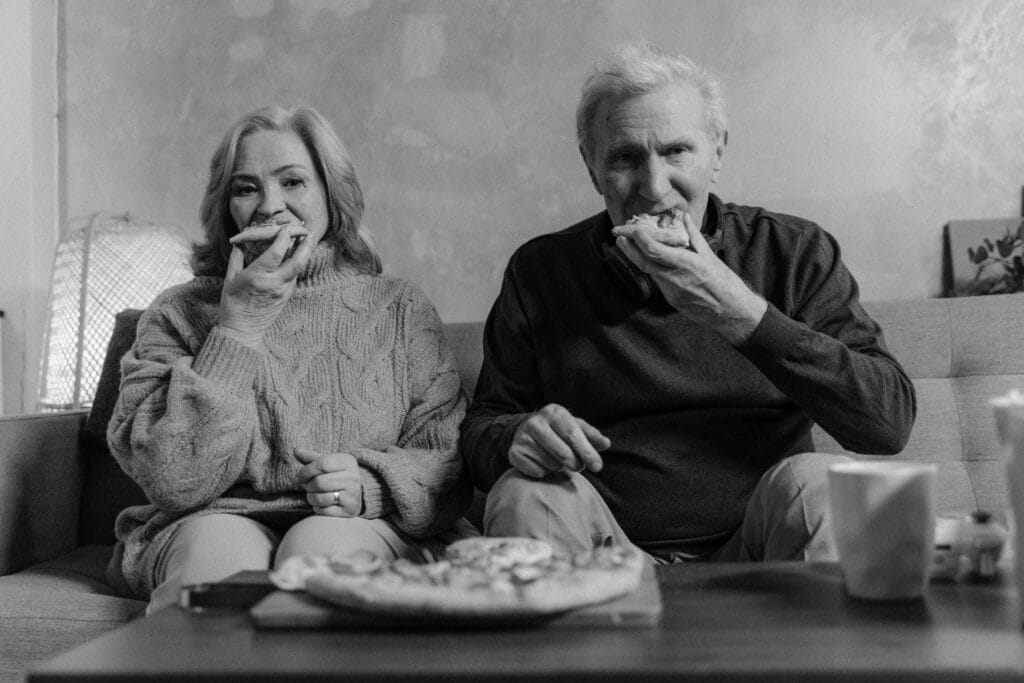
We have all been told the same cautionary tale by every fitness influencer and diet book on the shelf: if you eat after 8:00 PM, those calories magically transform into body fat the moment you close your eyes. The kitchen is supposed to be a “no-go zone” once the sun goes down, and for years, we have white-knuckled our way through evening hunger pangs in the name of weight loss. We’ve been led to believe that our metabolism simply “shuts off” at night, leaving any late-night fuel to sit and stagnate in our systems. It is a stressful, restrictive way to live that often leads to late-night binging because we are simply too hungry to sustain the rules we’ve set for ourselves.
However, if you look across the Atlantic to Spain, you will see a population that completely ignores this rule. In cities like Madrid and Barcelona, the dinner rush doesn’t even begin until 9:00 or 10:00 PM. Tapas bars are crowded with locals enjoying wine and hearty meals well into the midnight hour. Interestingly, despite these “dangerously” late meals, Spain consistently ranks as one of the healthiest countries in the world with significantly lower obesity rates than the United States. This suggests that the time on the clock matters far less than the lifestyle surrounding the meal.
The Science of the “Midnight Metabolism”
The biggest myth in the weight loss industry is that your metabolism has a bedtime. In reality, your body requires a significant amount of energy to keep your heart beating, your lungs breathing, and your brain functioning while you sleep. Furthermore, the “Thermic Effect of Food” (TEF) means that your body actually burns calories just to digest and process what you’ve eaten. When you eat a protein-rich meal late at night, your body has to work hard to break those nutrients down, which can actually keep your metabolic rate slightly elevated while you rest.
Consequently, the “No Eating After 8” rule isn’t based on how your body burns fat; it is a psychological guardrail designed to prevent mindless snacking on junk food. For most people, late-night eating usually involves highly processed chips, cookies, or ice cream while sitting on the couch. By shifting to a structured, intentional late-night dinner, you replace low-quality snacks with high-quality nutrients. This stabilizes your blood sugar and prevents the massive insulin spikes that are the real culprits behind weight gain.
The Spanish Secret: It’s Not Just a Meal, It’s a System
To understand why Spaniards don’t gain weight despite eating at 10:00 PM, we have to look at the structure of their entire day. They don’t just “eat late”; they follow a Mediterranean-style pattern that prioritizes movement and food quality. Transitioning to this lifestyle doesn’t mean you just start eating pizza at midnight; it means adopting the “system” that makes late-night eating work for your biology.
- The Mediterranean Food Quality: A Spanish dinner usually consists of lean proteins like fish or chicken, healthy fats like olive oil, and an abundance of vegetables. These foods are slowly digested, providing a steady stream of amino acids to your muscles while you sleep.
- The “Paseo” Habit: One of the most important aspects of Spanish culture is the “paseo,” or the evening stroll. After finishing a late meal, it is common for families to walk around their neighborhood. This light physical activity helps clear glucose from the bloodstream and kickstarts digestion before they ever lie down.
- The Largest Meal is at Lunch: While they eat dinner late, their largest and most calorie-dense meal is typically lunch (the “comida”). Dinner is often lighter, focusing on nutrients rather than sheer volume.
How Late-Night Eating Stabilizes Cortisol
One of the hidden benefits of the 10:00 PM Spanish habit is its impact on cortisol, the body’s primary stress hormone. When you go to bed on an empty, growling stomach, your body perceives this as a state of stress. In response, it releases cortisol to mobilize stored energy. High evening cortisol levels can interfere with your sleep quality and signal your body to hold onto abdominal fat.
By eating a balanced, late-night meal, you signal to your brain that “all is well.” This lowers your stress response and allows for a deeper, more restorative sleep. Since sleep is the primary time your body releases Growth Hormones—a key player in fat burning and muscle repair—a better night’s sleep directly translates to better weight loss results. When you stop starving yourself at night, you stop fighting your own biology.
Transitioning to the “Late-Bite” Lifestyle
If you want to try the Spanish habit to reset your metabolism, you need to follow a few ground rules to ensure those calories are being burned rather than stored. It is all about the “Late-Bite” strategy, which focuses on nutrient timing and insulin management.
Prioritize Protein and Fiber
The goal of a late-night dinner is to provide “slow-burning” fuel. Focus on a palm-sized portion of protein and two cups of fibrous vegetables. The fiber slows down the absorption of any carbohydrates, ensuring that your insulin levels remain stable. This stability is the “switch” that allows your body to continue burning fat during the night.
Avoid the “Sugar Trap”
The reason late-night eating has a bad reputation in the US is that our evening meals are often followed by sugary desserts. Sugar triggers a massive insulin release, which tells your body to stop burning fat and start storing it. If you follow the Spanish habit, keep the dinner savory. If you need something sweet, stick to a small piece of dark chocolate or a few berries.
Implement the 10-Minute Walk
You don’t need a full gym session after dinner. Borrow the “paseo” concept and commit to a 10-minute walk around your home or neighborhood after your late meal. This simple act can lower the post-meal glucose spike by up to 30%, making a massive difference in how those calories are utilized by your body.
Why This Beats Traditional Fasting for Some
Intermittent fasting is incredibly popular right now, and many people choose to stop eating at 6:00 PM to create a long fasting window. While this works for some, for others, it leads to a “restriction-binge” cycle. They stay disciplined all day only to “fall off the wagon” at 9:00 PM because they are ravenous.
The 10:00 PM Spanish habit offers a psychological “release valve.” When you know you have a delicious, satisfying meal waiting for you late in the evening, you are much less likely to graze on office snacks or high-calorie coffee drinks during the day. It turns your evening into a celebration rather than a test of willpower. For many, this consistency is what finally allows the scale to move after months of plateauing.
Conclusion
The “No Eating After 8” rule is a relic of old-school dieting that ignores how the human body actually functions. You can absolutely enjoy a 10:00 PM dinner and still burn fat while you sleep, provided you focus on protein-rich, Mediterranean-style foods and incorporate a small amount of movement after the meal. This approach removes the guilt and “diet anxiety” that so often leads to failure, replacing it with a sustainable, enjoyable lifestyle that respects your natural hunger cues. Stop watching the clock and start focusing on the fuel—your body will handle the rest.
Related Articles
- Warning: Your Spicy Diet Might Be Ruining Your Gut. Use This “Cooling” Hack to Instantly Reset Your Metabolism
- Stop Tossing Avocado Seeds—Doctors Reveal the Hidden Benefit You’ll Wish You Knew Sooner
- Doctors Reveal 8 Natural Supplements That Calm Acid Reflux Fast
- These 18 Foods Are Quietly Wrecking Your Gut—Doctors Say It’s Worse Than Sugar
- This Gut-Friendly Drink Could Be the Easiest Way to Lose Weight—And Most People Overlook It