FREE SHIPPING OVER $50

Doctors in the 1950s Used This Juice to Cure Stomach Ulcers—Why Did We Stop?

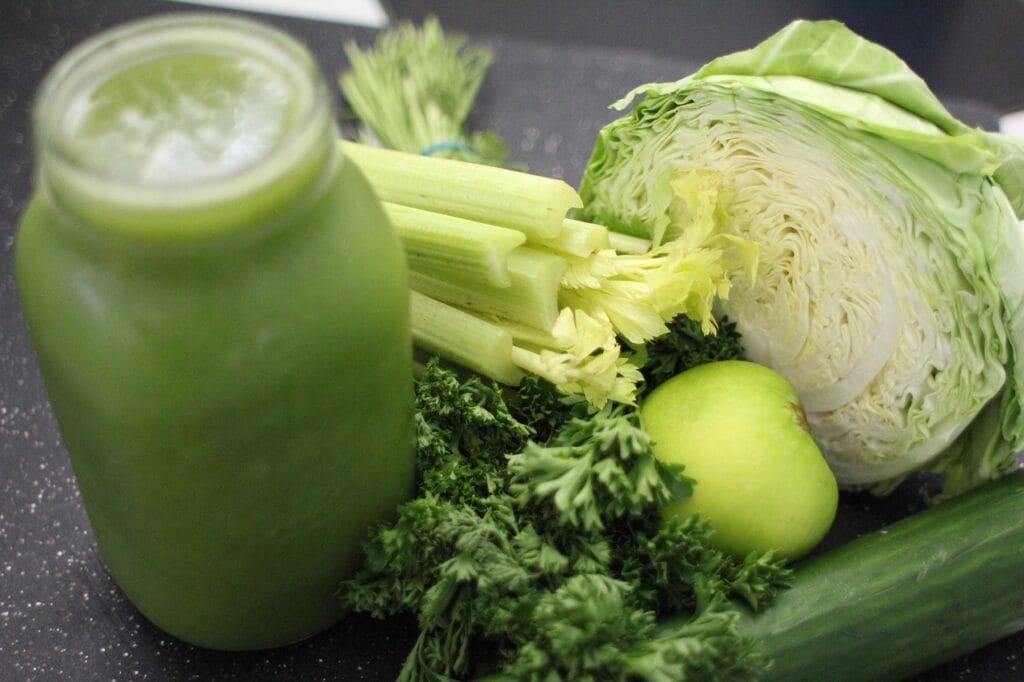
If you were suffering from a painful stomach ulcer in the late 1940s or early 1950s, your doctor might have prescribed something far more effective than the antacids or proton pump inhibitors (PPIs) we use today. It wasn’t a pharmaceutical drug; it was a simple, green juice that you could make in your kitchen.
Specifically, Dr. Garnett Cheney, a professor at Stanford University School of Medicine, made international headlines by curing ulcer patients in an average of just 10 days using nothing but fresh cabbage juice. While modern treatments can take six to eight weeks to provide similar relief, this natural protocol seemed to work like “gut glue.”
So, why did this remarkably effective treatment disappear from the medical spotlight? And more importantly, how can you use this “lost” nutritional science to support your own digestive health today?
The Legend of “Vitamin U”
In his landmark studies, Dr. Cheney identified a specific, unidentified factor in raw cabbage that he named Vitamin U (the “U” stood for Ulcer). Today, we know this compound as S-methylmethionine.
Cheney’s research was staggering. In one clinical trial, he observed 13 patients with peptic ulcers. While the standard hospital treatment at the time took 37 days to heal an ulcer, the patients drinking cabbage juice showed complete healing on X-rays in just 7 to 10 days.
Vitamin U isn’t actually a vitamin in the traditional sense, but a powerful enzyme that protects and repairs the mucous membrane of the stomach and intestines. It provides the raw materials the stomach lining needs to regenerate at an accelerated pace.
Why Did We Stop Using Cabbage Juice?
If the results were so undeniable, you might wonder why your gastroenterologist isn’t handing out juicing recipes. The transition away from cabbage juice as a primary treatment happened for several logical—and some financial—reasons.
1. The Convenience Factor
Drinking a quart of fresh, raw cabbage juice every single day is a commitment. It is pungent, it requires a juicer, and it must be consumed immediately because Vitamin U is highly heat-sensitive and degrades quickly. For most patients, swallowing a pill is simply more convenient than processing a head of cabbage every morning.
2. The Rise of H2 Blockers and PPIs
In the decades following Cheney’s work, the pharmaceutical industry developed drugs like Tagamet, Prilosec, and Nexium. these drugs were easy to mass-produce, easy to prescribe, and highly profitable. Because you cannot patent a cabbage, there was no financial incentive for large-scale clinical trials to keep Vitamin U in the medical textbooks.
3. The Discovery of H. Pylori
In the 1980s, doctors discovered that many ulcers are caused by a bacterium called H. pylori. This shifted the focus of treatment toward antibiotics. While cabbage juice heals the lining, it doesn’t necessarily kill the bacteria as efficiently as a triple-therapy antibiotic regimen.
The Science of How It Works
Cabbage juice doesn’t just “mask” the pain of an ulcer; it fundamentally changes the environment of your gut. It works through three primary mechanisms that are still supported by modern nutritional science.
| Mechanism | How It Helps | Result |
| Mucin Production | Stimulates the gut to produce more protective mucus. | Protects the ulcer from stomach acid. |
| Glutamine Content | Provides the amino acid L-glutamine, the “fuel” for gut cells. | Rapidly repairs the stomach lining. |
| Antioxidant Surge | High levels of Vitamin C and Glucosinolates. | Reduces inflammation and oxidative stress. |
Fresh cabbage juice is also one of the richest sources of Glutamine. This amino acid is the preferred fuel source for the cells lining your digestive tract. When you flood your system with glutamine, you are essentially giving your stomach the building blocks it needs to “re-pave” the damaged areas.
The 10-Day Protocol: How to Do It Right
If you want to replicate the success of the 1950s studies, you cannot simply buy a bottle of pasteurized cabbage juice from the store. The active “Vitamin U” is destroyed by heat. You must make it fresh and follow the specific protocol Dr. Cheney used.
Choosing the Right Cabbage
While green cabbage was used in the original studies, Red Cabbage may actually be superior. Red cabbage contains significantly more Vitamin C and anthocyanins (antioxidants) that help lower inflammation. Both work, but red cabbage might give you an extra boost in healing power.
The Daily Routine
- Quantity: Aim for 32 ounces (one quart) of juice per day.
- Frequency: Divide this into four 8-ounce servings throughout the day.
- Timing: Drink each serving on an empty stomach, about 20 minutes before meals.
- Freshness: Juice it and drink it immediately. If you leave it in the fridge, the Vitamin U begins to break down.
Making It Palatable
Let’s be honest: straight cabbage juice is an acquired taste. To make the 10-day journey easier, you can mix it with a small amount of celery or carrot juice. Celery provides electrolytes that aid in hydration, while carrots provide a touch of sweetness without adding too much sugar.
What to Expect During the 10 Days
Most people in the studies reported a significant reduction in “burning” pain within the first 48 to 72 hours. However, it is vital to complete the full 10 days to ensure the tissue has fully regenerated.
- Days 1-3: You may experience some bloating or gas as your gut microbiome adjusts. This is normal.
- Days 4-7: The acute “gnawing” pain of the ulcer typically subsides.
- Days 8-10: The stomach lining strengthens, and your tolerance for other foods usually improves.
Important Safety Considerations
While cabbage juice is a food-based remedy, you should always consult with your doctor before starting any intensive protocol, especially if you have a history of thyroid issues. Cabbage is a goitrogen, which means in very large quantities, it can interfere with iodine uptake.
Furthermore, if your ulcer is caused by a serious H. pylori infection, cabbage juice should be used as a complementary therapy alongside the treatment plan your doctor provides. It is excellent for healing the damage, but you may still need medical intervention to clear the infection.
Other Benefits of Cabbage Juice
Even if you don’t have a confirmed ulcer, the “Vitamin U” protocol can be a game-changer for other digestive issues. It has been used successfully by many people to manage:
- Gastritis: Chronic inflammation of the stomach lining.
- GERD: Acid reflux, as it helps strengthen the lower esophageal sphincter.
- Leaky Gut: By providing the glutamine needed to seal the junctions in the small intestine.
Because cabbage is also a cruciferous vegetable, it supports liver detoxification. By healing your gut, you are also indirectly supporting your skin health and immune system, as about 70% of your immune cells reside in your digestive tract.
Related Articles
- The “Almond Trick”: Why Eating 6 Nuts Before Bed Is Better Than Melatonin
- The “Cardio Trap”: Why Your Treadmill is Stalling Your Fat Loss (And the Superfood That Fixes It)
- Forget Calorie Counting: The 14-Day ‘Metabolic Switch’ That Finally Melted My Stubborn Belly Fat
- The Ultimate Seed Showdown: I Ate Hemp Seeds vs Chia Seeds For 30 Days—The Weight Loss Winner SHOCKED My Doctor
- Why Authentic Pasta Doesn’t Wreck Your Blood Sugar (Unlike the Carbs Most Americans Eat)