FREE SHIPPING OVER $50
Dermatologists Reveal: The Vitamin C Serum That Actually Works (L-Ascorbic Acid vs Derivatives)

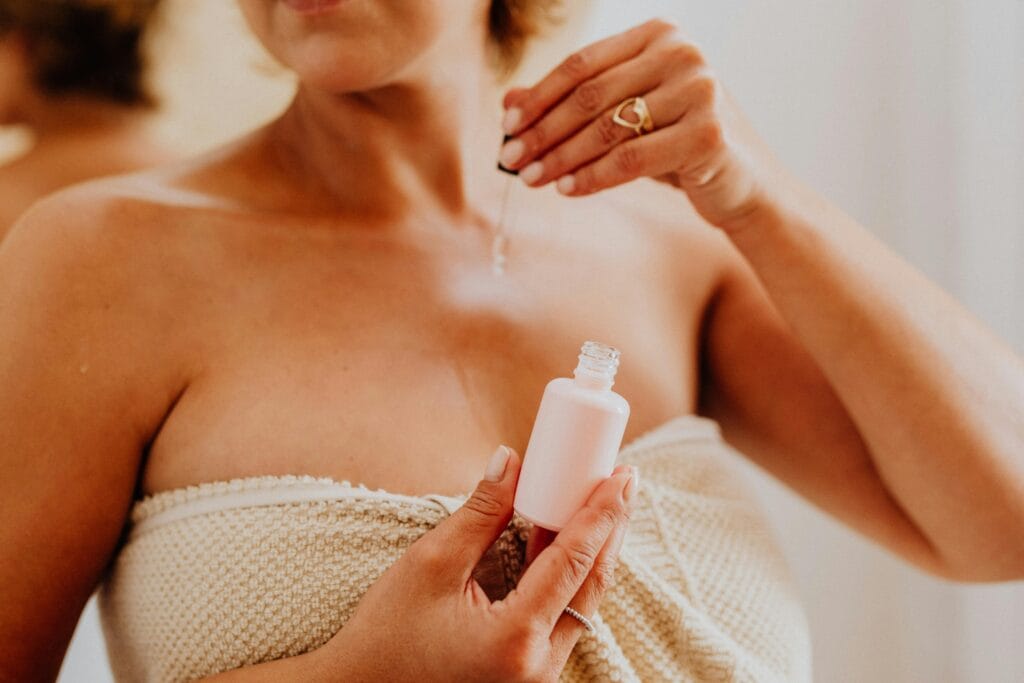
When it comes to the complex world of skincare, few ingredients receive as much universal praise—or cause as much confusion—as Vitamin C. You see serums promising brighter skin, faded dark spots, and intense collagen production on every shelf. Yet, many people feel frustrated after spending a fortune on a bottle that oxidizes and turns brown before they see any real results. The harsh truth dermatologists repeatedly warn about is that not all Vitamin C is created equal, and choosing the wrong type means you are essentially applying expensive, ineffective water to your face.
The central conflict in skincare science boils down to the formulation: L-Ascorbic Acid (LAA) versus its various stable derivatives. One is the biological powerhouse that has decades of clinical science backing its ability to truly transform skin, but it’s notoriously unstable. The others are stable and user-friendly, but often require your skin to perform a difficult chemical conversion to unlock the real benefits. Dermatologists reveal that understanding this difference is the key to finding the Vitamin C serum that actually works and delivers the promised anti-aging and brightening results.
Understanding the Vitamin C Power Dynamic
To choose the Vitamin C serum that works for you, you must understand the two main forms and why the active ingredient faces such stability challenges.
L-Ascorbic Acid (LAA): The Gold Standard
LAA is the biologically active form of Vitamin C. It is the exact molecule your skin recognizes and uses to build collagen, neutralize free radicals, and inhibit the enzyme responsible for producing melanin (pigmentation).
- The Pros: It is fast-acting, highly potent, and has the most extensive clinical data proving its efficacy for reducing wrinkles and dark spots.
- The Cons (The Stability Problem): LAA is highly reactive. It oxidizes rapidly when exposed to air, water, heat, or light, turning into dehydroascorbic acid (DHA), which is ineffective and can actually turn your skin a slight orange tint. This oxidation often renders the serum useless within weeks of opening.
Vitamin C Derivatives: The Stable Contenders
Derivatives are modified molecules of Vitamin C that are chemically stable, meaning they last longer on the shelf and are less irritating to the skin.
- The Common Types: These include Ascorbyl Glucoside, Magnesium Ascorbyl Phosphate (MAP), Tetrahexyldecyl Ascorbate (THDA), and Sodium Ascorbyl Phosphate (SAP).
- The Catch: For a derivative to work, your skin’s enzymes must first break it down and convert it back into the active L-Ascorbic Acid. This conversion process is slow, inefficient, and the final concentration of LAA reaching the cells is often a mystery.
The Verdict: Which Serum Actually Works?
Dermatologists consistently agree: L-Ascorbic Acid is the Vitamin C serum that actually works—but only under specific, rigorous formulation conditions. The effectiveness of the derivatives is highly variable.
LAA Works, But Only with the “Golden Triangle”
For L-Ascorbic Acid to maintain its potency and successfully penetrate the skin barrier, it requires three specific formulation conditions, often called the “Golden Triangle.”
- Low pH (Acidic): LAA must be formulated at a pH of 3.5 or lower. This acidic environment allows the LAA molecule to exist in the correct form for optimal absorption into the skin.
- Specific Concentration: Studies confirm that the sweet spot for LAA efficacy is between 10% and 20%. Below 8% offers minimal anti-aging benefits; above 20% dramatically increases irritation without increasing efficacy.
- FErULIC Acid + Vitamin E: To prevent the LAA from oxidizing, it must be paired with Ferulic Acid and Vitamin E. Ferulic Acid acts as a powerful stabilizing antioxidant, while Vitamin E works synergistically with Vitamin C to provide four times the photoprotection against UV damage.
Derivatives: A Trade-Off for Sensitive Skin
While derivatives rarely achieve the immediate, dramatic results of a well-formulated LAA serum, they are not useless.
- THDA (Tetrahexyldecyl Ascorbate): This is often cited as the best of the derivatives. Because it is oil-soluble, it penetrates the skin barrier more easily (which is largely made of fat). It’s excellent for individuals with dry or highly sensitive skin who cannot tolerate the acidity of LAA.
- SAP (Sodium Ascorbyl Phosphate): This derivative has shown particular promise in treating acne due to its antimicrobial properties, making it a good choice for those battling breakouts and early anti-aging concerns simultaneously.
The Dermatologist’s Guide to Choosing the Right Serum
Since LAA is the scientific champion, your choice should begin there, moving to derivatives only if irritation is a major issue.
Rule 1: Prioritize the Packaging
The most immediate threat to LAA is air and light.
- Action: Never buy an LAA serum in a clear bottle or one with a dropper. The constant exposure to air from the dropper will speed up oxidation. Dermatologists insist on opaque, airtight pumps or single-use capsules to preserve potency.
Rule 2: Note the Color (The Freshness Test)
The color of your serum is the clearest indicator of its current effectiveness.
- Action: A fresh LAA serum should be clear or very pale straw yellow. If the liquid inside the bottle has turned deep yellow, orange, or brown, it has oxidized. Throw out the pill (or serum, in this case). It’s ineffective and can actually generate free radicals on your skin.
Rule 3: The Synergy Checklist
When evaluating an LAA serum, don’t just look for “Vitamin C.” Look for the essential partners.
- Checklist: Does the ingredient list include Ferulic Acid? Does it include Vitamin E (Tocopherol)? If either is missing, the serum will oxidize quickly and is not worth the investment.
Maximizing Vitamin C Absorption
Even the best serum needs the right environment to thrive. These two skincare habits boost the effectiveness of your Vitamin C.
1. Pairing with Sunscreen (The Longevity Shield)
Vitamin C is a preventative antioxidant that works best when fighting future damage.
- Action: Apply your Vitamin C serum every morning to clean, dry skin, and always follow it with a broad-spectrum sunscreen of at least SPF 30. Dermatologists consider this the most essential anti-aging combination. The Vitamin C neutralizes the free radicals that get through the sunscreen’s filter, providing ultimate protection.
2. The Exfoliation Foundation
Dead skin cells can physically block the penetration of active ingredients.
- Action: Integrate gentle chemical exfoliation (like Alpha Hydroxy Acids or Beta Hydroxy Acids) two to three times per week. By regularly clearing the top layer of dead skin, you create a clear pathway for the Vitamin C to reach the deeper layers where collagen production occurs. This is especially important for the larger, more complex derivative molecules to penetrate effectively.
Conclusion
Dermatologists reveal that L-Ascorbic Acid, when correctly formulated with Ferulic Acid and Vitamin E in opaque, air-tight packaging, is unequivocally the Vitamin C serum that actually works to build collagen and erase dark spots. While stable derivatives offer a non-irritating alternative for sensitive skin, they are a compromise on potency. Your skincare routine should prioritize a high-quality, scientifically correct LAA serum applied in the morning beneath sunscreen. By following the “Golden Triangle” checklist, you can stop wasting money on ineffective products and finally unlock the immense anti-aging power of Vitamin C.
Related Articles
- Stop Wasting Money: Dermatologists Say This One Bedroom Mistake Ages Your Face 10 Years Overnight
- Scientists Found a Natural ‘Kill Switch’ for Aging—Here’s How to Activate It
- He Couldn’t Climb Stairs at 60—6 Months of Bedroom Exercises Left Doctors Speechless
- Sick of Chronic Migraines? These 6 Yoga Moves + Breathwork Could Be Your Natural Relief
- Want to Look and Feel 17 Years Younger? These 15 Anti-Aging Hacks Are Backed by Science