FREE SHIPPING OVER $50
Dentists Reveal: Is an Electric Toothbrush Really Better—Or Just Hype?

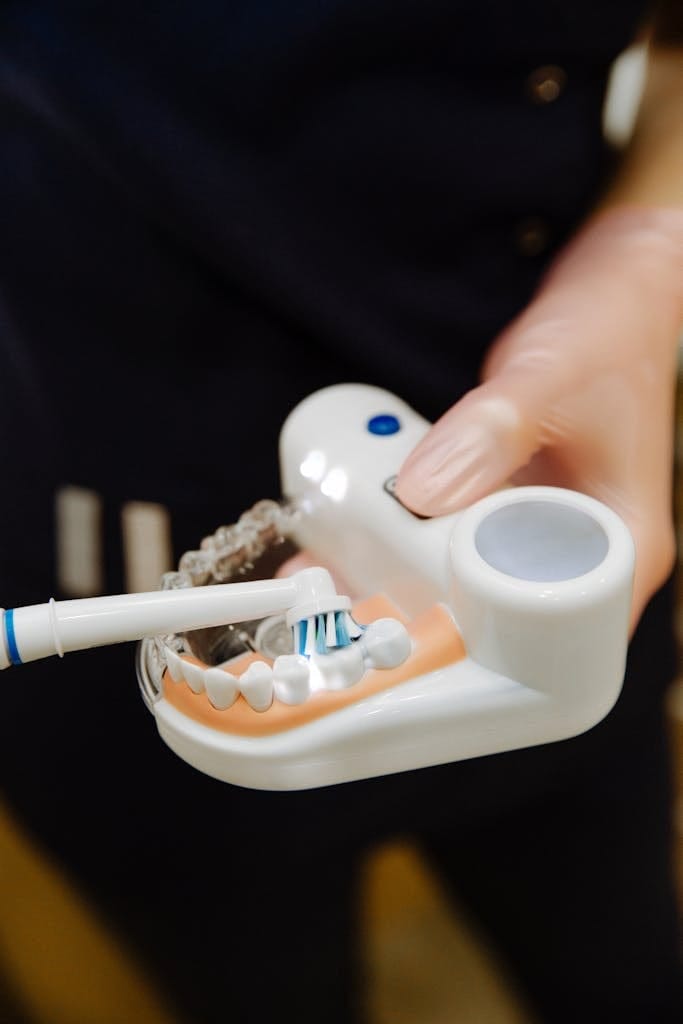
Let’s face it—most of us want a cleaner, brighter, and healthier smile without spending more time brushing. So when electric toothbrushes started flooding the shelves promising to revolutionize oral hygiene, many of us made the switch. But do electric toothbrushes really offer better oral health benefits—or are they just clever marketing?
We spoke to dental professionals, sifted through peer-reviewed studies, and examined the real pros and cons to finally answer the big question: Are electric toothbrushes worth it, or is the hype bigger than the results?
Whether you’re still using a manual brush or already invested in a high-tech model, here’s what you need to know.
FAQs
Are electric toothbrushes actually worth the money, or should I just buy a $4 manual brush?
For most people, yes—but not for everyone. Here’s the honest math: a mid-range electric brush costs $30-50 upfront, and replacement heads run about $30-40 per year. That’s roughly $60-90 in year one, versus $12-16 per year for manual brushes. What you get for that premium is measurable: the Cochrane review found oscillating-rotating brushes remove 21% more plaque and reduce gingivitis by 11% after three months. If you have gum disease, braces, implants, arthritis, or a history of brushing too hard, that premium pays for itself many times over in avoided dental work. If you have excellent technique, no dental issues, and a dentist who compliments your brushing, a manual brush is genuinely fine—you’d be paying for convenience, not outcomes.
What are the real pros and cons of electric toothbrushes—no marketing spin?
Pros: 1) Removes 21% more plaque and 11% more gingivitis than manual (Cochrane review). 2) Built-in two-minute timers fix the most common brushing mistake. 3) Pressure sensors prevent enamel damage from over-brushing. 4) Essential for braces, implants, and anyone with limited dexterity. 5) Makes proper technique automatic rather than skill-dependent. Cons: 1) Costs 5-15x more over five years than manual. 2) Requires charging, which is a hassle for frequent travelers. 3) Replacement heads are expensive and easy to forget to swap. 4) Can give a false sense of security—users sometimes brush less thoroughly because they assume the brush is doing all the work. 5) No benefit if your technique is already excellent. The honest verdict: electric brushes raise your floor, but they don’t raise your ceiling.
How much better is an electric toothbrush, really—is it a small difference or a big one?
It’s a moderate, measurable difference—not a dramatic one. The headline numbers from the Cochrane Oral Health Group: 21% more plaque removed and 11% less gingivitis after three months compared to manual brushing. In practical terms, that’s the difference between your dentist saying “there’s a little buildup here” versus “everything looks great.” Where electric brushes pull dramatically ahead is in consistency: manual brushing quality varies wildly day to day depending on your energy, technique, and focus, while an electric brush delivers the same 6,000-30,000 strokes per minute whether you’re tired or not. So the honest answer is: modest average improvement, but much smaller variance. If you’re already a great brusher, expect a small gain. If you’re average or inconsistent, expect a noticeable one.
Is a battery-powered toothbrush worth it if I’m a beginner who brushes twice a day—and does the type matter?
Yes, but choose your type carefully—this is where beginners get misled. There are three categories: 1) Disposable battery brushes ($8-15) — these are barely better than manual and not worth it; the motor is too weak to matter. 2) Rechargeable sonic brushes (Philips Sonicare-style) — vibrate at 30,000+ strokes per minute; excellent if you tend to brush too hard. 3) Rechargeable oscillating-rotating brushes (Oral-B-style) — physically rotate and oscillate; these have the strongest evidence base, including the Cochrane data on plaque and gingivitis.
What’s the Difference Between a Manual and Electric Toothbrush?
Technology and Motion:
Manual toothbrushes rely entirely on your brushing technique—how well you angle the brush, the pressure you apply, and how long you brush. In contrast, electric toothbrushes use rotating, oscillating, or vibrating heads to provide consistent, rapid motion that helps dislodge plaque with minimal effort.
Speed and Efficiency:
The average person makes about 300 strokes per minute with a manual toothbrush. An electric toothbrush? It can deliver anywhere from 6,000 to 30,000 strokes per minute depending on the model. That’s a major difference in how much plaque can be removed in a short time.
What the Science Says About Electric Toothbrushes
- Plaque Removal:
According to a comprehensive review by the Cochrane Oral Health Group, electric toothbrushes (especially oscillating-rotating models) remove 21% more plaque and 11% more gingivitis after three months compared to manual toothbrushes. - Gum Health:
Several studies show that electric toothbrush users experience less gum bleeding and inflammation—especially important for people with gingivitis or periodontitis. - Consistency and Technique:
One of the biggest advantages of electric toothbrushes is consistency. Many models come with built-in timers, pressure sensors, and even app-based coaching, helping users maintain proper technique. Manual brushes, on the other hand, are fully dependent on the user’s discipline and skill.
When an Electric Toothbrush Might Be Better
- You Have Braces or Dental Implants:
Electric brushes can reach around brackets and wires more easily, removing trapped food and plaque more effectively. - You Struggle With Dexterity:
If you have arthritis or mobility challenges, the powered movement of an electric toothbrush makes it much easier to clean thoroughly. - You Tend to Brush Too Hard:
Many electric models feature pressure sensors that alert you when you’re brushing too aggressively, protecting your enamel and gums. - You Skip the Two-Minute Rule:
Most electric toothbrushes have built-in timers that guide you to brush for the full two minutes, something manual users often fall short on.
When a Manual Toothbrush Is Just Fine
- You Have Excellent Technique:
If you’ve been commended by your dentist for great brushing and flossing, and you maintain a rigorous routine, you may not need an electric toothbrush. - You’re Traveling Frequently:
Manual brushes are light, compact, and don’t require charging—making them ideal for travel or emergencies. - Budget Matters:
Electric toothbrushes can be expensive, especially if they come with replacement heads and tech features. Manual brushes cost just a few dollars and can be just as effective when used correctly.
Common Myths About Electric Toothbrushes
“They Can Damage Your Teeth”:
Not true—if used properly. In fact, electric toothbrushes with pressure sensors prevent excessive force, which is often the real culprit behind enamel wear.
“They’re Only for Lazy People”:
Another myth. Electric toothbrushes are not about laziness—they’re about enhancing technique and consistency. In fact, they’re often recommended for people who are serious about oral hygiene.
“Manual Brushes Are Obsolete”:
False. Dentists still recommend manual toothbrushes, especially when used with the right technique. They’re not outdated; they’re just different.
What Dentists Actually Recommend
While every dentist may have their preferences, most agree on one thing: It’s less about the toothbrush, and more about how you use it. That said, many dental professionals now lean toward electric toothbrushes for the general population due to their ease of use, built-in features, and proven benefits.
Choosing the Right Electric Toothbrush (If You Decide to Switch)
If you’re ready to make the switch, here are the key features to look for:
- Oscillating-Rotating or Sonic Technology:
These have the most data-backed performance benefits. - Built-In Timer and Pressure Sensor:
These features ensure you’re brushing for the full two minutes and not pressing too hard. - Replaceable Brush Heads:
Make sure you can easily find replacements—this keeps the brush effective and hygienic. - Battery Life and Portability:
If you travel or dislike frequent charging, look for models with long battery life. - Price Point:
You don’t need the most expensive brush on the market. Plenty of mid-range options deliver excellent results without the bells and whistles.
So… Is It Worth the Upgrade?
If you’re looking to level up your oral hygiene, improve consistency, or tackle specific issues like plaque buildup or gum bleeding, an electric toothbrush can absolutely help. It’s especially useful if you have trouble maintaining good brushing habits or want a little extra support through smart features.
But if you’re a disciplined brusher with great technique and no current dental issues, sticking with a good-quality manual toothbrush is perfectly fine—just make sure you’re replacing it every three months and brushing properly.
The Real Cost Breakdown: Is the Upgrade Worth It?
Let’s put actual numbers to the “worth it” question, because that’s what most people are really asking.
| Manual Brush | Mid-Range Electric | |
|---|---|---|
| Upfront cost | $4 | $40-70 |
| Annual replacement | $12-16 | $30-40 (heads) |
| 5-year total | $60-80 | $190-270 |
So you’re paying roughly $150-200 more over five years—about $2.50-3.30 per month. For that, you get 21% better plaque removal, 11% less gingivitis, a built-in timer, and a pressure sensor that protects your enamel.
Is that worth it? If you have any gum issues, braces, implants, or trouble with technique—yes, easily. Dental work costs far more than $200. If your dentist consistently praises your brushing and you have no issues, a manual brush remains a perfectly legitimate choice, and the $2-3 per month is optional convenience rather than medical necessity.
Related Articles
- I Asked 5 Cosmetic Dentists Which Toothpastes Work Best for Whitening—Did Yours Make the List?
- How Your Oral Health Changes as You Age and What to Do to Stay Healthy
- 8 Proven Ways to Straighten Your Teeth Without Braces (Dentists Swear by #3)
- Dentists Say These 10 Habits Can Save Your Gums—Are You Doing Them?
- NOBS Toothpaste Review: Honest Opinion on This Innovative Dental Solution