FREE SHIPPING OVER $50

Can Probiotics Really Calm Acid Reflux? The Gut Health Fix You Didn’t Expect

Living with acid reflux feels like a constant battle against your own chest. Whether it is that sharp, burning sensation after a spicy meal or the annoying “lump in the throat” feeling that keeps you up at night, heartburn is a massive disruptor. Most people reach for a bottle of chalky antacids or a prescription pill to shut down acid production. However, a growing body of research suggests we might be looking at the wrong end of the problem.
While traditional treatments focus on neutralizing stomach acid, the real “fix” might live in your microbiome. Probiotics—the beneficial bacteria famously found in yogurt and kombucha—are making waves as a potential long-term solution for acid reflux and Gastroesophageal Reflux Disease (GERD). But can these tiny microbes really stop the burn?
Understanding the Acid Reflux Mechanism
To understand how probiotics help, we first have to understand why reflux happens. Most people think they simply have “too much acid.” In reality, the culprit is often a structural or functional issue with the Lower Esophageal Sphincter (LES). The LES is a ring of muscle that acts as a one-way valve. It should open to let food into your stomach and close tightly to keep acid from splashing back up.
When this valve becomes weak or relaxes at the wrong time, acid escapes. Several factors contribute to this, including abdominal pressure, certain foods, and—most importantly—slow digestion. If food sits in your stomach for too long, it creates pressure that forces the LES open. This is where gut health and probiotics enter the conversation.
Can Probiotics Actually Stop Heartburn?
The short answer is yes, but it is not an overnight miracle. Unlike an antacid that neutralizes acid in seconds, probiotics work by changing the environment of your digestive system. Research published in various medical journals suggests that specific strains of bacteria can reduce the frequency of reflux symptoms.
Probiotics influence acid reflux in three primary ways:
- Improving Motility: They help the muscles in your digestive tract move food along at the right speed.
- Reducing Inflammation: Chronic reflux can inflame the lining of the esophagus. Certain probiotics secrete anti-inflammatory compounds that help the gut lining heal.
- Competing with Harmful Bacteria: Overgrowth of “bad” bacteria can cause fermentation in the stomach, leading to gas that triggers reflux. Probiotics keep these populations in check.
Top Probiotic Strains for Acid Reflux Relief
Not all probiotics are created equal. If you grab a random bottle off the shelf, you might not see results. For acid reflux, you want to look for specific strains that have been studied for their impact on upper GI health and gastric emptying.
Lactobacillus acidophilus
This is one of the most common strains and for a good reason. It thrives in the acidic environment of the stomach and helps maintain a balanced pH level. It is particularly effective at reducing the bloating that often precedes a reflux episode.
Bifidobacterium lactis
Known for improving overall digestion and “transit time,” this strain ensures that food moves swiftly through the colon. By preventing backups lower down in the system, it reduces the pressure that leads to acid splashing into the esophagus.
Lactobacillus reuteri
This specific strain has shown promise in reducing the production of gas-producing bacteria. Some studies suggest it can also help strengthen the mucosal barrier of the stomach, providing an extra layer of protection against acid damage.
Probiotics vs. Conventional Treatments
Many people find themselves stuck in a cycle of taking Proton Pump Inhibitors (PPIs). While PPIs are effective at stopping acid, they can cause long-term issues like nutrient malabsorption or further gut dysbiosis. Probiotics offer a different approach.
| Feature | Probiotics | Antacids/PPIs |
| Speed of Action | Slow (Days to Weeks) | Fast (Minutes to Hours) |
| Primary Goal | Fix the root cause of digestion | Stop acid production/Neutralize acid |
| Gut Impact | Improves bacterial balance | Can cause bacterial overgrowth |
| Long-term Use | Generally safe and beneficial | Potential risk of bone density loss |
| Nutrient Absorption | Enhances absorption | Can hinder B12 and Magnesium |
The “SIBO” Warning: When Probiotics Might Fail
It is important to acknowledge that probiotics aren’t a “one-size-fits-all” cure. In some cases, people with acid reflux also suffer from Small Intestinal Bacterial Overgrowth (SIBO). If you have SIBO, you have too many bacteria in your small intestine, where they don’t belong.
In this specific scenario, adding more bacteria (even the “good” kind) can actually increase gas and worsen reflux symptoms. If you find that taking probiotics makes you feel significantly more bloated or increases your heartburn, you should stop and consult a professional. You may need to clear the overgrowth before you can successfully repopulate your gut with probiotics.
How to Integrate Probiotics for Maximum Relief
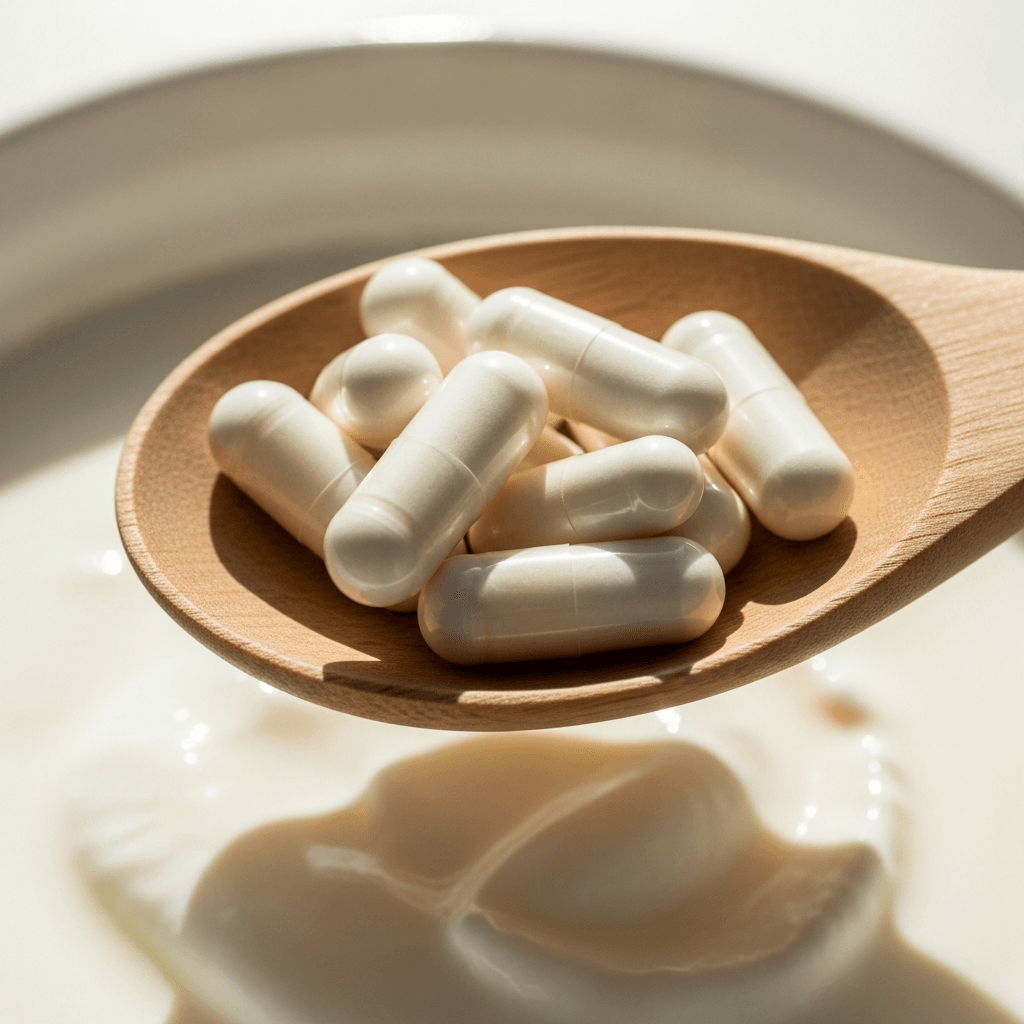
If you are ready to try the probiotic route, consistency is your best friend. You cannot take one capsule and expect your GERD to vanish. It takes time for these bacteria to colonize and start influencing your digestive speed.
Choose a High CFU Count
Look for a supplement with at least 10 billion to 50 billion CFUs (Colony Forming Units). This ensures that a significant number of bacteria survive the trip through your stomach acid to reach the intestines.
Timing is Everything
Most experts recommend taking probiotics on an empty stomach, either 30 minutes before breakfast or right before bed. This allows the bacteria to move through the stomach quickly without getting caught in a “digestive storm” of food and high acid.
Don’t Forget the Prebiotics
Bacteria need to eat. Prebiotics are types of fiber (found in garlic, onions, bananas, and asparagus) that feed your probiotics. Without prebiotic fiber, your new “good” bacteria might not survive long enough to make a difference.
Beyond the Pill: Probiotic-Rich Foods
If you prefer to get your nutrients from whole foods, you can easily increase your probiotic intake through your diet. However, be cautious with fermented foods if you have active reflux. Some fermented items are highly acidic (like sauerkraut) and might trigger symptoms in the short term.
- Low-Acid Yogurt: Look for plain, unsweetened Greek yogurt with “live and active cultures.”
- Kefir: This fermented milk drink is often better tolerated than milk and contains a wider variety of bacterial strains than yogurt.
- Tempeh: A fermented soy product that is high in protein and very gentle on the stomach.
- Miso: While salty, a mild miso soup can provide a soothing dose of beneficial bacteria.
Related Articles
- The Liver Betrayal: 12 “Healthy” Supplements That Are Secretly Toxic (Hepatologist Warning)
- Doctor Reveals: The ONE Toxic Ingredient in US Vitamins That European Food BANS (And Why I Felt Better Instantly)
- Doctors Reveal 8 Natural Supplements That Calm Acid Reflux Fast
- The Breakthrough Longevity Supplement Everyone Will Be Talking About in 2026
- The Silent Supplement Transforming Gut Health, Muscle Recovery, and Brain Power