FREE SHIPPING OVER $50

Are You Dehydrated? Take This 5-Second Skin Test, Says a Doctor

We’ve all heard the advice: “Drink more water.” But how do you know if you’re actually dehydrated? Sure, you might feel thirsty or notice your lips are dry, but what if there was a quicker, more reliable way to check? According to doctors, there is—and it takes just 5 seconds.
In this article, we’ll walk you through the 5-second skin test to check for dehydration, explain why it works, and share practical tips to stay hydrated. Whether you’re an athlete, a busy parent, or just someone who wants to feel their best, this simple test could be a game-changer for your health.
FAQs
Where exactly should I pinch to test for dehydration—and does the location change the result?
The back of the hand is the most popular spot, but it’s actually the least accurate. Here’s where doctors pinch instead, ranked by reliability:
Sternum (chest bone) — the most validated location in clinical settings, because the skin there is thin and less affected by sun damage or age.
Forehead — quick and easy, commonly used in infants.
Abdomen — reliable in children and elderly patients.
Lower arm or inner thigh — good for adults who have sun-damaged hands.
Back of the hand — convenient, but the skin here loses elasticity with age and sun exposure, so it produces more false positives.
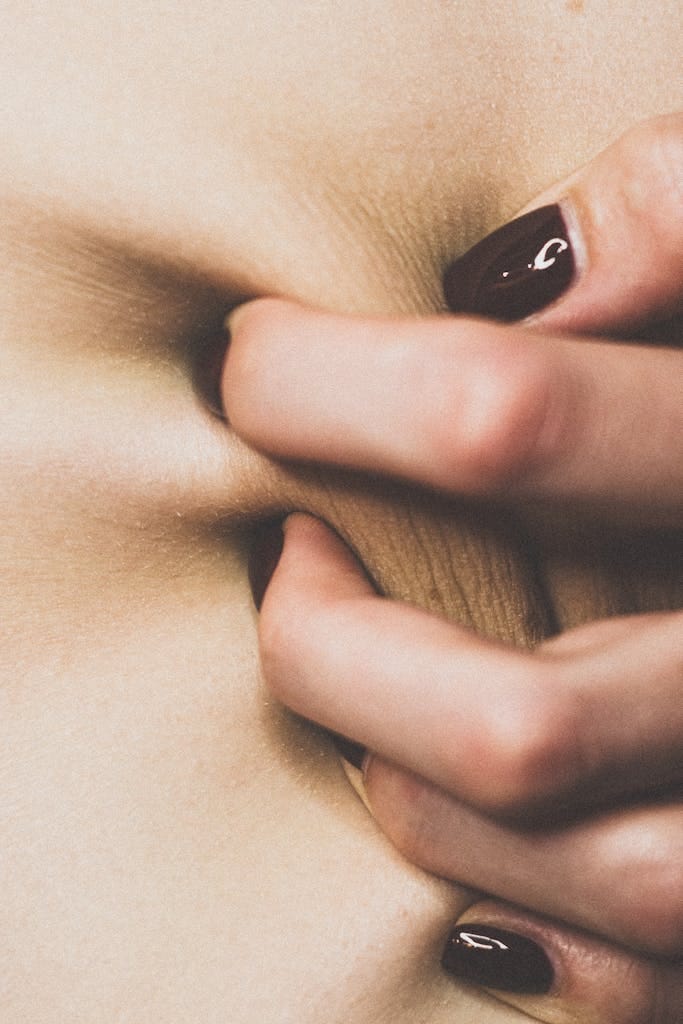
Whichever spot you choose, use the same one each time so you’re comparing like with like. Pinch gently with two fingers — not hard enough to hurt — hold for 5 seconds, release, and watch how fast it flattens.
Is the skin pinch test actually accurate, or can it be misleading?
This is the most important thing to understand: the skin turgor test is unreliable for detecting mild dehydration in healthy adults. Here’s the honest picture:
In infants and the elderly, it’s genuinely useful — their skin elasticity responds quickly to fluid changes.
In healthy adults, skin turgor doesn’t noticeably change until you’ve lost roughly 5-10% of your body weight in fluid — which is already moderate-to-severe dehydration.
Age, sun damage, and genetics all reduce skin elasticity independently of hydration, producing false positives.
So if your skin snaps back quickly, that’s reassuring — but a slow return doesn’t automatically mean you’re dehydrated. It could just mean you’re over 40 or spent a lot of time in the sun. Treat this test as one data point, not a diagnosis, and cross-check with urine color and how you actually feel.
What other at-home tests can confirm dehydration—and what do dry lips really tell you?
Three tests are more reliable than skin pinching, and you can do them all right now:
Urine color — the most practical daily test. Pale straw yellow means well hydrated; dark amber or honey-colored means drink up. Aim for pale, not clear.
Capillary refill — press the tip of your finger or toenail until it turns white, then release. Color should return in under 2 seconds. Slower suggests dehydration or poor circulation.
The thirst + headache combination — mild dehydration typically shows up as thirst plus a dull headache and fatigue before any skin changes occur.
As for lips: dry, cracked lips are a weak indicator. They’re affected by lip-licking, cold weather, mouth breathing, and lip products far more than by hydration. If your lips are dry but your urine is pale, you’re probably fine. If your lips are dry and your urine is dark, that combination is a genuine signal.
Why Hydration Matters
Before we dive into the test, let’s talk about why staying hydrated is so important.
The Role of Water in Your Body
- Regulates Temperature: Water helps your body maintain a stable temperature through sweating and respiration.
- Supports Digestion: It aids in breaking down food and absorbing nutrients.
- Flushes Toxins: Water helps your kidneys remove waste from your body.
- Lubricates Joints: Proper hydration keeps your joints moving smoothly.
- Boosts Energy: Even mild dehydration can leave you feeling tired and sluggish.
Signs of Dehydration
- Thirst
- Dry mouth or lips
- Dark yellow urine
- Fatigue
- Dizziness or headaches
While these signs are helpful, they’re not always immediate. That’s where the 5-second skin test comes in.
The 5-Second Skin Test for Dehydration
This quick and easy test, recommended by doctors, can give you a snapshot of your hydration status.
How to Perform the Test
- Pinch the Skin: Use two fingers to gently pinch the skin on the back of your hand, lower arm, or abdomen.
- Hold for 5 Seconds: Keep the skin pinched for about 5 seconds.
- Release and Observe: Let go and watch how quickly the skin returns to its normal position.
What the Results Mean
- Normal Hydration: If the skin snaps back immediately, you’re likely well-hydrated.
- Mild Dehydration: If the skin takes a few seconds to return to normal, you may be slightly dehydrated.
- Severe Dehydration: If the skin remains tented or takes a long time to flatten, you could be significantly dehydrated and should drink water immediately.
Why It Works
This test, also known as the skin turgor test, measures your skin’s elasticity, which is affected by hydration levels. When you’re dehydrated, your skin loses some of its elasticity, causing it to “tent” or return slowly after being pinched.
The Skin Turgor Test: What It Is and How It Got Its Name
The medical name for the pinch test is skin turgor. “Turgor” comes from the Latin turgere, meaning “to swell” — and in medicine, it refers to the skin’s firmness and elasticity, or its ability to spring back into shape after being stretched. Doctors have used this assessment for decades because it requires no equipment, takes seconds, and can be performed almost anywhere. You’ll sometimes hear it called the skin turgor test, the tissue turgor test, or simply the pinch test.
The mechanism behind it is straightforward. Your skin holds water in the spaces between its cells. When you’re properly hydrated, that fluid keeps the skin plump and elastic, so it snaps back instantly when released. When fluid levels drop, the skin loses some of that internal pressure and becomes less elastic — so it returns more slowly, or in more serious cases, stays briefly “tented” in the shape of your pinch.
Where to Pinch (and Why Location Matters)
Most people pinch the back of the hand because it’s convenient, but that’s actually one of the least reliable spots. Here’s how the common locations rank:
| Location | Reliability | Best For |
|---|---|---|
| Sternum (chest bone) | Highest | Clinical settings, adults |
| Forehead | High | Infants and young children |
| Abdomen | High | Children, elderly patients |
| Lower arm / inner thigh | Moderate | Adults with sun-damaged hands |
| Back of the hand | Lowest | Quick self-checks only |
The hand ranks lowest because it’s the area most exposed to sun, and sun damage degrades skin elasticity independently of how hydrated you are. If you’re testing yourself regularly, pick the same location every time so your results are actually comparable.
An Important Caveat: When This Test Doesn’t Work
The skin turgor test is a legitimate clinical tool, but it’s important to be honest about its limits. In healthy adults, skin elasticity doesn’t reliably change until dehydration becomes moderate to severe—roughly a 5-10% loss of body fluid. That means a normal pinch result doesn’t rule out mild dehydration, which is exactly when you’d want to catch it.
Age is the other variable. Skin loses elasticity naturally over time and with sun exposure, so older adults often show “slow” results even when well hydrated. This test is most reliable in infants, young children, and elderly patients, where fluid shifts show up in the skin faster.
Use the pinch test as one signal among several—pair it with urine color, how you feel, and how much you’ve had to drink. If you’re ever uncertain or symptoms are severe, contact a healthcare provider rather than relying on a self-test.
How to Stay Hydrated
Now that you know how to check for dehydration, let’s talk about how to stay hydrated throughout the day.
1. Drink Water Regularly
- Set Reminders: Use an app or set alarms to remind yourself to drink water.
- Carry a Water Bottle: Keep a reusable water bottle with you to make sipping easy.
2. Eat Hydrating Foods
- Fruits and Vegetables: Foods like watermelon, cucumbers, oranges, and strawberries have high water content.
- Soups and Broths: These can be a great way to increase your fluid intake, especially in colder months.
3. Monitor Your Urine
- Check the Color: Aim for pale yellow urine, which indicates proper hydration. Dark yellow or amber urine is a sign you need more water.
4. Adjust for Activity and Climate
- Exercise: Drink extra water before, during, and after physical activity.
- Hot Weather: Increase your fluid intake in hot or humid conditions to compensate for sweating.
5. Limit Dehydrating Beverages
- Caffeine and Alcohol: Both can increase fluid loss, so balance them with plenty of water.
Common Myths About Hydration
Let’s clear up some misconceptions about staying hydrated.
Myth 1: You Need 8 Glasses of Water a Day
- The Truth: Water needs vary based on factors like age, weight, activity level, and climate. Listen to your body and drink when thirsty.
Myth 2: Thirst is the Only Sign of Dehydration
- The Truth: By the time you feel thirsty, you may already be mildly dehydrated. Use the skin test and other signs to stay ahead of it.
Myth 3: Clear Urine Means You’re Overhydrated
- The Truth: While clear urine can indicate overhydration, it’s rare. Pale yellow is the ideal color.
Related Articles
- Reverse Aging: 15 Proven Ways to Turn Back the Clock by 12 Years for Those Over 50!
- You Won’t Believe These 8 Common Habits Are Harming Your Memory!
- Magnesium Magic: Top Picks for Women Over 40 and Their Health Benefits
- 5 Supplements That Won’t Help You Live Longer (Sorry, But You’re Wasting Your Money)
- The Anti-Aging Supplement You Should Add to Your Coffee—Skin Benefits You’ll Love