FREE SHIPPING OVER $50

These 10 Hydrating Foods Beat Watermelon at Its Own Game, According to Nutritionists (No. 5 Is in Your Fridge)

Chugging eight tall glasses of plain water every single day often feels like an endless chore that leaves you running to the bathroom every thirty minutes while your skin and energy still feel sluggish. Most health-conscious shoppers automatically reach for a wedge of watermelon whenever they want a refreshing, water-rich snack, assuming nothing in the produce aisle comes close to its famous juiciness. Yet, registered nutritionists point out that watermelon is actually about 92 percent water, meaning nearly a dozen everyday staples in your grocery store—and likely sitting in your refrigerator right now—pack an even higher water percentage alongside essential electrolytes, natural sugars, and soluble fiber. When water is locked inside the cellular structure of whole fruits and vegetables, your digestive tract absorbs that moisture slowly and steadily, allowing your cells to hold onto hydration far more effectively than plain tap water ever could. Adding these ten high-water, electrolyte-rich foods to your daily plate upgrades your cellular hydration and keeps your energy steady all day long.
Why Eating Your Water Hydrates Better Than Drinking It Alone
To understand how whole foods beat watermelon—and even plain bottled water—at hydrating your body, you have to examine how fluids enter your bloodstream.
When you gulp down a large bottle of plain water on an empty stomach, a massive surge of fluid hits your digestive tract all at once.
Your kidneys sense that sudden spike in blood volume and rapidly flush much of that water straight into your bladder before your cells can fully absorb it.
By contrast, structured cellular water trapped inside crisp fruits, vegetables, and cultured dairy is bound to dietary fiber, natural amino acids, and trace minerals.
As your digestive enzymes slowly break down plant cell walls, that moisture is released gradually into your bloodstream alongside potassium, magnesium, and sodium.
These essential electrolytes act like microscopic keys that unlock cellular membranes, pulling water directly inside your muscle and brain cells where it actually powers metabolism and prevents fatigue.
“True hydration is not just about how much water you pour into your stomach; it is about how much fluid your cells actually retain. Water-rich foods deliver moisture packaged with the exact electrolytes your body needs to hold onto it.”
At a Glance: Watermelon vs. Top Hydrating Produce Champions
Comparing standard watermelon slices against higher-water produce reveals why expanding your grocery list delivers superior cellular moisture with fewer sugars.
| Hydrating Food | Water Content (%) | Key Electrolytes & Nutrients | Hydration Advantage Over Watermelon |
| Watermelon (Baseline) | 92% | Potassium, lycopene, citrulline | Classic summer hydrator, but higher in natural fruit sugars |
| Cucumber | 96% | Potassium, magnesium, vitamin K | Highest water density in produce; virtually zero calories |
| Iceberg & Romaine Lettuce | 95% to 96% | Potassium, folate, vitamin A | Delivers crisp hydration plus soluble fiber for slow release |
| Celery | 95% | Natural sodium, potassium, folate | Contains natural sodium that helps cells retain fluid balance |
| Zucchini | 95% | Potassium, manganese, vitamin C | Versatile cooked or raw; supports nerve and muscle hydration |
| Bell Peppers | 92% to 94% | Potassium, massive vitamin C dose | Beats watermelon in water percentage while boosting collagen |
The 10 Hydrating Foods That Beat Watermelon
Stocking your kitchen with these ten nutritionist-approved foods delivers superior water content, balanced electrolytes, and lasting cellular hydration:
1. Cucumbers (96% Water)
Cucumbers sit at the very top of the hydration leaderboard, boasting the highest water content of any solid food at roughly 96 percent.
Beyond pure moisture, cucumbers supply potassium and anti-inflammatory plant compounds called cucurbitacins that soothe digestive tissues.
Keep the dark green peel intact whenever you slice them into salads or dip them in hummus, because the skin holds the highest concentration of trace minerals and fiber.
2. Iceberg and Romaine Lettuce (95% to 96% Water)
While trendy dark greens like kale often steal the spotlight, crisp iceberg and romaine lettuce are absolute hydration powerhouses packed with 95 to 96 percent water.
Romaine lettuce edges out iceberg nutritionally by delivering higher doses of folate, potassium, and vitamin A alongside its refreshing crunch.
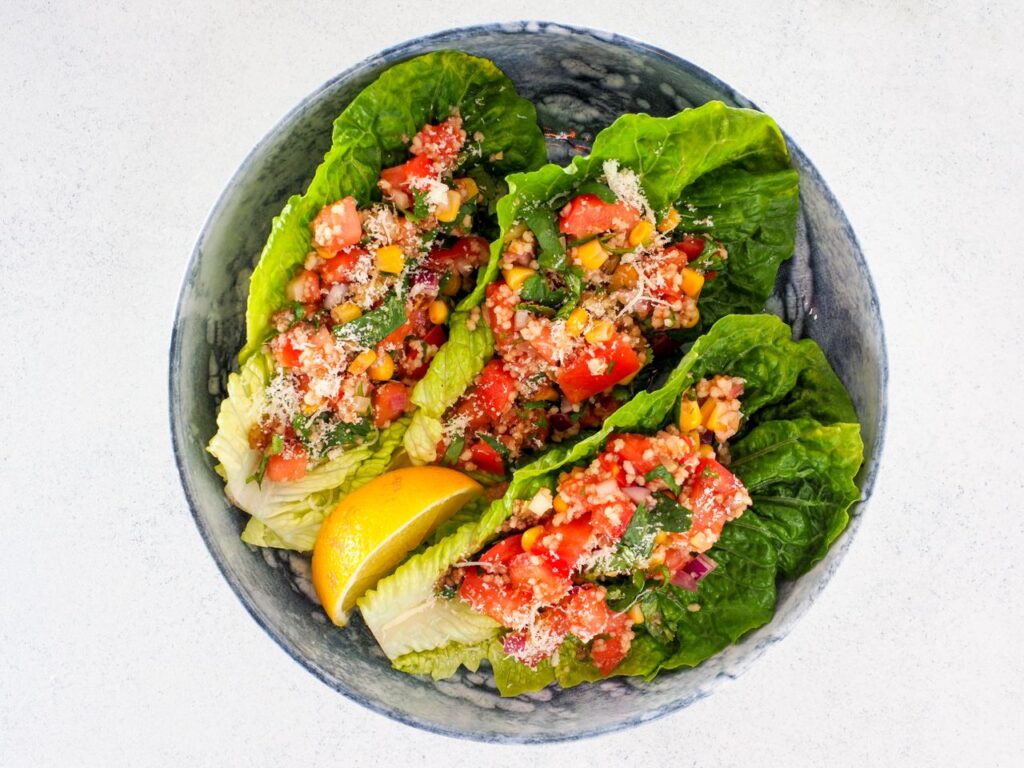
Using large romaine leaves as sturdy wraps for turkey, tuna, or black beans replaces dry bread with an instant burst of cellular moisture.
3. Celery (95% Water)
Each crisp stalk of celery is roughly 95 percent water, making it one of the easiest low-calorie snacks for fighting afternoon dehydration.
What makes celery truly unique is its natural balance of potassium and organic sodium, two electrolytes that work together to regulate fluid balance outside and inside your cells.
Pairing celery stalks with a spoonful of natural almond butter adds healthy fats that slow digestion even further.
4. Radishes (95% Water)
These vibrant, peppery root vegetables clock in at 95 percent water while delivering a crisp texture that wakes up any meal.
Radishes also supply catechin antioxidants and natural sulfur compounds that support liver detoxification and healthy blood flow.
Slice raw radishes thinly over avocado toast, tacos, or grain bowls to add an effortless crunch and an extra dose of hydration.
5. Tomatoes (94% to 95% Water)
Sitting right inside almost every kitchen refrigerator or countertop bowl, fresh tomatoes contain an impressive 94 to 95 percent water—easily beating watermelon’s 92 percent mark.
Just one medium tomato provides roughly half a cup of structured water alongside lycopene and potassium, which protect skin cells from ultraviolet oxidative stress and support healthy blood pressure.
Cherry tomatoes make an effortless desk snack that keeps your fluid levels topped off without requiring any prep work.
6. Zucchini and Summer Squash (95% Water)
Zucchini contains 95 percent water and acts like a culinary sponge that absorbs whatever herbs or healthy oils you pair with it.
Because zucchini is rich in potassium and manganese, eating it regularly helps prevent muscle cramping after warm-weather walks or workouts.
Spiralize raw zucchini into refreshing cold noodle bowls or lightly sauté ribbons in olive oil so the vegetable retains its high moisture content.
7. Bell Peppers (92% to 94% Water)
Green, yellow, and red bell peppers all surpass watermelon in water content, with crisp green peppers reaching nearly 94 percent water.
In addition to quenching cellular thirst, a single bell pepper supplies over 150 percent of your daily vitamin C requirement, which your body uses to build resilient skin and blood vessel walls.
Slice bell peppers into wide strips to scoop up guacamole or Greek yogurt dips instead of eating salty, dehydrating tortilla chips.
8. Cauliflower (92% Water)
Many people mistake dense white cauliflower florets for a dry vegetable, yet cauliflower is actually 92 percent water by weight—matching watermelon while providing far more dietary fiber.
Cauliflower also delivers choline and vitamin K, nutrients that support brain signaling and healthy circulation.
Swapping traditional white rice for lightly steamed cauliflower rice boosts the total water and fiber volume of your dinner plate effortlessly.
9. Strawberries (91% to 92% Water)
Among sweet berries, strawberries lead the pack at roughly 91 to 92 percent water, rivaling watermelon while packing far less sugar per cup.
Nutritionists favor strawberries because their tiny seeds provide soluble and insoluble fiber that slows down sugar absorption and stabilizes daytime energy.
Toss sliced strawberries into morning oatmeal or cold sparkling water for a naturally sweet hydration boost.
10. Plain Greek Yogurt and Kefir (85% to 88% Water + Electrolytes)
While cultured dairy contains slightly less raw water by weight than cucumbers, nutritionists rank plain Greek yogurt and kefir alongside top hydrating produce because they deliver a complete electrolyte and protein matrix.
A single cup supplies water bound to whey and casein proteins, calcium, potassium, and magnesium, which studies show helps the body retain fluid longer than plain water or sugary sports drinks.
Topping plain Greek yogurt with fresh strawberries creates a synergistic post-workout recovery snack that rehydrates tired muscles fast.
How to Build a High-Hydration Daily Eating Routine
Incorporating these water-rich foods into your regular schedule requires zero complicated meal prep:
- Front-Load Moisture at Breakfast: Stir sliced strawberries into plain Greek yogurt or add diced tomatoes and bell peppers to your morning scrambled eggs so you start the day hydrated before drinking your coffee.
- Upgrade Your Lunch Crunch: Build lunchtime salads using a base of chopped romaine lettuce, diced cucumbers, and sliced radishes instead of relying solely on heavy grains or bread.
- Keep Ready-to-Eat Hydrators at Eye Level: Wash and slice celery stalks, bell pepper strips, and cherry tomatoes right after grocery shopping, storing them in clear glass containers at the front of your refrigerator for instant snacking.
Related Articles
- Nutritionists Say These 7 Strange Signs Mean Your Body Is Quietly Starving for Protein (Most People Ignore #4)
- I Tested 6 Natural Drinks for Blood Sugar—One Lowered It So Fast I Thought My Monitor Was Broken
- These 4 Fruits Lower Heart Disease Risk More Than Any Supplement, According to a Cardiologist
- Doctors Are Whispering About These 4 Cancer-Fighting Foods—And You Probably Have Them in Your Kitchen Right Now
- Hara Hachi Bu: The Unspoken Rule Behind the World’s Longest-Living People