FREE SHIPPING OVER $50

High-Fiber Foods for Gut Health: A Practical Guide to Eating More Fiber Safely
A practical, evidence-led guide to high-fiber foods, gut health, gradual increases and safer everyday meal choices.

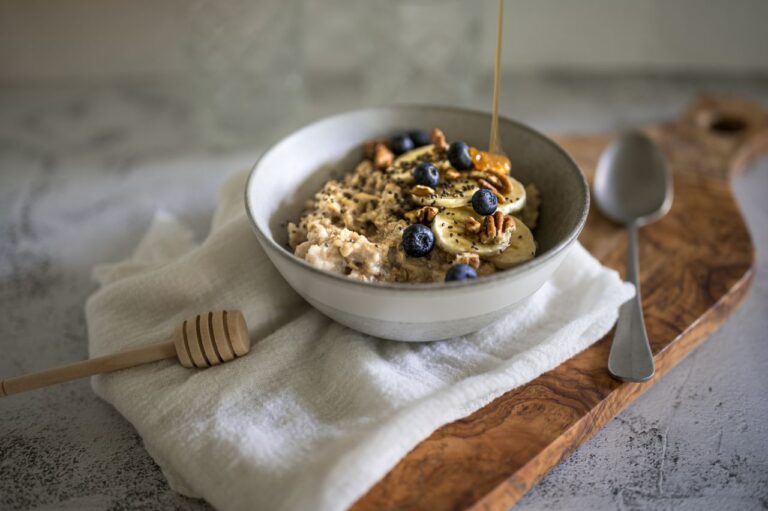
Fiber is one of the simplest ways to support everyday digestive health, but adding more is not always as easy as sprinkling bran on breakfast. The best approach is to build gradually, choose a variety of plant foods, and give your body enough fluid to adjust.
What Dietary Fiber Does for Your Gut
Dietary fiber is the part of plant foods that your body does not fully digest. It travels through the digestive system and can help add bulk to stool, support regular bowel movements, and feed some of the helpful microorganisms in the gut.
Fiber is often grouped into two broad types:
- Soluble fiber absorbs water and forms a gel-like material. It is found in foods such as oats, beans, lentils, apples, citrus fruits, chia seeds, and barley.
- Insoluble fiber adds bulk and helps food and waste move through the digestive tract. Whole-grain foods, vegetable skins, nuts, seeds, and many vegetables provide it.
Most high-fiber foods contain a mixture of both types, so variety matters more than trying to choose only one.
High-Fiber Foods to Add to Everyday Meals
You do not need expensive powders or speciality products to eat more fiber. Start with familiar foods and add one or two choices to meals you already enjoy.
- Beans and lentils: Add them to soups, stews, salads, rice dishes, or wraps.
- Oats and whole grains: Try porridge, brown rice, bulgur, barley, whole-grain bread, or whole-wheat pasta.
- Fruit: Apples, pears, berries, oranges, and guava can add fiber. When practical, eat fruit whole rather than relying on juice.
- Vegetables: Green peas, broccoli, carrots, sweet potatoes, okra, and leafy greens are useful options.
- Nuts and seeds: Chia, flaxseed, almonds, peanuts, and pumpkin seeds can be added to oats, yogurt, salads, or smoothies.
For more ideas, you can also explore the other gut-health and nutrition articles on Grey Cicada.
How Much Fiber Do Adults Need?
Individual needs vary with age, sex, activity, and overall diet. A commonly used adult range is about 22 to 34 grams per day. Rather than chasing a number immediately, look for small improvements: add fruit to breakfast, include vegetables at lunch and dinner, choose whole grains more often, and use beans or lentils several times a week.
Food labels can help you compare products, but the quality of the overall diet matters too. A mixture of fruits, vegetables, legumes, nuts, seeds, and whole grains provides different kinds of fiber and other nutrients.
Increase Fiber Slowly to Reduce Bloating
A sudden jump from a low-fiber diet to a very high-fiber diet can cause gas, abdominal discomfort, or changes in bowel habits. Increase portions gradually over several days or weeks. For example, add one extra serving of fruit or vegetables first, then introduce beans, lentils, or whole grains as your body adjusts.
Drink enough fluid throughout the day. Fiber works best when it has adequate water available, and increasing fiber without enough fluid may make constipation feel worse for some people.
If beans tend to cause discomfort, begin with a smaller portion, rinse canned beans well, and increase the amount slowly. Keeping a simple food and symptom note can help you identify which changes your body tolerates best.
A simple high-fiber day
Here is one practical example:
- Breakfast: Oatmeal topped with berries and ground flaxseed.
- Lunch: A bean and vegetable salad with a whole-grain side.
- Snack: An apple, pear, or a small handful of nuts.
- Dinner: Lentil or vegetable stew with brown rice, barley, or a baked sweet potato.
You can adapt this pattern to your preferences, budget, culture, and medical needs. The goal is not perfection. Consistent, realistic changes are easier to maintain than a drastic diet overhaul.
When to Speak with a Healthcare Professional
Fiber-rich foods can support normal digestion, but they are not a substitute for medical care. Seek advice if constipation, diarrhea, severe bloating, abdominal pain, vomiting, unexplained weight loss, or blood in the stool persists or worries you. People with certain digestive conditions, a history of bowel narrowing, or difficulty swallowing may need individual guidance before making a major fiber increase.
The National Institute of Diabetes and Digestive and Kidney Diseases guide to eating, drinking, and constipation provides additional information about fiber, fluids, and when to seek medical advice.
The Bottom Line
High-fiber foods can be a practical part of a gut-friendly eating pattern. Begin with foods you already like, increase portions gradually, drink enough fluid, and aim for variety across the week. If symptoms continue or you have a digestive condition, get personalized advice before making large dietary changes.
Related Articles
- Dietitians Rank the 4 Highest-Fiber Whole Grains—And No. 1 Puts Oats to Shame
- The Coffee Loophole That Melts Fat While You Sip (Most People Drink Coffee the Wrong Way)
- How Collagen Coffee Supports Weight Loss
- Why They Call This Fiber Supplement “The Poor Man’s Ozempic”
- Is Intermittent Fasting the Secret to Rapid Weight Loss?
- One Simple Change to Your Night Routine That Melts Fat While You Sleep