FREE SHIPPING OVER $50

5 Health Tips This Week: The Low B12 Sign You’re Missing, Leg Exercises That Control Blood Sugar, and 3 More

Staying healthy does not require completely overhauling your daily schedule or spending endless hours in the gym, because small, science-backed lifestyle tweaks often yield massive dividends for your long-term vitality. From spotting sneaky nutrient deficiencies before they drain your daily energy to using subtle seated movements that flatten post-meal glucose spikes, simple daily adjustments can radically improve how you feel. Here are five practical, high-impact health upgrades you can start applying today to optimize your energy, metabolism, and longevity.
At a Glance: This Week’s 5 Health Upgrades
| Health Upgrade | Core Benefit | Primary Action Step |
| 1. Spot Hidden B12 Signals | Restores nerve function and prevents fatigue | Check for tongue glossitis or hand tingling |
| 2. Seated Soleus Push-Ups | Slashes post-meal blood sugar spikes by up to 50% | Raise and lower heels while sitting at your desk |
| 3. Wrist-Stacking for Bench Press | Prevents joint strain and maximizes chest tension | Align bar directly over wrists and forearms |
| 4. Post-Meal 10-Minute Walks | Clears circulating glucose without insulin surges | Take a casual walk right after your heaviest meal |
| 5. Pre-Bed Magnesium Glycinate | Calms nervous system and deepens restorative sleep | Take bioavailable magnesium 30 minutes before bed |
“Small, targeted health interventions often yield dramatic biological rewards. You do not need a complete lifestyle overhaul to achieve steady energy, balanced blood sugar, and resilient joints.”
1. The Sneaky Low B12 Sign You Are Probably Missing
Vitamin B12 is an essential water-soluble nutrient responsible for maintaining healthy nerve cells, supporting red blood cell formation, and producing DNA. While severe B12 deficiency leads to obvious symptoms like crippling fatigue or balance issues, early stage deficiency often manifests through a subtle, easily overlooked sign on your tongue known as atrophic glossitis.
When B12 levels drop, the tiny bumps on your tongue—called papillae—begin to shrink and disappear. As a result, your tongue takes on a smooth, glossy, unusually red appearance and may feel beefy, swollen, or tender when you eat acidic foods.
Additionally, early nerve irritation frequently presents as a mild, sporadic “pins and needles” tingling sensation in your toes or fingers.
Because B12 is found almost exclusively in animal products like beef, eggs, and dairy, plant-based eaters and older adults who produce less stomach acid face higher deficiency risks. If you notice a unusually smooth tongue or subtle peripheral tingling, ask your doctor for a serum B12 and methylmalonic acid (MMA) blood test.
2. The Seated Leg Exercise That Controls Blood Sugar Spikes
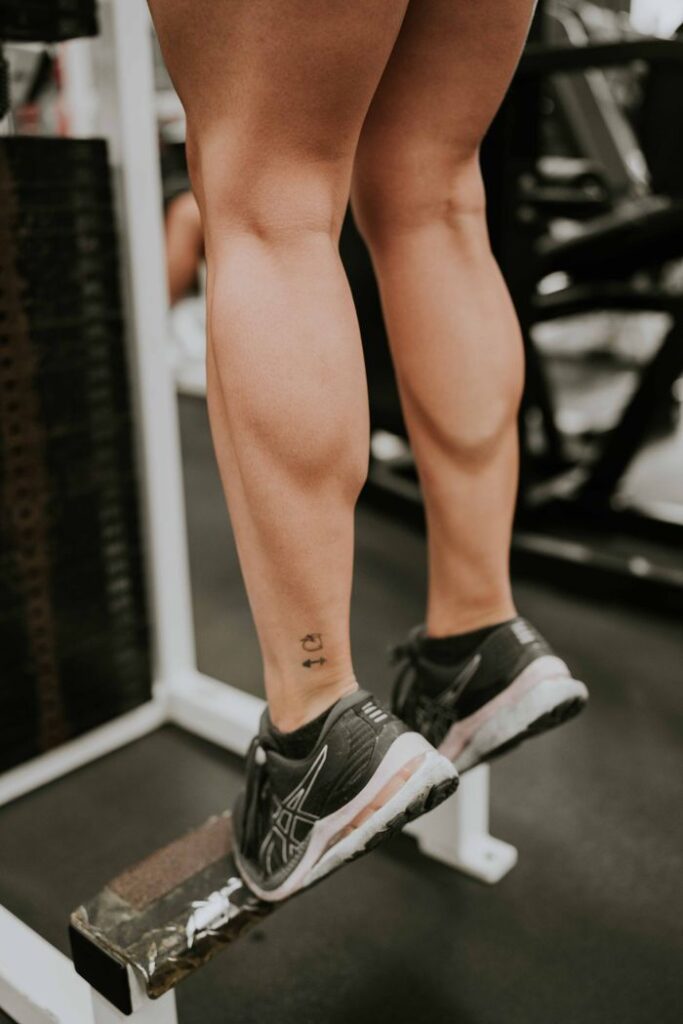
Lowering post-meal blood sugar does not always require getting up for intense cardio, thanks to a unique muscle located in your lower calf called the soleus. Researchers discovered that performing seated soleus push-ups can slash post-meal glucose spikes by up to 50 percent while cutting insulin demands in half.
Unlike most skeletal muscles that burn stored glycogen for energy, the soleus relies primarily on burning circulating blood glucose and free fatty acids directly from your bloodstream. Because it stays disengaged when standing, isolating it in a seated position allows it to work for hours without fatiguing.
Here is how to perform the seated soleus push-up right at your desk:
- Sit upright in a chair with your knees bent at a clean 90-degree angle and your feet flat on the floor.
- Keep the balls of your feet and your toes firmly anchored to the ground.
- Contract your calf muscle to raise your heels as high as comfortably possible.
- Allow your heels to drop naturally back to the floor in a relaxed, passive motion.
- Repeat this continuous rhythm for 3 to 5 minutes shortly after eating a meal.
3. Protect Your Joints: Wrist Stacking for Pressing Movements
If you experience persistent wrist or elbow discomfort during bench pressing, overhead pressing, or push-ups, you are likely letting your wrists bend backward under heavy loads. This common mistake creates immense joint shear and bleeds mechanical force away from your target muscles.
To protect your joints and instantly push more weight, practice proper wrist stacking. This technique involves keeping your knuckles aligned directly over your wrist joint, radius, and ulna throughout the entire pressing motion.
When you grip a barbell or dumbbell, place the handle low in the palm of your hand—right over the heel of your thumb—rather than high up near your fingers. This positioning prevents the weight from forcing your hand backward, creating a straight, solid column of force that transfers power directly into your chest and shoulders without straining fragile wrist ligaments.
4. The 10-Minute Post-Meal Walk for Glucose Control
If sitting at a desk isn’t required after eating, taking a brief, casual 10-minute walk immediately after your largest meal offers an incredible metabolic buffer. When you consume carbohydrates, your body breaks them down into glucose, triggering an insulin surge from your pancreas.
Light physical movement activates GLUT4 glucose transporters inside your skeletal muscle cells independently of insulin. In simple terms, contracting your leg muscles acts like a sponge that pulls sugar out of your blood without forcing your pancreas to work overtime.
You do not need a fast pace or sweat-inducing intensity to enjoy this benefit; a leisurely stroll around the block or around your home clears glucose efficiently, prevents mid-afternoon energy crashes, and supports smooth digestion.
5. Pre-Bed Magnesium Glycinate for Restorative Sleep
Chronic stress, heavy workouts, and processed diets rapidly deplete your body’s magnesium reserves. Because magnesium acts as a natural cofactor in over 300 enzymatic reactions, running low can leave your nervous system stuck in a state of high alert at night.
Supplementing with magnesium glycinate roughly 30 minutes before bed provides a dual-action sleep boost. Glycine is an amino acid that exerts a calming effect on the brain, while magnesium binds to gamma-aminobutyric acid (GABA) receptors to quiet racing thoughts and lower heart rate.
Unlike magnesium oxide or citrate—which often cause digestive upset or laxative effects—magnesium glycinate boasts superior bioavailability and gentle absorption. Adding 200 to 400 milligrams to your evening routine promotes deeper REM sleep, reduces night muscle cramps, and helps you wake up feeling genuinely restored.
How These Health Hacks Compare in Daily Practice
| Health Upgrade | Difficulty Level | Time Commitment | Targeted Outcome |
| B12 Visual Check | Ultra-Easy | 10 seconds daily | Early detection of nerve & energy deficits |
| Soleus Push-Ups | Low | 3 to 5 minutes post-meal | Desk-bound blood sugar management |
| Wrist Stacking | Moderate | Applied during workouts | Joint protection & stronger pressing power |
| Post-Meal Walk | Easy | 10 minutes post-meal | Enhanced insulin sensitivity & digestion |
| Magnesium Glycinate | Ultra-Easy | 1 minute before bed | Calmer nervous system & deeper sleep |
Related Articles
- Why Lifters Over 50 Are Switching to the Trap Bar Deadlift—All the Gains, Half the Risk
- The Kettlebell Secret That’s Making Fast Runners Even Faster
- Out of Shape and Overwhelmed? This Simple Workout Plan Will Change Everything
- 5 Daily Exercises That Double Grip Strength and Reverse Aging
- Your Chest Day Is Broken: 5 Exercises Experts Beg You to Stop Doing Immediately