FREE SHIPPING OVER $50

4 Common Vegetables With More Fiber Than Broccoli (No. 3 Has Almost Double)

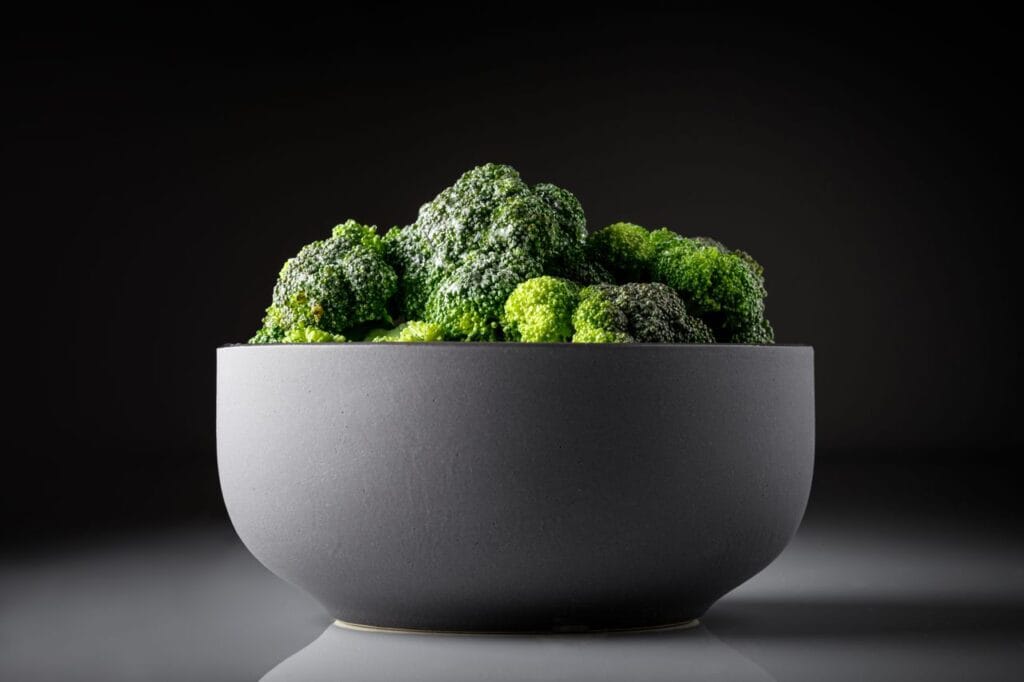
If you think choking down cooked broccoli florets is the only way to hit your daily nutrition goals, your weekly grocery list is about to get a serious upgrade. While broccoli certainly earns its reputation as a healthy side dish, several everyday vegetables sitting in your local produce aisle quietly pack a much bigger fiber punch per serving—and one autumn favorite delivers almost twice as much.
Why Fiber Is the Ultimate Secret for Gut Health and Weight Loss
Dietary fiber is one of the most underrated nutrients in modern nutrition. Although most people associate fiber strictly with digestive regularity, its health benefits extend far beyond keeping your gut moving smoothly. Fiber feeds the beneficial bacteria living inside your microbiome, lowers systemic inflammation, helps manage cholesterol levels, and keeps your blood sugar stable throughout the day.
Furthermore, fiber plays a pivotal role in sustainable weight management. Because fibrous foods take longer to digest, they expand in your stomach and signal fullness to your brain long after you finish eating. Consequently, adding high-fiber vegetables to your meals prevents energy crashes and curbs late-night snacking. Health authorities recommend that adults consume between twenty-five and thirty-eight grams of fiber daily, yet roughly ninety-five percent of people fall short of this baseline requirement. Fortunately, swapping standard sides for high-fiber alternatives makes hitting your daily quota effortless.
The Broccoli Baseline: How Fiber Measures Up
Before exploring higher-fiber alternatives, establishing a clear baseline for broccoli helps put these numbers into perspective. A one-cup serving of cooked broccoli offers roughly 5.1 grams of dietary fiber, while a cup of raw chopped broccoli yields about 2.4 grams.
While five grams per cup is a solid contribution toward your daily intake, many people assume broccoli reigns as the absolute highest-fiber vegetable available. In reality, several common options beat broccoli handily without requiring you to eat massive portions.
| Vegetable | Serving Size | Fiber Content | Primary Fiber Benefit |
| Cooked Broccoli (Baseline) | 1 Cup | 5.1 Grams | Balanced mix of soluble and insoluble fiber |
| Steamed Artichoke | 1 Medium | 6.8 Grams | Rich in prebiotic inulin for gut health |
| Sweet Green Peas | 1 Cup (Cooked) | 8.8 Grams | High fiber combined with plant-based protein |
| Baked Acorn Squash | 1 Cup (Cubed) | 9.0 Grams | Almost double the fiber of cooked broccoli |
| Cooked Parsnips | 1 Cup (Sliced) | 6.5 Grams | Excellent source of cholesterol-lowering soluble fiber |
The 4 Vegetables That Outshine Broccoli in Fiber
1. Steamed Artichokes (6.8 to 9.6 Grams Per Serving)
Artichokes might look intimidating to prepare, but they are absolute nutritional powerhouses. A single medium cooked artichoke delivers 6.8 grams of fiber, while a cup of cooked artichoke hearts packs a staggering 9.6 grams. That means enjoying just one artichoke provides nearly a third of your entire daily fiber needs in a single sitting.
What makes artichokes especially valuable for your digestion is their high concentration of inulin. Inulin is a unique type of soluble prebiotic fiber that passes through your upper digestive tract unabsorbed. Once it reaches your lower intestine, your beneficial gut bacteria ferment inulin into short-chain fatty acids like butyrate. As a result, eating artichokes strengthens your intestinal barrier, improves nutrient absorption, and keeps your microflora thriving.
2. Sweet Green Peas (8.8 Grams Per Cup)
Many people relegate green peas to a basic frozen side dish, but these bright little pods carry a heavyweight nutritional profile. A single cup of cooked green peas provides 8.8 grams of dietary fiber, comfortably outperforming cooked broccoli by more than three full grams per cup.
In addition to their high fiber density, green peas supply nearly eight grams of plant-based protein per cup. Combining complex carbohydrates, fiber, and protein in one food slows down gastric emptying dramatically. Therefore, tossing a cup of thawed green peas into your weekday pasta, grain bowls, or salads creates a long-lasting, blood-sugar-friendly meal without adding unnecessary prep time.
3. Acorn Squash (9.0 Grams Per Cup) — The Double-Fiber Champion
Taking the top spot on our list is acorn squash, delivering a massive 9.0 grams of fiber per cooked cup. Compared to the 5.1 grams found in a cup of cooked broccoli, roasted acorn squash delivers almost double the fiber content in the exact same serving size.
This vibrant winter squash derives its rich yellow-orange color from beta-carotene and lutein, two powerful antioxidants that protect vision and reduce cardiovascular inflammation. Because acorn squash boasts a naturally sweet, buttery flavor profile when roasted, it satisfies comfort-food cravings while secretly acting as a massive digestive aid. Furthermore, the thick skin and dense flesh contain a balanced mixture of both soluble pectin and insoluble cellulose, ensuring your digestive tract stays fully supported.
4. Roasted Parsnips (6.5 Grams Per Cup)
Parsnips closely resemble pale carrots, but their earthy, sweet flavor and fiber content make them stand out on their own merit. One cup of cooked, sliced parsnips contains 6.5 grams of fiber, outpacing cooked broccoli by nearly thirty percent.
Parsnips excel at providing soluble fiber, the specific type of fiber that dissolves in water to form a gel-like substance inside your digestive system. Soluble fiber binds to excess cholesterol particles in your intestinal tract and carries them out of your body before they can enter your bloodstream. Consequently, incorporating roasted parsnips into your weekly meal prep helps manage lipid levels while keeping your digestive rhythm consistent.
How to Increase Your Fiber Intake Without Straining Your Gut
While adding these fiber-rich vegetables to your plate offers immense long-term health rewards, ramping up your fiber intake too quickly can trigger temporary bloating, gas, or stomach cramps. Your gut microbiome requires time to adapt to a higher fiber workload.
Follow these practical guidelines to comfortably boost your daily fiber intake without digestive discomfort:
- Hydrate Constantly: Fiber acts like a sponge inside your intestines. As you eat more fibrous vegetables, drink plenty of water so the fiber can move through your tract smoothly.
- Increase Portions Gradually: Avoid jumping from ten grams to thirty-five grams of fiber overnight. Instead, add one extra serving of high-fiber vegetables every few days to let your digestive system adjust naturally.
- Rotate Your Veggies: Eating a wide variety of plant foods introduces different fiber types and polyphenols to your gut, cultivating a more resilient microbiome.
- Lightly Steam or Roast: Cooking tough vegetables breaks down complex plant cell walls, making them far easier for your stomach to process than raw veggies.
Related Articles
- These 10 Foods Torch Belly Fat, Kill Cravings, and Build a Tighter Core—Your Abs Will Thank You
- Weight Gain vs. Berries: The Battle You Didn’t Know You Needed
- How Walking at This Specific Hour Could Help You Shed Stubborn Fat Faster
- Want to Burn Fat Overnight? This Bedtime Drink Speeds Weight Loss by 50%
- 4 Expert-Recommended Exercises Every Woman Needs to Age Like a Boss