FREE SHIPPING OVER $50

You’re Eating Sweet Potatoes Wrong—This One Simple Trick Unlocks 3x More Vitamin A, According to Dietitians

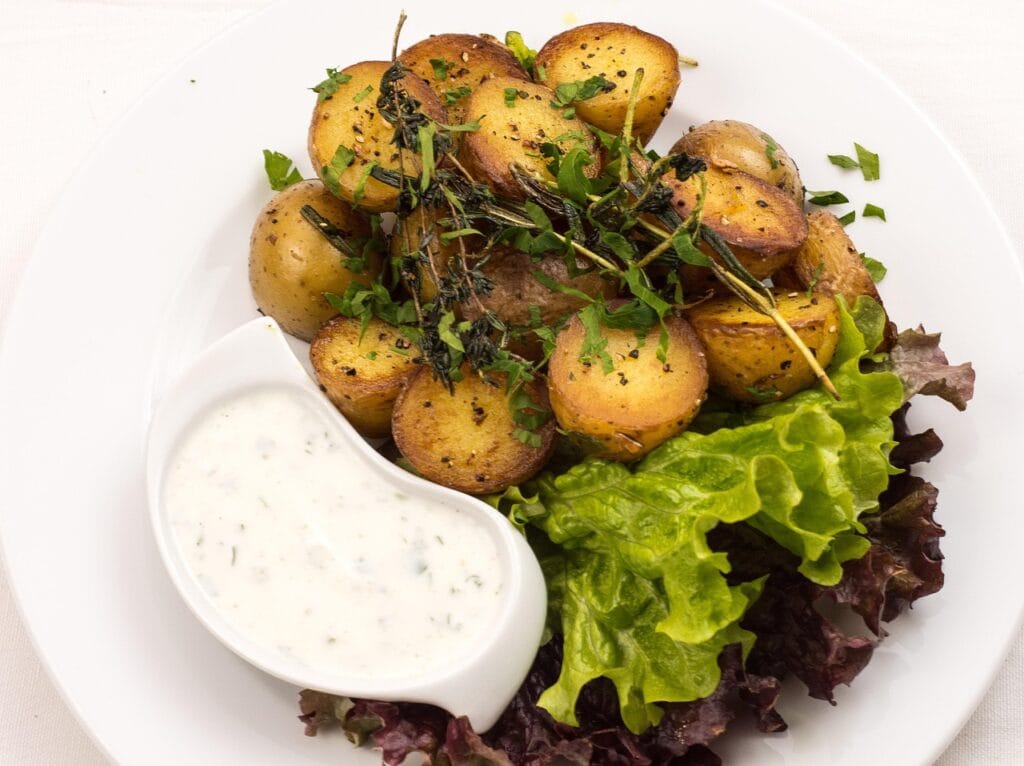
Sweet potatoes are widely praised as one of the most nutrient-dense superfoods in the produce aisle, but if you are baking them plain in foil and eating them dry, you are missing out on their most powerful health benefits. While these vibrant orange tubers come packed with beta-carotene—the compound your body converts into essential Vitamin A—your digestive tract simply cannot absorb this critical nutrient effectively on its own. Registered dietitians reveal that unlocking up to three times more Vitamin A does not require complicated cooking techniques or expensive supplements; it comes down to a fundamental food-pairing rule that completely changes how your body processes every single bite.
The Science of Beta-Carotene: Why Fat Is Non-Negotiable
To understand why eating plain sweet potatoes falls short, you have to look at how different vitamins travel through your digestive system. Nutrient compounds fall into two main categories: water-soluble and fat-soluble. Vitamins like Vitamin C and the B-complex group dissolve in water, meaning your body absorbs them easily alongside liquid digestion.
In contrast, beta-carotene is a fat-soluble carotenoid pigment. When you chew and swallow a piece of sweet potato, the beta-carotene travels into your stomach encased inside tough plant cell walls. Once it reaches your small intestine, your body needs dietary fat to stimulate the gallbladder to release bile.
Bile acts as an emulsifier, breaking down dietary fats into microscopic droplets called micelles. These tiny fat bubbles grab onto the released beta-carotene molecules and transport them safely through your intestinal wall into your bloodstream. Without adequate fat present during digestion, the vast majority of that valuable beta-carotene passes right through your system completely unabsorbed.
The One Simple Trick: Pair Sweet Potatoes with Healthy Fats
The secret to maximizing your meal is remarkably simple: always eat sweet potatoes alongside a source of dietary fat. Dietitians emphasize that you do not need to drench your food in heavy grease to see dramatic results. Adding as little as 3 to 5 grams of healthy fat—roughly one teaspoon of olive oil, butter, or nut butter—is enough to trigger proper bile release and micellar formation.
Clinical nutrition studies demonstrate that pairing fat-soluble carotenoids with lipids increases their bioavailability by 300 percent or more compared to eating the same vegetables fat-free. When you roast sweet potato wedges in extra virgin olive oil or mash baked sweet potatoes with a pat of grass-fed butter, you create the exact biochemical environment required to turn raw beta-carotene into active, usable Vitamin A.
How Preparation Methods Impact Nutrient Uptake
How you cook and slice your sweet potatoes plays an equally important role in releasing nutrients from their cellular structure. Heat breaks down the rigid pectin walls of plant cells, making beta-carotene far more accessible to digestive enzymes.
| Preparation Method | Beta-Carotene Release | Fat Presence Required | Overall Vitamin A Absorption |
| Raw Slices (Plain) | Extremely Low | No | Minimal (Under 5%) |
| Plain Baked in Foil (No Fat) | Moderate | No | Low (10% to 15%) |
| Boiled in Water (Peeled) | Moderate | No | Low (Nutrients leach into water) |
| Roasted with Olive Oil | High | Yes | Maximum (300%+ Increase) |
| Mashed with Butter & Skin On | Very High | Yes | Maximum Efficiency |
4 Common Habits That Drain Sweet Potato Nutrition
Even well-intentioned home cooks often make simple prep mistakes that accidentally waste the nutritional value of their produce. Avoid these four common kitchen habits to ensure you get every milligram of health benefits from your meal.
1. Peeling Away the Skin
The skin of a sweet potato contains a dense concentration of dietary fiber, potassium, and complex antioxidants. Peeling the skin off before cooking strips away up to half of the total fiber content and leaves the delicate inner flesh exposed to nutrient loss. Simply scrub the outer skin clean with a vegetable brush and keep it intact during baking or roasting.
2. Boiling in Excessive Water
Boiling chopped sweet potatoes in a large pot of water causes water-soluble vitamins, minerals, and soluble fibers to leach directly into the liquid. Unless you intend to consume the leftover cooking broth in a stew or soup, much of that nutrition gets washed down the kitchen sink drain. Opt for steaming or dry roasting instead.
3. Sticking to Low-Fat or Fat-Free Prep
Baking a sweet potato whole without adding any fat might seem like a smart strategy for saving calories, but it severely limits nutrient delivery. Skipping fat entirely robs your body of the primary driver needed to convert provitamin A into active retinol.
4. Overcooking at Extreme Temperatures
While heat is necessary to soften plant cell walls, burning or blackening sweet potatoes at extreme heat for extended periods can degrade delicate carotenoid structures. Aim for moderate roasting temperatures around 375°F to 400°F (190°C to 200°C) until the flesh is fork-tender.
The Best Healthy Fats to Pair with Sweet Potatoes
Choosing the right lipid pairing elevates both the flavor profile and the nutritional impact of your dish. Mix and match these dietitian-approved fat sources depending on whether you want a savory or sweet meal.
- Extra Virgin Olive Oil: High in heart-healthy monounsaturated fats and polyphenols, olive oil is perfect for roasting cubed sweet potatoes with garlic and rosemary.
- Grass-Fed Butter or Ghee: Provides natural fat-soluble vitamins like K2 along with rich flavor that pairs perfectly with warm baked sweet potatoes.
- Avocado Oil or Fresh Avocado: Avocado oil offers a high smoke point for high-heat roasting, while sliced fresh avocado adds creamy texture and monounsaturated fatty acids to sweet potato bowls.
- Tahini or Nut Butters: Drizzling warm almond butter or sesame tahini over roasted sweet potato slices creates a delicious, savory-sweet snack packed with healthy fats and plant protein.
- Full-Fat Coconut Milk: Adding a splash of full-fat coconut milk to mashed sweet potatoes creates a velvety texture while supplying medium-chain triglycerides that absorb quickly.
Top Health Benefits of Maxing Out Your Vitamin A
Optimizing your Vitamin A uptake yields widespread benefits across your entire body. Once your liver converts beta-carotene into active retinol, this power-packed vitamin goes to work supporting several critical biological systems.
- Sharp Night Vision: Vitamin A forms a key component of rhodopsin, a specialized protein in your eyes that allows you to see clearly in low-light conditions.
- Radiant Skin Cell Turnover: Retinol accelerates skin cell regeneration, boosting natural collagen support and helping maintain a smooth, healthy complexion from the inside out.
- Robust Immune Function: Vitamin A helps maintain the structural integrity of mucosal linings in your respiratory tract and gut, creating a strong physical barrier against external pathogens.
- Gut Lining Integrity: Beta-carotene supports the production of protective mucus along the intestinal tract, nourishing your microbiome and reducing systemic gut irritation.
3 Fast High-Absorption Sweet Potato Prep Ideas
- Savory Sheet-Pan Hash: Cube two large sweet potatoes with the skin on, toss with two tablespoons of extra virgin olive oil, sea salt, black pepper, and smoked paprika, then roast at 400°F for twenty-five minutes until crisp.
- Loaded Breakfast Sweet Potato: Split a hot baked sweet potato open, add a tablespoon of almond butter, top with fresh blueberries, and sprinkle with hemp seeds for a balanced, high-fiber morning meal.
- Creamy Coconut Mash: Boil or steam sweet potato chunks with the skin on until soft, then mash thoroughly using two tablespoons of full-fat coconut milk and a pinch of cinnamon.
Related Articles
- If the Power Goes Out Tomorrow, You’ll Wish You’d Stocked These 25 Foods That Last 25+ Years
- The #1 Bone-Destroying Food in Your Pantry Is Undoing Every Calcium Supplement You Take (Cut It for 90 Days)
- Dentists Reveal the 10 Worst Foods and Drinks Silently Destroying Your Tooth Enamel Right Now (You Probably Eat #3 Daily)
- Doctors Are Shocked: This Cheap, High‑Protein Snack Lowers Cholesterol Better Than Oatmeal
- The Unexpected Ingredient I Added to My Eggs That Boosted My Protein Intake