FREE SHIPPING OVER $50

Nature’s Retinol: Why Sardines Are Better Than Any Anti‑Aging Cream (And You’re Probably Not Eating Them)

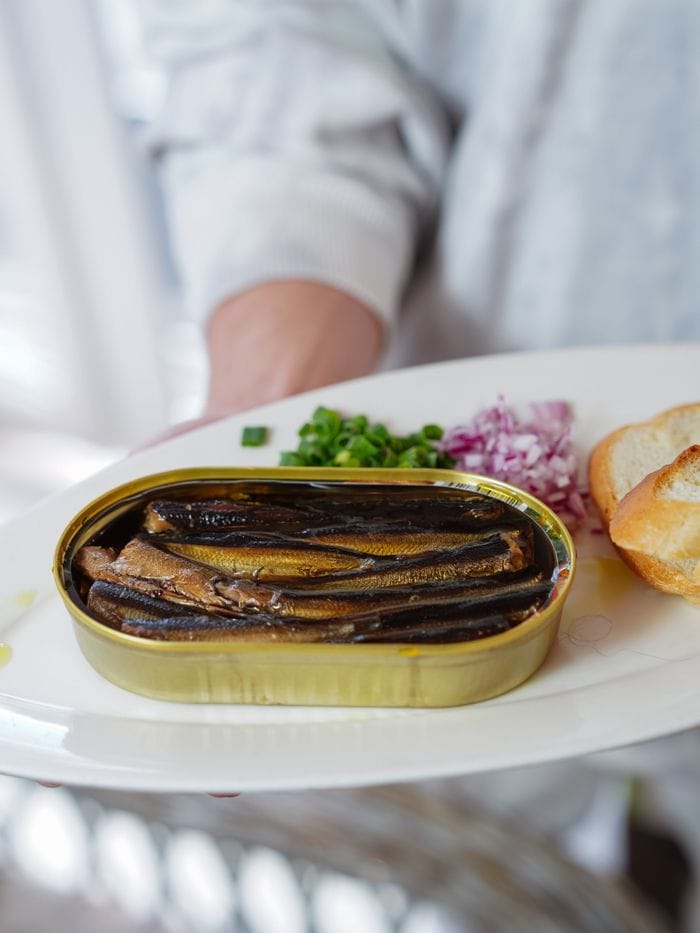
Every year, people spend small fortunes on topically applied anti-aging products promising to erase fine lines, firm up sagging tissue, and restore a youthful glow. Retinol, vitamin C serums, and hyaluronic acid creams certainly have their place in a solid skincare routine, but topical treatments encounter a major biological barrier: your skin itself.
Your epidermis functions primarily as a protective shield designed specifically to keep outside elements out. Consequently, even high-end serums struggle to penetrate deep into the dermis, where collagen synthesis and cellular repair actually happen.
While expensive creams work on the surface layer, true skin transformation requires nourishing your cells from the inside out. When you supply your body with the exact building blocks it needs through your diet, your bloodstream delivers those vital nutrients directly to every layer of your skin. This internal delivery system provides lasting structural benefits that no surface lotion can ever replicate.
Why Sardines Act as Nature’s Ultimate Retinol
Calling a tiny fish “nature’s retinol” might sound like an exaggeration, but their dense nutritional profile rivals the most advanced skincare formulations available today. Instead of relying on synthetic chemicals, sardines pack a powerhouse combination of bioavailable nutrients that work together to repair, hydrate, and protect your skin cells.
1. High-Dose Omega-3 Fatty Acids (EPA and DHA)
Topical moisturizers try to mimic the skin’s natural lipid barrier, but eating sardines strengthens that barrier at a cellular level. Sardines rank among the richest natural sources of eicosapentaenoic acid (EPA) and docosahexaenoic acid (DHA).
- Hydration Lock: Omega-3 fatty acids fortify cell membranes, allowing your skin cells to hold onto water far more effectively.
- Calming Inflammation: EPA actively reduces systemic inflammation, calming redness, eczema flare-ups, and inflammatory acne.
- UV Defense: Regular consumption of marine omega-3s helps shield skin cells from sun-induced oxidative damage and premature aging.
2. Bioavailable Marine Collagen and CoQ10
Unlike large fish options where bones and skin are discarded, canned sardines include tiny, soft, fully edible bones and skin. This means every serving delivers pure, natural marine collagen along with Coenzyme Q10 (CoQ10).
CoQ10 acts as a potent cellular antioxidant that energizes skin cell mitochondria, encouraging faster cellular turnover and helping smooth out fine lines over time.
3. Selenium and Zinc for Skin Repair
Zinc acts as a natural repair agent for your skin barrier, helping clear blemishes and regulate oil production. Meanwhile, selenium acts as a powerful antioxidant partner to vitamin E, neutralizing free radicals caused by pollution and stress before they break down healthy skin tissue.
Sardines vs. Expensive Anti-Aging Solutions
| Nutritive & Practical Factor | Canned Sardines in Olive Oil | High-End Anti-Aging Retinol Cream | Collagen Powder Supplements |
| Average Cost per Serving | $2.00 to $3.50 | $3.00 to $8.00 per application | $1.50 to $3.00 per scoop |
| Primary Delivery Method | Internal (Direct cellular bloodstream delivery) | External (Surface layer penetration only) | Internal (Requires digestive breakdown) |
| Omega-3 Content | Massive (Over 1,400mg EPA/DHA) | Zero | Zero |
| Heavy Metal Risk | Extremely Low (Bottom of the ocean food chain) | N/A | Varies widely by brand testing |
| Additional Health Benefits | Cardiovascular, brain, and joint support | None beyond skin contact area | Joint support only |
Why You Probably Aren’t Eating Sardines (And How to Fix It)
Despite their incredible list of health benefits, many people avoid sardines due to common misconceptions about their taste, texture, or smell. If you tried cheap, poorly packed sardines years ago, you might remember a dry, overly fishy experience.
Fortunately, tinned seafood has undergone a massive culinary renaissance. High-quality canned fish available today tastes mild, buttery, and incredibly rich.
To choose the best options for both your skin and your palate, keep these simple guidelines in mind:
- Choose Oil-Packed Tins: Look for sardines packed in extra virgin olive oil or water rather than cheap soybean or cottonseed oil. Extra virgin olive oil adds its own skin-healthy polyphenols to the mix.
- Buy Skin-On and Bone-In: Do not fear the soft bones. They crunch minimally, digest effortlessly, and provide the calcium, collagen, and mineral density that make sardines a true superfood.
- Opt for Wild-Caught: Wild-caught sardines from sustainable fisheries offer a cleaner nutrient profile free from artificial farm feeds.
Delicious Ways to Add Sardines to Your Diet
You do not need to eat sardines straight out of the tin with a fork if that does not appeal to you. You can easily blend them into delicious everyday meals without feeling overwhelmed by a fishy flavor.
- Sardine and Avocado Toast: Mash half an avocado onto a slice of toasted sourdough bread. Top with drained sardines, a squeeze of fresh lemon juice, a drizzle of extra virgin olive oil, and a pinch of red pepper flakes.
- Mediterranean Pasta Toss: Flake sardines into warm whole-wheat or chickpea pasta along with sautéed garlic, capers, cherry tomatoes, fresh parsley, and parmesan cheese.
- Simple Caesar Salad Upgrade: Swap traditional anchovies for chopped sardines in your favorite salad to add rich, savory flavor and an instant protein boost.
- Lemon Garlic Sardine Dip: Blend a tin of drained sardines with Greek yogurt, lemon juice, garlic, and fresh dill to make a flavorful spread for crackers or fresh veggies.
The Low-Mercury Advantage You Need to Know
A common concern when increasing seafood intake is mercury toxicity. Large predatory fish—like tuna, swordfish, and king mackerel—live for years and consume smaller fish, accumulating heavy metals in their muscle tissue over time.
Sardines sit at the very bottom of the aquatic food chain. Because they feed exclusively on plankton and have short lifespans, they do not accumulate dangerous levels of mercury or microplastics. You can safely eat sardines several times a week without worrying about heavy metal exposure.
Related Articles
- The ‘Healthy’ Ingredient in Your Zero‑Calorie Drinks That Actually Makes You Hungrier, Says New Research
- Reverse Aging? New Study Reveals How Omega-3s Could Make Your Cells 10 Years Younger
- Top FODMAP-Friendly Protein Powders and Meal Replacements You Need Now
- Try These 5 High-Protein Smoothie Ingredients Instead of Protein Powder
- The Unexpected Ingredient I Added to My Eggs That Boosted My Protein Intake