FREE SHIPPING OVER $50

Retired Men Who Pick Up a Paintbrush, Pen, or Guitar Live Almost a Decade Longer, According to New Research

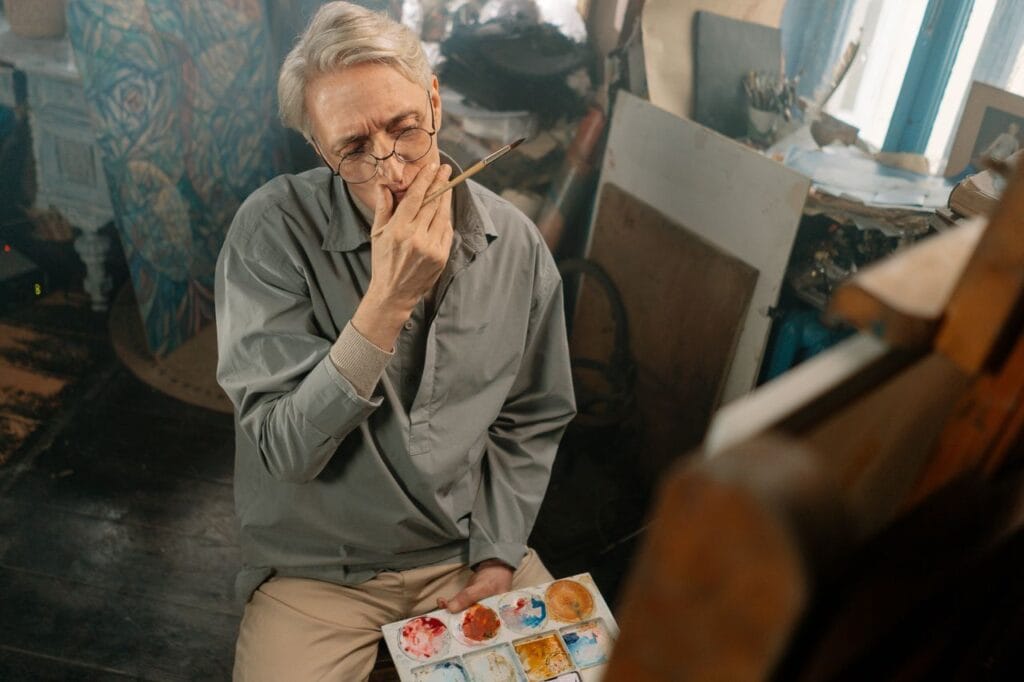
When men step away from decades of daily work routines, they often look forward to endless relaxing mornings, travel, or hitting the golf course. However, behind those golden retirement years lies a well-documented medical reality known as the retirement health drop. Leaving a lifelong career can suddenly remove a man’s primary source of daily structure, mental challenge, and social identity, which often leads to surprising spikes in cognitive decline, cardiovascular problems, and depression. Fortunately, groundbreaking research shows that retired men who actively engage in creative hobbies like painting, writing, or playing a musical instrument can reverse this trajectory and potentially add nearly a decade of vibrant, healthy years to their life expectancy.
The Retirement Gap: Why Passive Rest Accelerates Aging
For decades, popular culture portrayed ideal retirement as pure rest and relaxation. Yet, longitudinal public health studies consistently reveal a very different story. When men transition out of the workforce, their total daily cognitive load drastically drops.
Without complex problems to solve, team dynamics to navigate, or deadlines to meet, the brain begins to shed unused neural connections. Medical researchers refer to this biological principle as “use it or lose it.”
Passive leisure activities, such as watching television or sitting idly, do not challenge the brain enough to stimulate growth. Over time, this mental stagnation leads to measurable biological consequences:
- Accelerated Cognitive Decline: Reduced mental stimulation correlates directly with a higher risk of developing dementia and memory loss.
- Elevated Stress Hormones: Lacking a daily purpose often leads to subtle, chronic stress, which raises resting cortisol levels and damages blood vessels.
- Social Isolation: Men who lose their workplace network without replacing it face higher rates of systemic inflammation and immune system dysfunction.
How Creative Outlets Re-Wire the Aging Male Brain
Engaging in creative pursuits is far more than a fun way to pass the time; it serves as a powerful neuro-protective intervention. When you sit down to play a guitar chord, draft a story, or mix oil paints on a canvas, your brain undergoes a massive biological transformation.
1. Building Cognitive Reserve Through Neuroplasticity
Learning an instrument or mastering a visual art form requires intense cross-brain communication. For instance, playing the guitar forces your brain to process visual sheet music, execute precise motor control in both hands, and listen to auditory feedback simultaneously.
This multi-sensory engagement stimulates neuroplasticity—your brain’s ability to form new neural pathways and structural connections. Building this dense network of connections creates a strong “cognitive reserve.” This reserve helps your brain bypass age-related damage and keeps you mentally sharp well into your 70s, 80s, and beyond.
2. Achieving the Longevity-Boosting “Flow State”
When a writer gets lost in a storyline or a painter focuses on blending colors, they enter a psychological state known as flow. During flow, your brain operates on smooth alpha waves, similar to deep meditation.
Entering this state lowers your heart rate, relaxes your nervous system, and causes a significant drop in systemic inflammatory markers. Since chronic low-grade inflammation drives major age-related diseases like heart disease, diabetes, and Alzheimer’s, regularly entering a creative flow state provides genuine physical protection.
Comparing Retirement Hobbies: Health Impact Analysis
| Hobby Type | Primary Brain Impact | Stress Reduction Level | Longevity Benefit |
| Passive TV / Media | Low (Minimal engagement) | Low to Moderate | Minimal to Negative |
| Simple Crosswords | Moderate (Recall only) | Moderate | Slight cognitive support |
| Creative Arts (Music/Painting/Writing) | High (Multi-sensory neuroplasticity) | Exceptional (Flow state activation) | Up to 10 extra healthy years |
The Big Three Creative Hobbies and Their Brain Benefits
While any creative outlet is beneficial, three specific hobbies deliver exceptional advantages for the aging male brain.
1. Playing a Musical Instrument
Learning an instrument is arguably the most comprehensive workout your brain can get. It strengthens the corpus callosum—the thick bridge of nerve fibers connecting the left and right hemispheres of your brain.
- Motor Skill Preservation: Keeping your fingers nimble on piano keys or guitar strings preserves fine motor skills and hand dexterity.
- Auditory Processing: Music training prevents age-related hearing loss by training your brain to isolate individual frequencies in noisy environments.
2. Expressive and Creative Writing
Whether you choose to write fictional stories, poetry, or a personal memoir, writing demands high-level executive function.
- Memory Retrieval: Drafting a memoir forces your brain to search long-term memory banks, keeping memory retrieval pathways active.
- Emotional Processing: Writing provides a structured outlet to process past experiences and reduce bottled-up emotional stress.
3. Visual Arts (Painting, Sculpting, Sketching)
Visual arts require a unique mix of spatial awareness, color theory, and hand-eye coordination.
- Enhanced Spatial Processing: Rendering a 3D scene on a 2D canvas exercises the parietal lobes, which manage spatial perception and balance.
- Dopamine Release: Finishing a painting or sculpture triggers a healthy release of dopamine, keeping your intrinsic drive and mood elevated.
How to Get Started Without Feeling Overwhelmed
Many retired men hesitate to try creative arts because they assume they lack “natural talent.” However, clinical studies show that your brain receives the exact same biological benefits regardless of your artistic skill level. The health boost comes from the process of learning and creating, not from creating a museum masterpiece.
To build a consistent creative habit that lasts, follow three simple rules:
- Start Small: Dedicate just 20 to 30 minutes a day to your new hobby. Short, daily sessions build neural pathways far more effectively than one long, exhausting marathon session per week.
- Embrace the Learning Curve: Expect your initial attempts to feel clumsy. Remind yourself that every mistake or struggle is a sign that your brain is actively building new connections.
- Join a Community: Consider taking a local painting workshop, joining a writing group, or taking group music lessons. Combining creative effort with social interaction doubles the mental health benefits.
Related Articles
- Most People Cold Plunge for the Wrong Reason—Here’s the Only One That Matters, According to a Neuroscientist
- The #1 Fear That Ages Seniors Faster Than Time—and the 5-Minute Daily Fix That Ends It
- Science Says Muscle Is a Longevity Organ—Here’s the One Beginner Lift That Activates It Instantly
- We Interviewed 100 Joyful Retirees—These 15 Tiny Daily Rituals Were Their Common Secret to Staying Vibrant
- I Was Diagnosed With Osteoporosis at 52—This Natural 3-Step Protocol Rebuilt My Bone Density in 12 Months