FREE SHIPPING OVER $50
The 15 Exercises Dermatologists and Physical Therapists Both Agree Are the Most Powerful Anti-Aging Tools You’re Not Using


If you want to truly reverse the visible signs of aging, you have to look beneath the surface of your skin at the “biological scaffolding” that holds everything in place. While the beauty industry spent decades selling us creams to fix the “drape,” they neglected the “curtain rod”—the 43 muscles in your face and the hundreds in your body that determine your structural silhouette. Dermatologists and physical therapists are finally aligning on a single truth: sagging skin and stiff joints are often just symptoms of muscle atrophy and fascial dehydration. By engaging in a targeted “Resistance Protocol” for both your face and your frame, you can effectively rebuild the volume in your cheeks, sharpen a softening jawline, and restore the fluid gait of your thirties.
The Science of Structural Aging: Why Your Scaffolding Matters
We often blame “skin laxity” for wrinkles and sagging, but aging is actually a three-dimensional collapse. As we get older, we lose bone density and muscle volume in the mid-face and lower body. When the underlying muscle shrinks, the skin has nothing to cling to, leading to the “pooling” effect we see as jowls or hollow eyes.
Physical therapists look at this from a functional perspective, noting that as we lose the ability to stabilize our core and hips, our posture shifts forward. This “hunched” posture pulls on the platysma muscle in the neck, which in turn drags down the lower half of the face. By strengthening the “Posterior Chain” (the muscles on your back) and the “Facial Elevators,” you create a tension system that naturally pulls everything upward and backward.
The Aging Breakdown: Surface vs. Structure
| Feature | Surface Aging (Skin) | Structural Aging (Muscle/Bone) |
| Primary Cause | UV Damage, Glycation | Atrophy, Bone Resorption |
| Visible Result | Fine Lines, Pigmentation | Jowls, Sagging, Loss of “Lift” |
| Dermatologist Fix | Retinoids, Vitamin C | Facial Resistance Training |
| PT Intervention | Postural Alignment | Eccentric Loading, Mobility |
| Long-Term Impact | Temporary Texture Fix | Permanent Structural Support |
The Facial Architecture: Top 5 Moves for a Natural Lift
Dermatologists are increasingly recommending “Face Yoga” or “Facial Resistance” because it stimulates blood flow and increases the size of the muscle pads in the cheeks. This adds “Youth Volume” naturally.
1. The Cheek Lifter (Zygomatic Strengthening)
Open your mouth to form an “O” and wrap your lips over your teeth. Smile as hard as you can to lift your cheek muscles toward your eyes. Hold for five seconds and release. This targets the zygomaticus muscles, which act as the “hooks” for your mid-face.
2. The Jawline Sculptor (Platysma Tension)
Tilt your head back slightly and press your tongue firmly against the roof of your mouth. Lower your chin toward your chest while keeping that tongue pressure. You will feel the entire front of your neck and jawline tighten. This prevents the “turkey neck” look by keeping the platysma muscle toned.
3. The Brow Arch (Frontalis Control)
Place your fingertips horizontally across your forehead. Gently push down while trying to raise your eyebrows against the resistance of your fingers. This strengthens the forehead muscle without creating deep horizontal creases, providing a natural “brow lift.”
4. The Eye Circle (Orbicularis Oculi)
Place your index fingers on the outer corners of your eyes and your middle fingers on the inner corners. Squint your lower eyelids upward as if you are looking at a bright light. This thickens the skin-muscle interface around the eyes, reducing the appearance of hollow “tear troughs.”
5. The “Smile Smoother” (Nasolabial Fold Fix)
Hide your teeth with your lips and make a small “O” with your mouth. Then, smile as wide as you can while keeping the teeth hidden. This expands the muscles around the mouth, “filling in” the deep lines that run from the nose to the chin.
The Functional Frame: Top 10 Moves for Postural Youth
Physical therapists emphasize that a youthful appearance is often a result of how you carry your weight. If your “Anti-Gravity” muscles are weak, you look older regardless of how clear your skin is.
6. The Scapular Retraction (The Posture Fix)
Stand with your back against a wall and pull your shoulder blades together and down. This opens the chest and reverses the “rounded” look that comes from years of phone and computer use. A tall, open chest instantly makes the neck look longer and the face look more lifted.
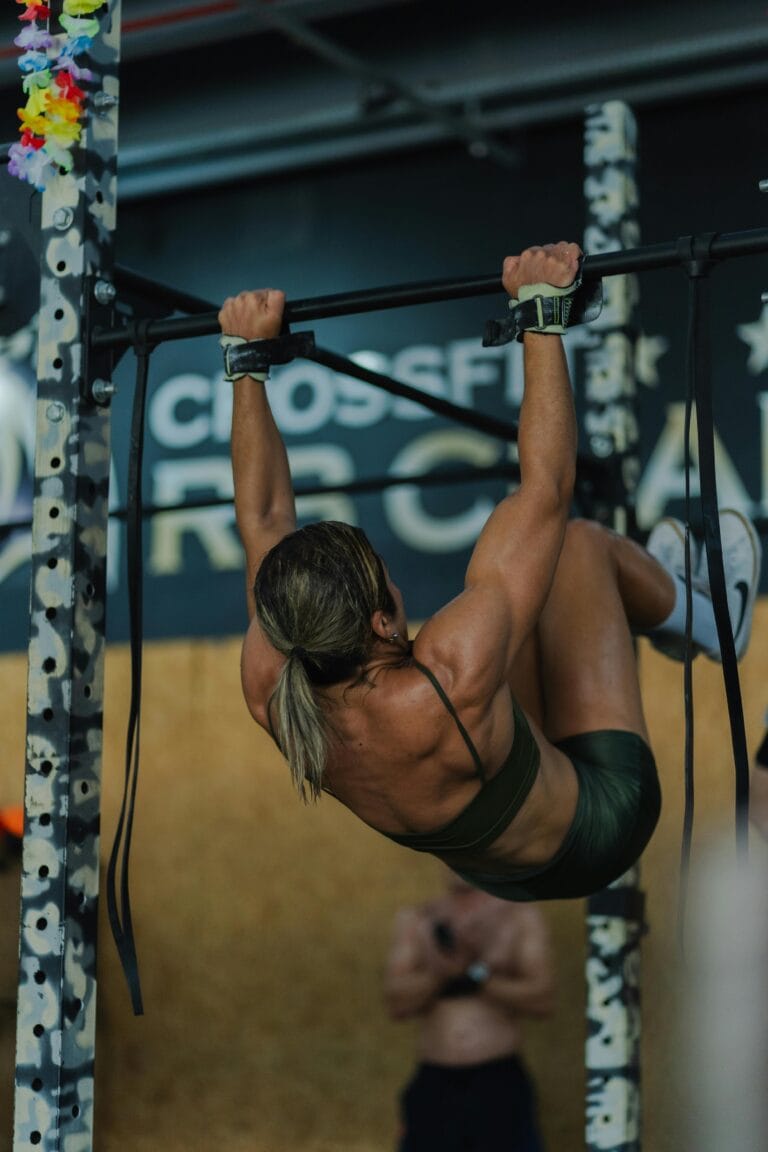
7. The Dead-Hang (Spinal Decompression)
Hanging from a bar for 30 to 60 seconds a day creates space between your vertebrae. Gravity compresses us over time; decompressing the spine helps you maintain your height and improves the “flow” of fluids through your joints.
8. The Glute Bridge (Lower Body Scaffolding)
Lying on your back and lifting your hips engages the gluteus maximus—the largest muscle in the body. Strong glutes support the lower back and ensure your walk remains springy rather than a “shuffle.”
9. The Bird-Dog (Cross-Body Stability)
From all fours, extend your opposite arm and leg. This forces the deep “multifidus” muscles along the spine to fire. A stable spine is the foundation for a youthful, confident carriage.
10. The Wall Sit (Isometric Lower Body Strength)
Holding a squat against the wall for one minute builds incredible endurance in the quads. This protects the knees and ensures you can get up and down from chairs or the floor without “groaning”—a major psychological marker of aging.
11. The Turkish Get-Up (Proprioception)
This complex move involves moving from the floor to a standing position while holding a weight overhead. It is the ultimate “brain-body” exercise, keeping your balance sharp and your joints coordinated.
12. The Single-Leg Stance (Balance Integrity)
Standing on one leg while brushing your teeth sounds simple, but it forces the tiny stabilizers in your ankles and hips to stay active. Loss of balance is a key aging marker; this keeps your nervous system “young.”
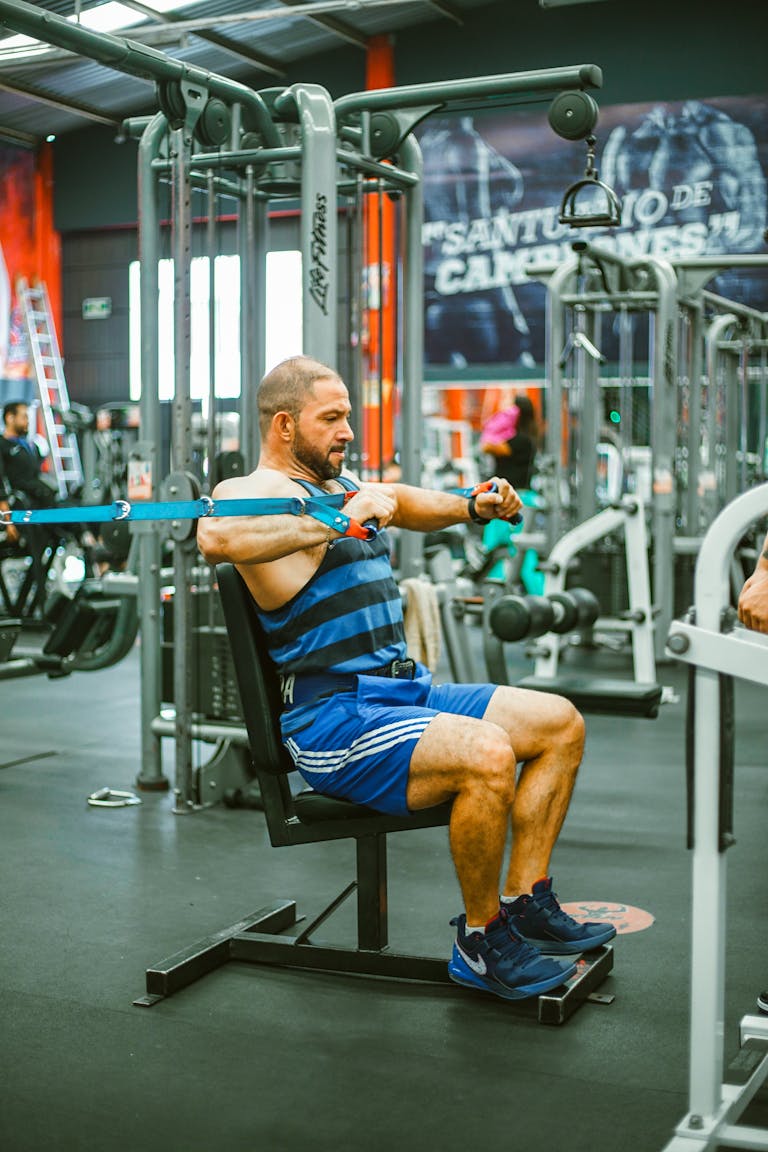
13. The Face Pull (Rear Delt Definition)
Using a resistance band, pull toward your face while keeping your elbows high. This targets the rear deltoids, which are crucial for “holding back” the shoulders and maintaining a youthful upper-body silhouette.
14. The Hip Opener (The Psoas Release)
A tight psoas (hip flexor) pulls your pelvis into a tilt, making your stomach “pooch” out and your lower back arch. Stretching and strengthening the hips keeps your midsection looking flat and functional.
15. The Wrist and Ankle Circle (Circulatory Flush)
Never neglect the extremities. Rolling your wrists and ankles daily prevents the “stiff” look in your hands and feet, keeping your fine motor skills and your “push-off” strength intact.
The Longevity Benefit: Blood Flow and Collagen
When you perform these exercises, you aren’t just building muscle; you are increasing Localized Circulation. For the face, this means delivering a “nutrient bath” of oxygenated blood to the skin cells. This stimulates fibroblasts, the cells responsible for producing collagen and elastin.
Physical therapists also point out that muscle is a highly “metabolic” tissue. The more muscle mass you maintain as you age, the better your body manages blood sugar and inflammation. Since “Inflammaging” is one of the primary drivers of skin breakdown, keeping your muscles active is essentially an internal anti-aging treatment that works 24/7.
Related Articles
- Stop Feeling “Rusty”: The 5-Minute Mobility Routine That Keeps Your Hips and Back Fluid After 50
- Scientists Just Identified the One Exercise That Protects Your Brain Better Than Swimming or Cycling — and Most People Are Already Ignoring It
- Stop Shin Splints Now: Simple Fixes Every Runner Needs
- How to Warm Up Before a Walking Workout: The Expert 3-Move Routine That Prevents Pain
- I Tried 5 Stretches Recommended by Yoga Teachers, PTs and Trainers — These Actually Fixed My Pain