FREE SHIPPING OVER $50

The Shower Mistake a Viral Dermatologist Says Is Aging Your Skin Faster Than the Sun Ever Could

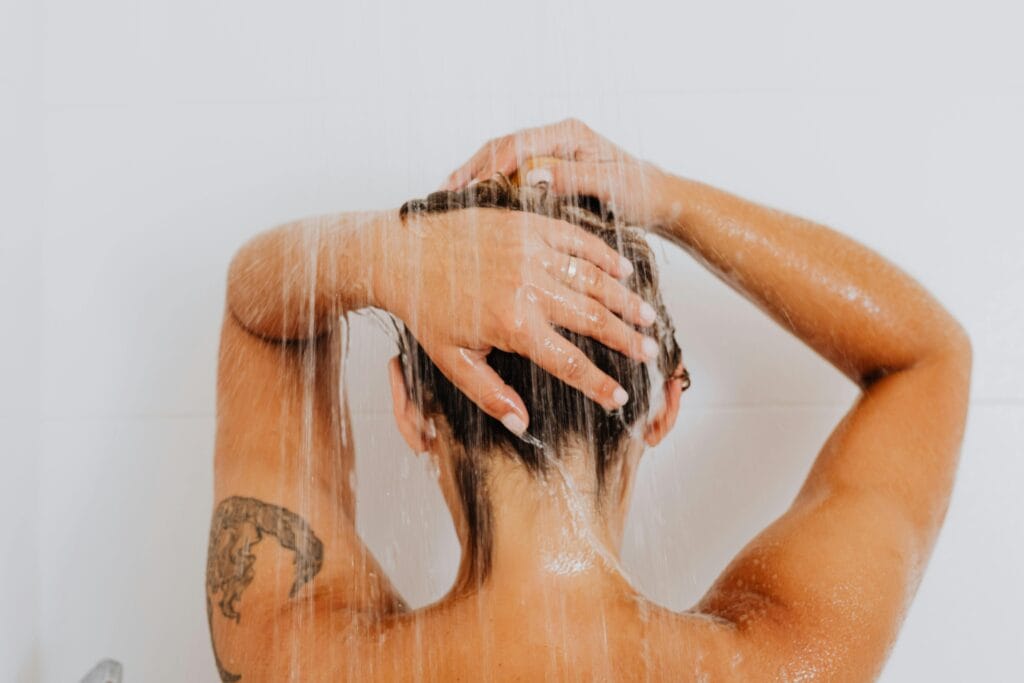
While most of us religiously apply sunscreen to fight off the ticking clock of photo-aging, we often step into the shower and unknowingly undo all that hard work in under ten minutes. A viral warning from top dermatologists has recently set the longevity community on fire by exposing a common hygiene habit as a primary driver of “inflammaging” and collagen degradation. This daily thermal shock can lead to micro-inflammation that degrades your skin’s elasticity faster than UV rays, turning a refreshing shower ritual into a direct assault on your biological youth.
The “Acid Mantle” Crisis: Why Your Barrier Matters
Your skin is not just a covering; it is a complex, living organ protected by a thin, slightly acidic film known as the Acid Mantle. This layer consists of sebum (natural oils) mixed with amino acids and sweat. Its primary job is to act as a “Youth Shield,” keeping moisture locked inside while blocking out environmental toxins and harmful bacteria.
When you use excessively hot water, you aren’t just cleaning your skin; you are effectively degreasing it. Think of it like washing a greasy pan with boiling water; the fats melt away instantly. On your body, this “melt” removes the very lipids that prevent Transepidermal Water Loss (TEWL). Without this oily seal, the water deep inside your dermis evaporates into the air, leading to the crepey texture and fine lines we usually associate with much older skin.
The Collagen Connection: How Heat Triggers Aging
Beyond surface-level dryness, the “shower mistake” goes deeper into the structural layers of your skin. High-temperature water triggers a localized inflammatory response. In the longevity space, we call this “Inflammaging.” Chronic inflammation produces enzymes called Matrix Metalloproteinases (MMPs). These enzymes have one specific job: to break down collagen and elastin.
When you subject your skin to high heat daily, you are keeping these collagen-chomping enzymes in a state of constant activation. While sun damage causes “clumping” of elastin, thermal damage from hot showers leads to a generalized thinning of the skin. This makes your skin look more translucent, saggy, and less capable of “bouncing back” when you move.
Environmental Aging: Sun vs. Scalding Showers
| Feature | UV Ray Damage (Sun) | Thermal Damage (Hot Showers) |
| Primary Victim | DNA and Elastin fibers | Acid Mantle and Lipid Barrier |
| Visual Result | Pigmentation and Deep Wrinkles | Crepey Texture and Sagging |
| Cellular Impact | Oxidative Stress | MMP Enzyme Activation (Collagen Loss) |
| Frequency | Intermittent (Seasonal) | Chronic (Daily) |
| Recovery Time | Long-term repair needed | Immediate moisture loss |
The Three Pillars of a Longevity-Focused Shower
To fix this aging mistake, you don’t have to give up your daily wash. Instead, you need to adopt a “Dermatological Reset” that treats your skin like the delicate biological hardware it is.
1. The “Tepid” Temperature Shift
The most important change is the temperature. If your skin is turning red, the water is too hot. You should aim for lukewarm water—roughly the temperature of a heated pool. This provides the cleaning power required to remove dirt without reaching the “melting point” of your essential skin lipids.
2. The 10-Minute Limit
Water is a solvent. Even at a perfect temperature, prolonged exposure to water eventually dilutes and washes away the Natural Moisturizing Factors (NMFs) in your skin. Viral dermatologists suggest a “Power Shower” approach: get in, get clean, and get out within five to ten minutes to minimize the time your skin barrier is under pressure.
3. The “Soaping” Strategy
Stop lathering your entire body from head to toe every single day. Unless you have spent the day doing manual labor, your arms, legs, and trunk rarely need aggressive detergent. Focus your soap usage on “high-density” areas like the underarms and feet. This allows the rest of your skin to maintain its natural oil balance, preserving your “Youth Shield” where you need it most.
The Hard Water Problem: A Hidden Aging Catalyst
For many Americans, the temperature isn’t the only problem; it is the chemistry of the water itself. Hard water contains high levels of minerals like calcium and magnesium. These minerals don’t just sit on the skin; they react with your soap to create “scum”—a film that clogs pores and further irritates the skin barrier.
This mineral film acts as a constant irritant, triggering more inflammation and dryness. If you live in a hard water area, no amount of expensive moisturizer can fix the damage being done by your shower head. Longevity experts often recommend installing a high-quality shower filter. This simple “bio-hack” removes chlorine and heavy metals, significantly reducing the oxidative stress placed on your skin every morning.
The “Three-Minute Rule” for Post-Shower Repair
The most critical window for skin longevity happens the moment you turn off the water. This is known as the Three-Minute Rule. When you step out of the shower, your skin is saturated with water, but that water will evaporate within minutes, taking your skin’s internal moisture with it.
To stop the “Collagen Drain,” you must apply a ceramide-rich moisturizer while your skin is still damp. Ceramides are the “mortar” between your skin-cell “bricks.” By applying them to damp skin, you trap that hydration in place and manually replace the lipids that were lost during the washing process. This creates an artificial barrier that protects your skin while your body works to regenerate its natural acid mantle.
Microbiome Preservation: The Future of Skin Longevity
Now, we understand that our skin is home to a massive ecosystem of beneficial bacteria known as the Microbiome. These bacteria produce antimicrobial peptides that protect against aging-related infections and inflammation.
Traditional “anti-bacterial” soaps are like a scorched-earth policy for your skin’s ecosystem. They kill the “good guys” along with the bad, leaving your skin defenseless and prone to “inflammaging.” Transitioning to a pH-balanced, non-soap cleanser allows you to remove grime while keeping your microscopic protectors alive. A healthy microbiome is your best natural defense against the thinning and sensitivity that characterize aged skin.
Active Ingredients to Look for in Shower Products
If you want to turn your shower into an anti-aging treatment rather than a danger zone, you need to audit your ingredient list. Look for these “Longevity Heroes” in your body washes:
- Niacinamide (Vitamin B3): Helps the skin produce more ceramides and strengthens the barrier.
- Glycerin: A humectant that pulls moisture from the air into your skin.
- Colloidal Oatmeal: Soothes inflammation and protects the acid mantle.
- Squalane: A plant-derived oil that mimics your skin’s natural sebum.
Ingredients to Avoid:
- Sodium Lauryl Sulfate (SLS): A harsh detergent that strips lipids.
- Synthetic Fragrances: The leading cause of contact dermatitis and “micro-inflammation.”
- Alcohol: Evaporates quickly and takes your skin’s moisture with it.
Related Articles
- I’m 55 but Look 35: The 7-Minute Morning Routine Dermatologists Won’t Tell You
- Why Mandelic Acid Is the Winter Skin Upgrade Dermatologists Quietly Recommend
- Stop Drinking These 5 Beverages Dermatologists Say Cause Wrinkles — Swap Them to Avoid Premature Aging
- Stop Wasting Money: The Only 5 Longevity Supplements a Harvard MD Actually Recommends
- Can Creatine and Protein Help Seniors Who Don’t Work Out? The Answer Might Surprise You