FREE SHIPPING OVER $50

3 Months of Torture: I Hated Intermittent Fasting, But My Doctor Said This ONE Shocking Result Made the Hunger Worth It

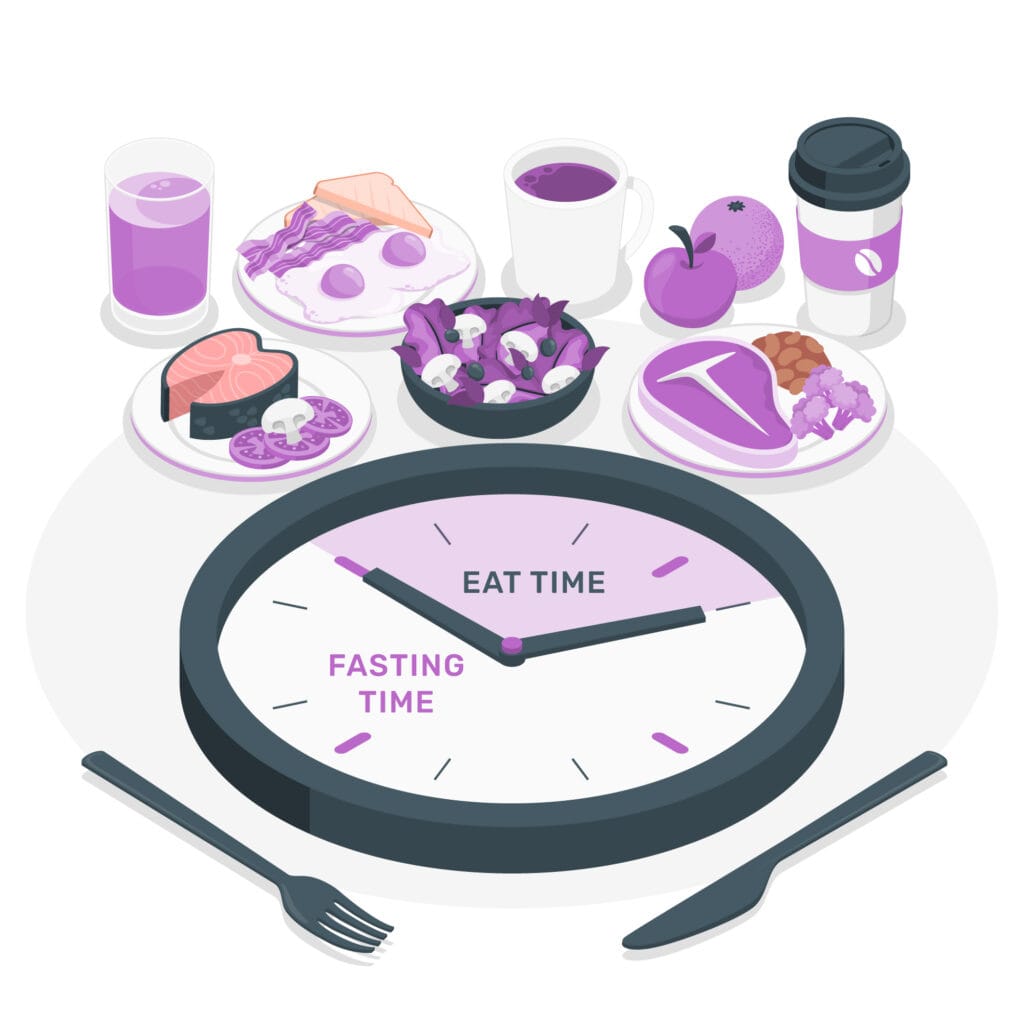
I jumped onto the Intermittent Fasting (IF) bandwagon because, like millions of others, I was looking for a weight loss miracle. Specifically, I chose the popular 16:8 method, which meant skipping breakfast and delaying my first meal until noon every single day for 3 months. Let me be honest: those first few weeks were torture. The headaches were relentless, the brain fog was real, and the hunger felt like a constant, aggressive companion. I was convinced I had made a huge mistake; every day felt like a grim battle against my own stomach, and frankly, I hated it.
I stuck with it purely out of stubbornness, clinging to the hope of seeing the weight loss results everyone raved about. While the scale did move (a solid 15 pounds over 90 days), the constant struggle made me ready to quit the minute the experiment was over. Yet, when I finally went in for my physical, and my doctor reviewed my bloodwork, she pointed to ONE shocking result on the lab report. She explained that this single change was so profound for my long-term health that it superseded the weight loss entirely, making those 3 months of gut-wrenching hunger completely worth it. It transformed my view of IF from a miserable diet to a necessary longevity tool.
The Hunger Games: Why IF is So Hard in the Beginning
Before we reveal the shocking result, let’s dive into why Intermittent Fasting often feels like a punishment rather than a sustainable lifestyle in the early stages, and why this struggle is actually a key to the underlying health benefits.
The Insulin Rollercoaster
The modern Western diet is built on a cycle of constant eating, which keeps the fat-storing hormone, insulin, perpetually elevated.
- The Cycle: When you eat, particularly refined carbohydrates, your blood sugar spikes, and insulin swoops in to move that sugar into cells for energy or storage. As insulin clears the sugar, your blood sugar drops rapidly, triggering the physical sensation of hunger and intense cravings.
- The IF Battle: When you start fasting, your body is used to being fed every few hours. It takes time for your system to adjust to the absence of food. Your body has to learn to stop relying on readily available glucose and start tapping into stored body fat for fuel—a process called metabolic flexibility. That period of transition, where your body is retraining its fuel source, is where the relentless hunger and misery live.
The Leptin and Ghrelin Chaos
Two other hormones control your appetite: Leptin (the “satiety” hormone) and Ghrelin (the “hunger” hormone).
- The Imbalance: Chronic overeating can lead to Leptin resistance, meaning your brain no longer hears the signal that you are full. When you start IF, your Ghrelin levels initially spike aggressively during your usual eating times, leading to that crushing, ritualistic hunger. Over time, IF helps re-sensitize your body to Leptin and regulate those Ghrelin spikes, but the start is truly rough.
The Shocking Result: Protecting Your Body’s Engine
The most common reason people embark on IF is weight loss, but the doctor focused on a far more crucial, internal indicator of future health and longevity.
The Critical Marker: Insulin Sensitivity
The shocking result my doctor highlighted was a profound improvement in my insulin sensitivity, indicated by a dramatic drop in my fasting insulin levels.
- What is Insulin Sensitivity? It is your cells’ ability to respond effectively to insulin and correctly absorb blood sugar. When your cells become insulin resistant (a precursor to Type 2 diabetes and many age-related diseases), your pancreas has to pump out more and more insulin to get the job done.
- The Danger of High Insulin: High circulating insulin is not just an indicator of pre-diabetes; it is a primary driver of chronic inflammation, high blood pressure, belly fat storage (visceral fat), and accelerated cellular aging. In fact, many doctors now view high fasting insulin as a better predictor of heart disease and mortality than high cholesterol.
Why IF is the Best Fix
Intermittent Fasting addresses insulin resistance in a way that simple caloric restriction often misses.
- The Fasting Window: Every hour you are fasting, your insulin levels drop to a baseline. This gives your cells a much-needed break from the hormone. This prolonged period of low insulin allows the receptors on your cells to “clean up” and become far more sensitive to insulin when you finally do eat. It essentially reboots the system.
- The Doctor’s Verdict: My doctor explained that by improving my insulin sensitivity so significantly, I had drastically lowered my personal risk factors for developing Type 2 diabetes, non-alcoholic fatty liver disease, and cardiovascular issues, effectively adding healthy years to my life. This single health benefit was the real prize, making the hunger a worthwhile trade-off for longevity.
Expanding the Benefits: Beyond the Shocking Result
While insulin sensitivity was the most critical finding, my doctor confirmed several other profound metabolic shifts that solidified IF’s status as a powerhouse health tool.
1. Cellular Clean-Up (Autophagy)
During the fasting window, the body initiates a process called autophagy (Greek for “self-eating”).
Getty Images
- How It Works: Autophagy is a process where cells break down and recycle damaged components, misfolded proteins, and worn-out mitochondria. This cellular clean-up is essential for maintaining cell health and is strongly linked to fighting aging and neurodegenerative diseases. IF is one of the most reliable natural triggers for initiating autophagy.
2. Metabolic Flexibility
Before IF, my body relied almost exclusively on burning glucose (sugar) from my last meal for energy.
- The Shift: Fasting trained my body to easily switch between burning glucose and burning fat (stored body fat) as fuel. This metabolic flexibility is why hunger eventually subsides. Once your system can readily tap into fat stores for energy, the frantic signal for external food disappears, leading to stable energy and reduced cravings.
3. Gut Health Improvement
The periodic break from digestion allows the gut lining time to heal and the migrating motor complex (MMC) to work.
- The MMC: The MMC is the gut’s self-cleaning wave that sweeps away residual food and bacteria between meals. Fasting gives the MMC the uninterrupted time it needs to work effectively, which is vital for preventing Small Intestinal Bacterial Overgrowth (SIBO) and improving overall digestive health.
Surviving the Hunger: 3 Secrets That Made It Manageable
Despite the amazing results, I still needed strategies to cope with the mental and physical torture of early fasting. These secrets helped me push through the 3 months.
Secret 1: Hydration and Electrolytes
The early fasting headaches are often caused by dehydration and electrolyte imbalance, not necessarily true hunger.
- The Fix: I learned to aggressively drink water and black coffee, but the biggest game-changer was adding a pinch of high-quality sea salt (sodium) and a magnesium supplement to my routine. This replenished the electrolytes flushed out by the drop in insulin, effectively killing the headaches and dramatically reducing the initial hunger pangs.
Secret 2: Black Coffee is Your Friend
Black coffee (or unsweetened tea) is a zero-calorie powerhouse during the fasting window.
- The Power: Caffeine is a mild appetite suppressant, but more importantly, it makes the fasting period easier mentally. It gave me a routine and a pleasant liquid to sip during the toughest hours, from 8 AM to 12 PM, effectively distracting my body from the hunger signals.
Secret 3: Strategic Exercise
Instead of avoiding exercise, I strategically placed my workouts toward the end of my fasting window.
- The Result: Light strength training or brisk walking during that period actually increased my energy and released endorphins, which distracted me from the hunger. Furthermore, exercising in a fasted state forces the body to mobilize fat stores faster, accelerating the transition to metabolic flexibility and reducing the overall time I spent feeling hungry.
Conclusion
My 3 months with Intermittent Fasting were far from easy; the struggle against hunger was a constant challenge that often felt like torture. However, the experience became invaluable when my doctor revealed the shocking result: the profound improvement in my insulin sensitivity. This change meant I had actively reversed a dangerous pre-diabetic trend and significantly reduced my risk of developing age-related chronic diseases. The weight loss was great, but the longevity health benefit was the true, life-altering reward that made every minute of deprivation entirely worth it. IF is not a magic pill, but it is a powerful, science-backed tool that fundamentally changes your metabolism for the better.
Related Articles
- The 4 Hidden Mistakes Sabotaging Your Weight Loss (Nutritionist Reveals What No One Tells You)
- Why Authentic Pasta Doesn’t Wreck Your Blood Sugar (Unlike the Carbs Most Americans Eat)
- Want Better Sleep and Faster Fat Burn? Here’s the Exact Time to Eat Avocado
- Stop Fearing Fruit: 5 Science-Backed Reasons Diabetics Can Eat It Daily Without Spiking Blood Sugar
- Struggling With Blood Sugar? These 5 Whole Grains Help Reverse Insulin Resistance Naturally