FREE SHIPPING OVER $50

12 Fermented Foods That Gastroenterologists Eat Every Single Day to Stop Their Gut From Aging (You’ll Kick Yourself for Ignoring #5)

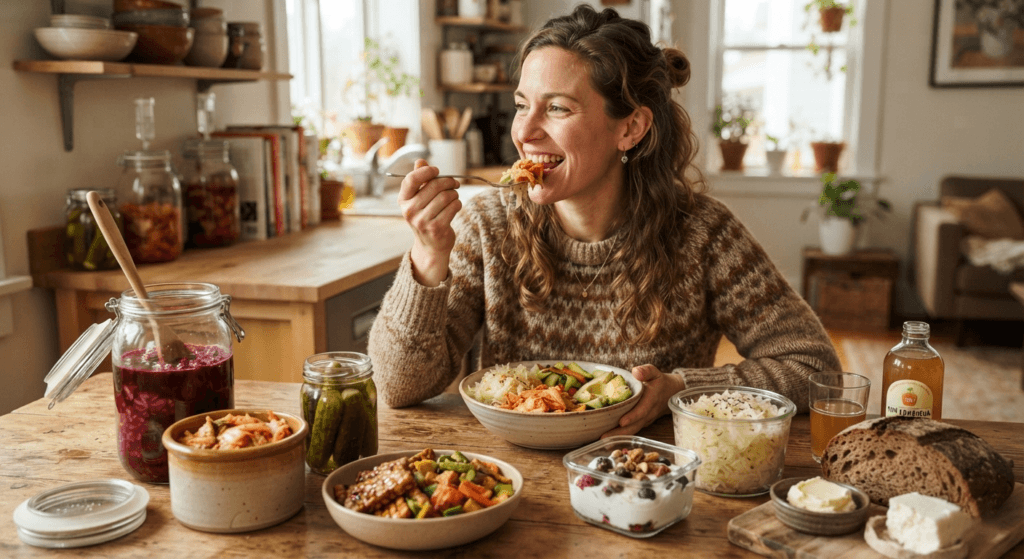
When your digestion starts feeling sluggish, bloated, or unpredictable, your gut microbiome is often sending an urgent SOS signal that its cellular clock is ticking much faster than your calendar age. Most people assume that digestive decline is just an inevitable part of growing older, but top gastroenterologists know a powerful secret: your gut bacteria do not have to age on a fixed timeline. By adding live, microbe-rich fermented foods to your daily routine, you can reseed your digestive tract with beneficial bacteria, strengthen your gut lining, and turn back the clock on your internal ecosystem.
The Science of Gut Aging: Why Your Microbiome Gets Old Before You Do
Inside your large intestine, trillions of bacteria, fungi, and micro-organisms work around the clock to digest fiber, produce critical vitamins, and regulate your immune system. Doctors refer to this complex internal community as your gut microbiome.
As time passes, factors like chronic stress, processed diets, environmental toxins, and frequent antibiotic use cause your microbiome to lose its structural diversity. Scientists call this age-related decline gut dysbiosis.
When beneficial bacterial populations drop, several physical changes happen inside your body:
- Thinning Mucosal Barrier: The protective layer of mucus lining your intestinal wall becomes thin and fragile.
- Leaky Gut Syndrome: Microscopic gaps open between intestinal cells, allowing toxins and undigested food particles to leak directly into your bloodstream.
- Loss of Short-Chain Fatty Acids: Friendly bacteria produce less butyrate, a critical fatty acid that fuels gut cells and stops systemic inflammation.
- Inflammaging: Chronic, low-grade inflammation spreads from your gut throughout your entire body, accelerating joint stiffness, brain fog, and cellular decay.
Gastroenterologists do not rely solely on fiber supplements or synthetic probiotic pills to fix this issue. Instead, they eat living, whole fermented foods that deliver resilient bacterial strains directly to their digestive tract every day.
12 Fermented Foods Gut Doctors Eat Every Single Day
Integrating a variety of fermented foods into your daily meals provides a continuous supply of diverse bacterial strains that work synergistically to keep your gut young, resilient, and active.
1. Plain Unsweetened Kefir
Kefir is a fermented milk drink made using specialized starter grains containing symbiotic yeast and bacteria. While standard yogurt contains two to four bacterial strains, high-quality liquid kefir packs over thirty distinct strains of beneficial microbes. It acts like a powerful liquid probiotic, actively colonizing your intestinal walls and helping digest lactose even if you are normally dairy-sensitive.
2. Raw Unpasteurized Kimchi
This traditional Korean staple consists of fermented Napa cabbage, radishes, garlic, ginger, and chili peppers. Raw kimchi is bursting with Lactobacillus plantarum, a hardy bacterial strain proven to withstand harsh stomach acid and thrive in the colon. The combination of pre-fermented fiber and potent garlic compounds creates an ideal environment for rapid microbiome rejuvenation.
3. Real Traditional Sauerkraut
Do not confuse store-bought canned sauerkraut soaked in vinegar with authentic, naturally fermented sauerkraut. Real sauerkraut requires only fresh cabbage and sea salt, allowing natural lactic acid bacteria to multiply over weeks. Just two tablespoons of raw sauerkraut deliver billions of active live cultures alongside digestive enzymes that break down heavy meals effortlessly.
4. Plain Greek Yogurt
Greek yogurt remains a daily staple for digestive specialists because of its high protein content and rich concentrations of Lactobacillus bulgaricus and Streptococcus thermophilus. The strain-straining process removes most of the liquid whey, resulting in a dense, creamy food that coats your stomach lining while delivering calcium and active probiotics. Always choose plain varieties to avoid sugar-fueled yeast overgrowth.
5. Natto (The Underrated Gut Superstar You Shouldn’t Ignore)
Many people quickly dismiss natto due to its powerful pungent smell and sticky, stringy texture, but gut doctors consider it the absolute holy grail of anti-aging foods. Made by fermenting whole soybeans with a unique bacterial strain called Bacillus subtilis, natto produces a potent enzyme named Nattokinase alongside the world’s highest naturally occurring concentration of Vitamin K2.
- Bacillus subtilis spores survive stomach acid with a near 100 percent survival rate, reaching your lower intestine completely intact.
- Nattokinase breaks down arterial plaque and supports healthy blood circulation throughout your digestive organs.
- Vitamin K2 directs calcium away from your blood vessels and into your bones, guarding against tissue calcification.
Ignoring natto means missing out on one of the most clinically effective gut-healing foods on the planet. Mixing it with a small dab of mustard, tamari, or warm rice makes its earthy flavor profile much more enjoyable for beginners.
6. Low-Sugar Brewed Kombucha
Kombucha is an effervescent tea fermented by a symbiotic culture of bacteria and yeast (SCOBY). During the fermentation process, healthy yeast converts tea sugars into organic acids, including acetic acid and glucuronic acid. These natural acids support liver detoxification pathways, kill off harmful pathobionts in your gut, and provide a light, refreshing alternative to sugary sodas.
7. Traditional Miso Paste
Miso is created by fermenting soybeans with salt and a specialized fungal culture known as Koji (Aspergillus oryzae). Rich in protective enzymes and savory umami flavor, a simple warm mug of miso soup before meals stimulates your stomach’s natural hydrochloric acid production, ensuring your body breaks down complex proteins efficiently as you age.
8. Organic Tempeh
Unlike processed soy isolates, tempeh is made from whole soybeans pressed into a firm cake and fermented with beneficial mold cultures. This unique fermentation process reduces anti-nutrients like phytic acid while packing the food with dense plant protein, prebiotic fiber, and highly bioavailable minerals that feed your existing friendly gut flora.
9. Lacto-Fermented Pickles
True fermented pickles are aged in a simple sea salt and water brine rather than distilled white vinegar. This natural brine environment allows wild lactic acid bacteria to transform crisp cucumbers into probiotic powerhouses. They restore natural digestive fluid balance and offer a refreshing, low-calorie way to boost your daily microbial intake.
10. Beet Kvass
Originating in Eastern Europe, beet kvass is a vibrant, earthy fermented tonic made by fermenting raw sliced beets in salty brine. It combines the probiotic benefits of active fermentation with dietary nitrates from beets, improving vascular endothelial function and delivering smooth blood flow directly to your digestive organs.
11. Aged Raw Milk Cheese
Aged cheeses like authentic Gouda, Cheddar, Gruyère, and Parmesan are aged long enough for beneficial bacteria to ferment milk sugars completely. The dense protein matrix of aged hard cheese acts as a protective shield, protecting live probiotics as they travel through your stomach’s acidic environment into your lower digestive tract.
12. Raw Apple Cider Vinegar with “The Mother”
Raw, unfiltered apple cider vinegar contains “the mother”—a cloudy web of beneficial proteins, enzymes, and friendly bacteria. Taking a tablespoon diluted in water before meals improves insulin sensitivity, increases stomach acidity for smoother digestion, and prevents post-meal bloating and acid reflux.
Key Probiotic & Nutritional Breakdown
Not all fermented foods perform the same role inside your digestive ecosystem. Mixing different fermented options ensures you cover all your nutritional and biological bases.
| Fermented Food | Key Active Microbe or Nutrient | Primary Gut Benefit | Recommended Daily Portion |
| Kefir | L. kefiranofaciens & yeasts | Broad-spectrum gut colonization | 1/2 to 1 cup daily |
| Kimchi | Lactobacillus plantarum | Reduces systemic intestinal inflammation | 1/4 cup daily |
| Natto | Bacillus subtilis & Vitamin K2 | Protects gut mucosa & cleans blood vessels | 1 to 2 tablespoons daily |
| Miso | Aspergillus oryzae | Stimulates digestive enzymes before meals | 1 cup warm broth daily |
| Raw Sauerkraut | Leuconostoc mesenteroides | Rebuilds stomach acid & mucosal barrier | 2 tablespoons daily |
How to Add Fermented Foods to Your Diet Without Bloating
If your gut is not used to receiving live bacteria, throwing huge amounts of fermented foods into your diet overnight can trigger temporary gas, rumbling, or mild bloating. You can easily avoid these uncomfortable symptoms by following a simple three-step ramp-up strategy:
- Start Small: Begin with just one teaspoon of sauerkraut juice or one tablespoon of kefir per day. Allow your digestive tract three to four days to adapt before gradually increasing your intake.
- Keep Temperature Low: High heat destroys live bacteria. Never boil your kimchi, cook your yogurt, or microwave your miso paste if you want to preserve active probiotics.
- Pair with Prebiotic Fiber: Probiotics need fuel to thrive. Feed your new friendly bacteria by eating prebiotic-rich foods like garlic, onions, asparagus, green bananas, and oats alongside your fermented meals.
Related Articles
- The 5 Worst Foods to Eat as Leftovers, According to a Microbiologist (Stomach Cramps Are Just the Beginning)
- Eat These 6 Foods Daily and Watch Your Testosterone Soar—Science Says Older Men Who Do This Have the T‑Levels of 30‑Year‑Olds
- Dietitian Ranks the 10 Best Sugar Alternatives—The #10 Pick Tastes Just Like Real Sugar but Doesn’t Spike Insulin
- Eat These 10 Foods If You Like Keeping Your Blood Sugar in Check (Or Just Enjoy Feeling Amazing)
- 10 No Sugar Snacks You’ll Want to Keep Stocked at All Times