FREE SHIPPING OVER $50

Why Your Morning Coffee Might Be Sabotaging Your Gut — And What to Do

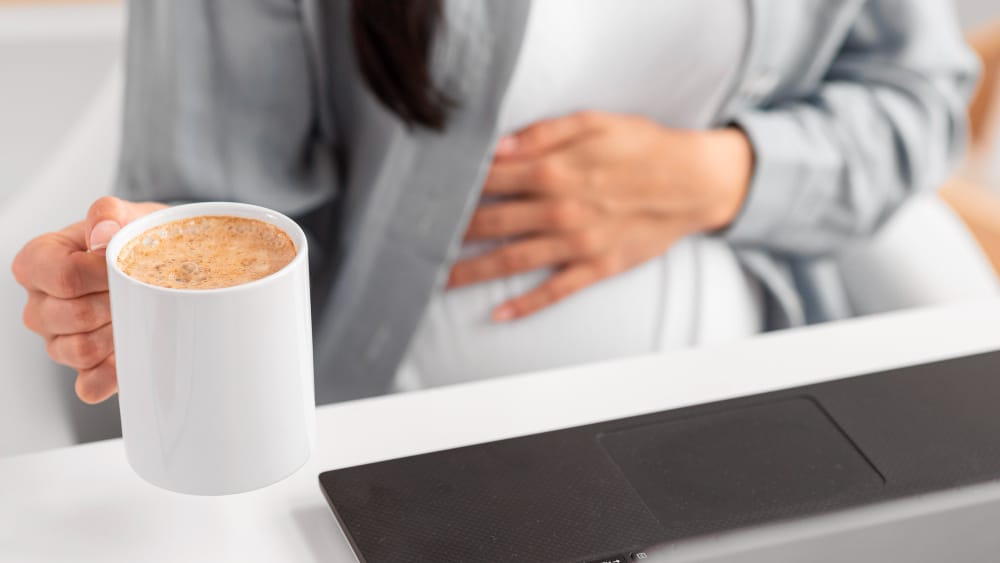
For many of us, the day doesn’t truly begin until the first drop of caffeine hits our system. That aromatic cup of morning coffee is more than just a beverage; it is a ritual that promises mental clarity and the energy to tackle a busy schedule. However, for a significant number of people, that same cup of coffee is the primary culprit behind mid-morning bloating, acid reflux, and a general sense of digestive unease. While we often blame the cream or sugar we add to the brew, the coffee itself contains complex chemical compounds that can act as a “gut disruptor” if consumed at the wrong time or in the wrong way.
The relationship between coffee and your digestive tract is a delicate dance of hormonal triggers and chemical reactions. When you drink coffee on an empty stomach, you are essentially hitting the “gas pedal” on your digestive system before it has any fuel to process. This results in a surge of hydrochloric acid and a spike in gastrin, the hormone responsible for stimulating gastric motility. While this might help some people “stay regular,” for others, it leads to an overactive gut that flushes nutrients too quickly and leaves the stomach lining irritated. To save your gut health, you don’t necessarily have to give up your caffeine habit, but you do need to understand the biological cost of that first sip.
The Chemistry of the Coffee-Gut Conflict
Coffee is a pharmacologically active substance, meaning it does far more than just “wake you up.” It contains over 800 volatile compounds, including caffeine, chlorogenic acids, and N-alkanoyl-5-hydroxytryptamides. These ingredients interact with your gut lining in several specific ways that can contribute to systemic inflammation and poor digestion.
1. The Hydrochloric Acid Surge
Your stomach naturally produces hydrochloric acid (HCl) to break down proteins. However, coffee—even the decaf variety—stimulates the production of HCl. When you drink it without food, there is nothing for that acid to dissolve except for the protective lining of your stomach. Over time, this can lead to gastritis or the worsening of stomach ulcers. This is often why people feel a “gnawing” sensation in their gut about thirty minutes after their morning cup.
2. The Gastrin Spike and “The Run”
Coffee is a powerful stimulant of gastrin, which tells your colon to start moving. While this helps prevent constipation, it can be too effective. If the muscles in your colon contract too aggressively (a process called peristalsis), food moves through your system too fast. This doesn’t give your small intestine enough time to absorb water and nutrients, leading to loose stools and a “rushed” digestive experience that leaves you feeling depleted.
3. Lower Esophageal Sphincter (LES) Relaxation
If you suffer from heartburn or GERD, your morning coffee is likely the “silent saboteur.” Caffeine has been shown to relax the Lower Esophageal Sphincter (LES)—the muscular valve that keeps stomach acid from splashing up into your throat. When this valve stays open, you experience that familiar burning sensation. This is especially common when drinking coffee while sitting at a desk or driving, where your posture further compresses the stomach.
Coffee vs. Gut Markers
| Feature | Gut-Friendly Intake | Gut-Sabotaging Intake |
| Timing | Post-breakfast (full stomach). | Pre-breakfast (empty stomach). |
| Acidity Level | Cold brew or dark roast. | Light roast or instant. |
| Additives | Grass-fed butter or collagen. | Artificial sweeteners or syrups. |
| Hormonal Impact | Balanced cortisol. | Excessive cortisol spike. |
| Hydration Status | Paired with 12oz water. | Consumed in isolation. |
The “Morning Bloat” Trap: Why You Feel Puffy
Bloating is often a sign of “delayed gastric emptying” or an imbalanced microbiome. When you drink coffee, you are essentially telling your body to enter “fight or flight” mode. This shift in the nervous system pulls blood flow away from the digestive tract and toward the muscles and brain. Consequently, if you eat a meal immediately after or during your coffee, that food may sit in your stomach longer than intended.
When food sits, it ferments. This fermentation produces gas, which results in the uncomfortable “distended” feeling that ruins your morning productivity. Furthermore, many people are sensitive to the mold toxins (mycotoxins) often found in low-quality, mass-produced coffee beans. These toxins can trigger a low-level immune response in the gut, causing the intestinal walls to swell and hold onto water, leading to systemic puffiness.
3 Simple Hacks to Fix Your Coffee Habit Today
You don’t have to choose between your brain and your belly. By making a few strategic adjustments, you can neutralize the acidic impact of your brew and support your gut lining.
- Eat Before You Caffeinate: This is the golden rule of gut-friendly coffee. Eating even a small amount of protein or healthy fat (like a hard-boiled egg or half an avocado) provides a “buffer” for the acid. This simple change can reduce the gastrin spike and protect your stomach lining.
- Switch to Dark Roast or Cold Brew: If you love the taste of coffee but hate the heartburn, look for dark roasts. Surprisingly, dark roasts contain a compound that actually inhibits the production of stomach acid. Alternatively, cold brew is steeped for hours in cold water, which results in a 60% lower acid profile than hot-brewed coffee.
- Add a “Digestive Buffer”: Mixing a scoop of collagen peptides or a teaspoon of grass-fed butter into your coffee (the “bulletproof” style) can slow down the absorption of caffeine. This prevents the “jittery” spike in cortisol and provides the gut with amino acids like glycine, which help repair the intestinal lining.
Choosing the Right Beans for Gut Health
If your gut is sensitive, the quality of your beans matters more than the quantity. Conventional coffee is one of the most heavily chemically treated crops in the world. Pesticide residues can disrupt the delicate balance of your microbiome, killing off “good” bacteria like Lactobacillus and allowing “bad” bacteria to thrive.
Look for beans that are organic and third-party tested for mold and mycotoxins. While these “specialty” beans may cost a few dollars more, the lack of chemical irritation will do wonders for your digestion. Additionally, avoid “flavored” coffees, which use synthetic oils and propylene glycol to mimic flavors like vanilla or hazelnut. These chemicals are highly irritating to the gut wall and often contribute to that “rumbly” feeling after your morning cup.
Related Articles
- The “Gut Sweep” Hack: The Tiny Seed That Boosts Fiber by 62% Instantly
- Warning: Your Spicy Diet Might Be Ruining Your Gut. Use This “Cooling” Hack to Instantly Reset Your Metabolism
- Stop Tossing Avocado Seeds—Doctors Reveal the Hidden Benefit You’ll Wish You Knew Sooner
- Doctors Reveal 8 Natural Supplements That Calm Acid Reflux Fast
- These 18 Foods Are Quietly Wrecking Your Gut—Doctors Say It’s Worse Than Sugar