FREE SHIPPING OVER $50

Why Spanish Women Stay Active Into Old Age — And What We Can Learn From Them

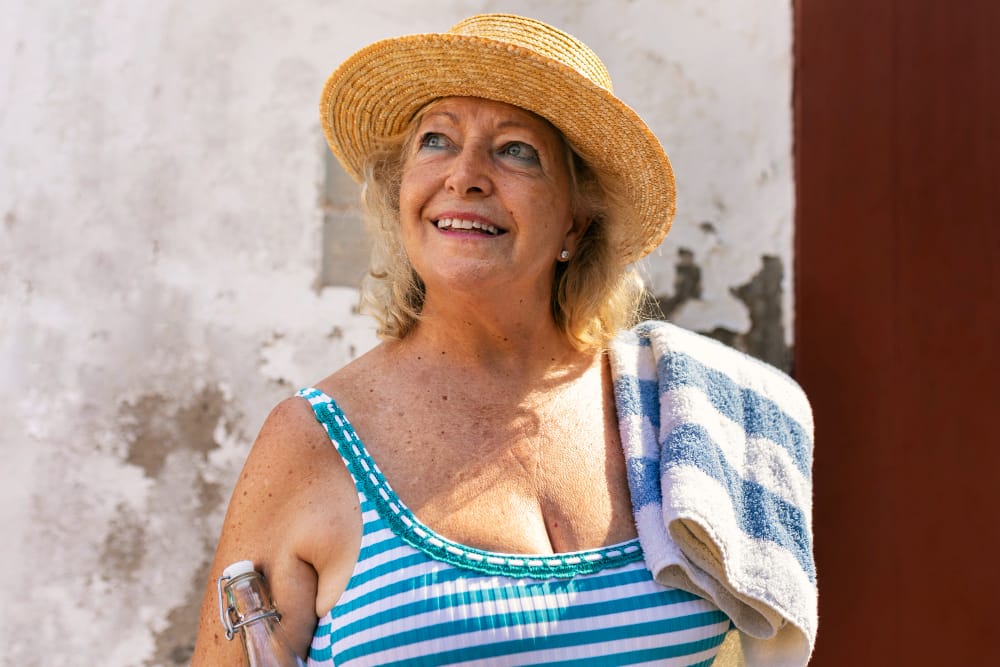
If you look at global longevity charts, Japan usually sits comfortably at the top. But the tides are shifting. Recent data from the Institute for Health Metrics and Evaluation (IHME) suggests that by 2040, Spain is on track to overtake Japan for the longest life expectancy in the world.
If you walk through the sun-drenched streets of Madrid, Seville, or a small coastal village in the Costa Brava, you’ll see the evidence yourself. You won’t just see young people at the cafes; you will see 85-year-old women dressed to the nines, walking briskly to meet friends for a mid-morning coffee or a late-afternoon stroll.
They aren’t just living longer; they are living better. In many parts of the world, we equate old age with hospital beds and restricted mobility. In Spain, aging happens on your feet. These women are remaining active, social, and sharp well into their tenth decade.
So, what is the secret? It isn’t a magic supplement or a trendy boutique fitness class. It is a combination of urban design, a specific way of eating, and a cultural ritual that makes movement unavoidable.
The “Paseo”: The Daily Ritual of Social Walking
The single most important factor in Spanish longevity is likely the Paseo. This is the tradition of the evening stroll. Unlike in the US, where “going for a walk” is often a chore or a dedicated workout in athletic gear, the Paseo is a social event.
Every evening, as the sun begins to set, the streets of Spain fill with people of all ages. Spanish women don’t walk to hit a “step count.” They walk to see their neighbors, to check in on friends, and to be part of the community. This low-intensity, consistent movement is a secret weapon against the chronic diseases that usually plague old age.
When you walk slowly for 30 to 60 minutes every day, you aren’t just burning calories. You are keeping your joints lubricated, your heart muscle resilient, and your blood sugar stable. Because it is social, the Paseo also lowers cortisol levels, reducing the “silent” inflammation that accelerates aging.
Walkability by Design: The Plaza Effect
In many US suburbs, you cannot get a gallon of milk without a car. In Spain, the environment is built for the human foot. Spanish cities are centered around “plazas”—open squares where people congregate.
Everything a person needs—the bakery, the pharmacy, the local market, and the church—is usually within a 10-minute walk. This creates “functional fitness.” An 80-year-old Spanish woman might walk two miles a day just running her basic errands. She isn’t “exercising”; she is simply living her life.
This constant, incidental movement prevents the rapid muscle loss (sarcopenia) that often leads to falls in seniors. By navigating cobblestone streets and stairs daily, these women maintain their balance and proprioception—the brain’s ability to know where the body is in space—without ever stepping foot in a gym.
The Spanish Mediterranean Diet: More Than Just Salad
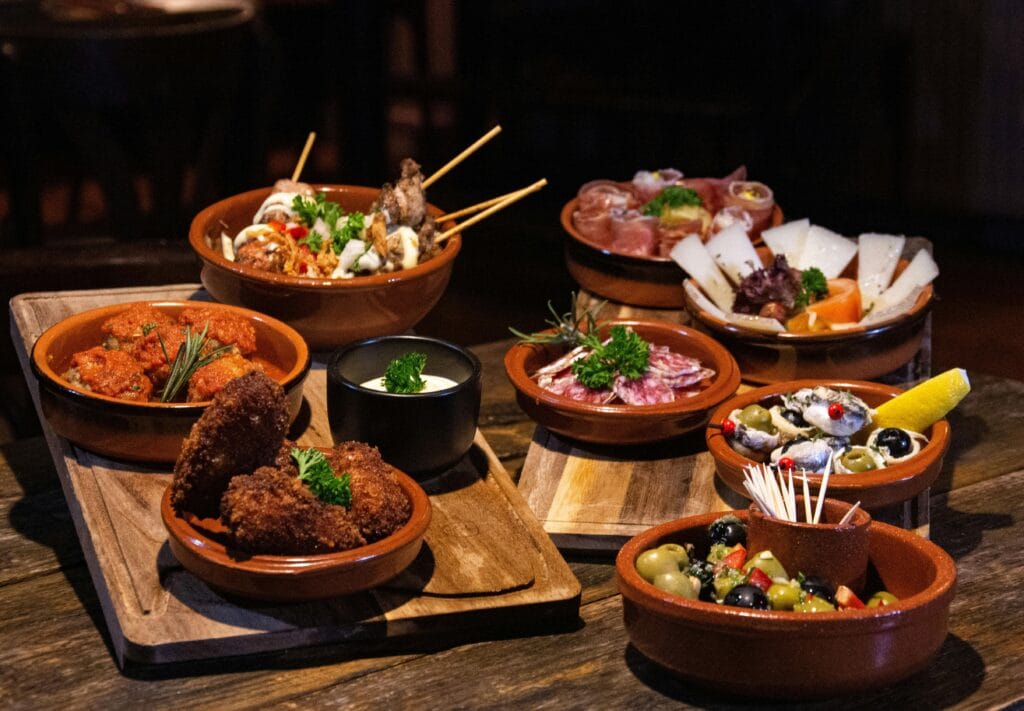
We have all heard about the Mediterranean diet, but the Spanish version has some specific tweaks that contribute to extreme longevity. It isn’t just about what they eat, but how they eat it.
The centerpiece is, of course, Extra Virgin Olive Oil (EVOO). Spain is the world’s largest producer of olive oil, and they consume it in massive quantities. It is drizzled on toast, stirred into soups, and poured over vegetables. This high intake of monounsaturated fats keeps their arteries flexible and their brains protected from cognitive decline.
| Food Category | Spanish Staple | Longevity Benefit |
| Healthy Fats | Extra Virgin Olive Oil | Reduces systemic inflammation |
| Legumes | Chickpeas and Lentils | High fiber for gut health and heart |
| Produce | Seasonal vegetables | Massive dose of antioxidants |
| Protein | Fresh fish and Jamón | Muscle maintenance and Omega-3s |
| Ritual | The “Menu del Dia” | Proper digestion through slow eating |
The “Grandmother Effect” and Social Integration
In many Western cultures, we have a tendency to “warehouse” our elderly. We move them into retirement communities or assisted living facilities where they primarily interact with other seniors. Spain does the opposite.
Spanish culture is deeply multigenerational. It is very common to see an 80-year-old woman at a bar at 10:00 PM with her adult children and grandchildren. This “social integration” is a powerful drug. Research shows that loneliness is as damaging to health as smoking 15 cigarettes a day.
Spanish women have a high sense of “Mati”—a Greek-adjacent concept of being the matriarch or the glue of the family. Having a purpose and being needed by your family keeps the brain engaged. When you are expected to help with the grandkids or cook a family Sunday lunch, you don’t have time to “act old.”
What We Can Learn: How to “Span-ify” Your Life
You don’t have to move to the Mediterranean to adopt these habits. You can recreate the Spanish longevity blueprint wherever you live by making a few intentional shifts.
1. Prioritize Social Movement
Stop looking at walking as “cardio” and start looking at it as “connection.” Invite a friend for a walk instead of a seated lunch. If you can walk to a destination, even if it takes 15 minutes longer than driving, take the walk.
2. Master the “Olive Oil Pour”
Don’t be afraid of fats. High-quality olive oil is a foundational health food. Swap out processed seed oils for EVOO in your cooking and as a finishing oil.
3. Eat Your Largest Meal at Noon
Try to shift your calorie intake so that your lunch is the star of the show. A lighter dinner helps your body focus on cellular repair during sleep rather than heavy digestion.
4. Stay Integrated
Find ways to be around people of different ages. Whether it is volunteering, joining a multi-generational hobby group, or simply spending more time with family, avoid the “senior silo.”
The Role of Universal Healthcare
It would be remiss not to mention that Spain’s healthcare system is ranked among the best in the world. It is a “preventative” system. Spanish women have regular, easy access to doctors who focus on managing blood pressure and cholesterol before they lead to a crisis.
When healthcare is a right and not a stressful financial burden, people are more likely to seek help early. This proactive approach ensures that minor issues don’t turn into the “hospital bed” scenarios we see elsewhere.
Related Articles
- Think Fasting is Healthy? Why Skipping Breakfast After 60 Actually Shuts Down Your Metabolism
- Neurologist’s Discovery: The $0 ‘Cellular Reset’ That Makes 60-Year-Olds Age Slower Than Everyone Else
- Figs: The Anti-Aging Superfood With 15 Benefits Doctors Say You’re Missing
- The 7-Minute Morning Routine That Makes 55 Look Like 35 (Dermatologists Tried to Keep It Quiet)
- Doctors Stunned: The Hidden Reason Brain Hemorrhages Are Surging in Seniors Over 60