FREE SHIPPING OVER $50
What Really Happens When You Drink on Ozempic—Doctors Just Revealed the Truth

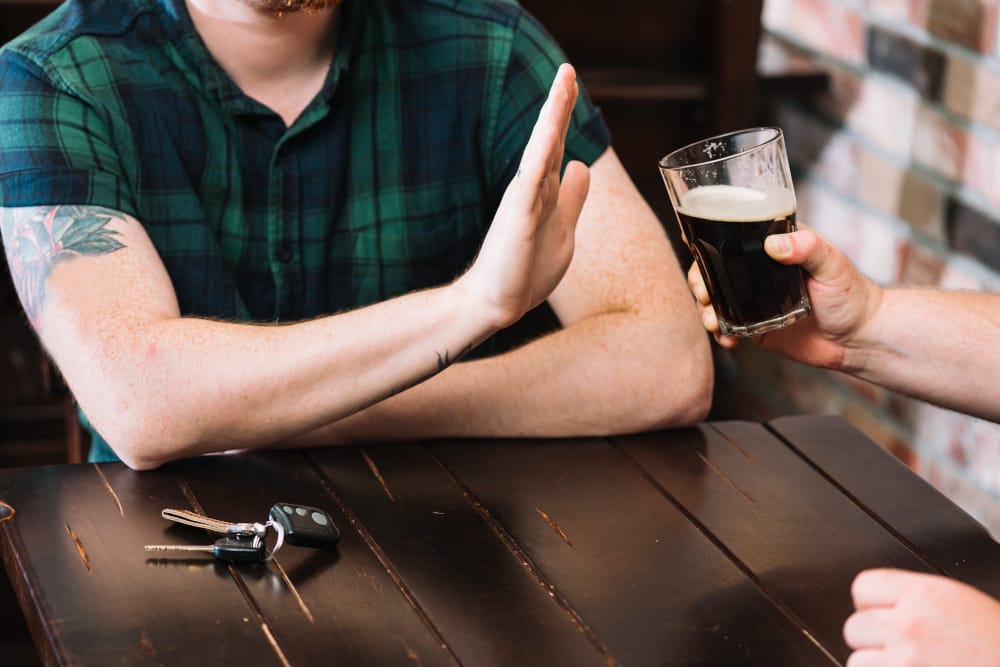
If you have spent any time on social media lately, you have probably seen the transformation stories associated with GLP-1 medications like Ozempic and Wegovy. People are losing significant weight, but they are also reporting a very strange, unexpected side effect that has nothing to do with their waistline. At happy hours and dinner parties across the country, users are realizing that their favorite glass of Cabernet or a cold craft beer just doesn’t “hit” the same way anymore. For many, the desire to drink has simply vanished overnight, while others find that even a single cocktail leads to a night of intense nausea or a complete lack of the usual “buzz.” It is a phenomenon that has caught both patients and doctors by surprise, sparking a massive wave of research into how these weight-loss drugs are actually rewiring the human brain’s relationship with pleasure and reward.
The medical community is now diving deep into what they are calling the “Alcohol Switch.” We used to think of Ozempic primarily as a metabolic tool that manages blood sugar and slows down digestion, but it is becoming increasingly clear that semaglutide—the active ingredient—is far more “brain-active” than we originally realized. As doctors uncover the truth about drinking on Ozempic, they are finding that the drug might be doing more for our long-term health than just lowering the number on the scale—it might be accidentally curing our collective “happy hour” habit.
The Dopamine Dampening: How Your Brain Responds
To understand why alcohol feels “broken” on Ozempic, we have to look at the brain’s mesolimbic dopamine system. This is the “reward center” responsible for that warm, fuzzy feeling you get after your first few sips of a drink. Usually, alcohol triggers a release of dopamine in the nucleus accumbens, signaling to your brain that whatever you just did was great and you should definitely do it again. This is the biological root of cravings and addiction.
However, Ozempic is a GLP-1 receptor agonist. While these receptors are all over your gut, they are also located in the areas of the brain that regulate reward. When you are on the medication, it effectively “mutes” these receptors. Consequently, when you take a drink, the expected surge of dopamine is significantly dampened. You might still taste the alcohol, but the “reward” your brain expects simply never arrives. Interestingly, this has led many users to describe drinking as “boring” or “pointless.” Without the chemical payoff, the motivation to finish a second or third drink evaporates.
The Stomach Struggle: Gastric Emptying and Alcohol
When you are on Ozempic, that cocktail sits in your stomach alongside whatever you ate hours ago. This creates a few specific problems that doctors are now warning patients about:
- Delayed Absorption: You might not feel the effects of the alcohol for a long time, leading you to drink more than you should because you think you’re “sober.”
- Sudden Intoxication: Once the stomach finally decides to empty, all that accumulated alcohol hits your small intestine at once, leading to a sudden and overwhelming “drunkenness” that can be dangerous.
- The “Ozempic Burp”: Because alcohol is sitting in the stomach longer, it can ferment or interact with stomach acid, leading to severe acid reflux and the notoriously foul-smelling “sulfur burps” associated with the medication.
Comparing the Experience: Drinking Off vs. On Ozempic
| Feature | Drinking Without Ozempic | Drinking On Ozempic |
| The “Buzz” | Hits within 10-15 minutes; feels euphoric. | Muted or non-existent; feels “flat.” |
| Cravings | One drink often leads to a desire for a second. | One drink often leads to “flavor fatigue” or boredom. |
| Physical Comfort | Standard metabolism; minor bloating. | High risk of nausea, reflux, and vomiting. |
| The Hangover | Standard dehydration and headache. | “Hang-xiety” and severe, multi-day gastrointestinal distress. |
| Blood Sugar | Temporary spike followed by a drop. | Potential for dangerous hypoglycemia (low blood sugar). |
Why Doctors are Worried: The Risk of Hypoglycemia
One of the more serious “truths” doctors are revealing involves your blood sugar levels. Ozempic is designed to lower blood glucose by stimulating insulin production. Alcohol also tends to lower blood sugar because it prevents the liver from releasing stored glucose into the bloodstream while it is busy processing the toxins from the drink.
When you combine a GLP-1 medication with alcohol, you are essentially doubling down on blood-sugar-lowering mechanisms. This can lead to a condition called hypoglycemia. Symptoms of low blood sugar—like dizziness, confusion, and shakiness—are very similar to the feeling of being drunk. This makes it incredibly easy for a patient to miss the warning signs of a medical emergency, assuming they are just “tipsy” when their brain is actually starved for glucose. Furthermore, because Ozempic slows digestion, even if you try to eat sugar to fix the crash, your body may not absorb it fast enough to help.
The “Hang-xiety” and The Multi-Day Hangover
If you do decide to push through the lack of a buzz and have a few drinks, be prepared for a recovery period that feels significantly worse than your pre-Ozempic days. Many users report that hangovers on semaglutide are transformative in the worst way possible. Doctors attribute this to a combination of severe dehydration and the prolonged presence of alcohol’s toxic byproducts in the digestive tract.
In addition to the physical pain, there is the “Hang-xiety.” Because GLP-1s interact with the brain’s emotional regulation centers, the “rebound” effect the next day can result in intense feelings of anxiety, depression, and dread. Since the drug is already modulating your dopamine, the “low” that follows alcohol consumption is more profound. For many, the physical and mental price tag of a single night of drinking is so high that they simply give up alcohol entirely.
Could Ozempic Be a Cure for Addiction?
The “fascinating” discovery mentioned in the title is that researchers are now looking at semaglutide as a potential treatment for Alcohol Use Disorder (AUD) and other addictions. Clinical trials are currently underway to see if the “Alcohol Switch” can be harnessed to help people who struggle with compulsive drinking.
Early data suggest that the drug doesn’t just work for alcohol; it may also reduce the urge to smoke, shop compulsively, or bite one’s nails. By targeting the fundamental “wanting” mechanism in the brain, Ozempic is proving to be a powerful tool in the fight against all forms of reward-seeking behavior. While the FDA has not yet approved it for this use, many doctors are already seeing the benefits in their patients who have naturally drifted away from alcohol without even trying.
Related Articles
- Surgeon Reveals: The 5-Minute “Posture Hack” That Instantly Slims Your Waist and Boosts Metabolism After 40
- The Ultimate Seed Showdown: I Ate Hemp Seeds vs Chia Seeds For 30 Days—The Weight Loss Winner SHOCKED My Doctor
- This 3-Ingredient Morning Mix Is Crushing Cholesterol, Belly Fat & Bloating—Here’s Why It Works
- 3 Months of Torture: I Hated Intermittent Fasting, But My Doctor Said This ONE Shocking Result Made the Hunger Worth It
- The Bedtime Drink That Melts Belly Fat While You Sleep