FREE SHIPPING OVER $50

Unwrap The Holiday Gift of Strength: How Training Adds Years to Your Life


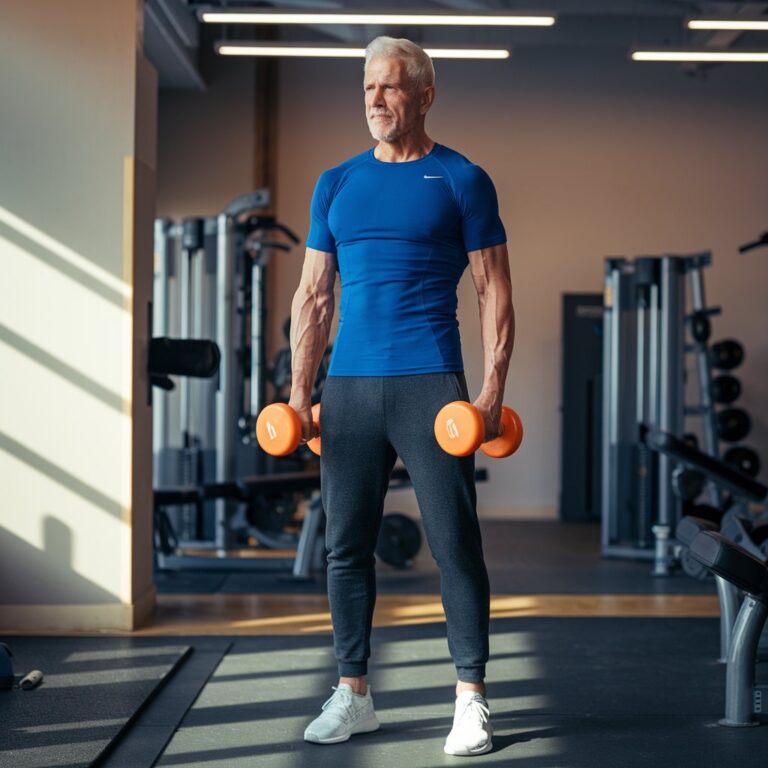
The holiday season is often synonymous with indulgence, relaxation, and perhaps a slight slump in our usual fitness routine. We tend to focus on immediate pleasures like food and cozy evenings, temporarily setting aside long-term health goals. However, as you search for the perfect gifts for loved ones, consider giving yourself something truly valuable this year: the gift of strength. This isn’t about fitting into a smaller dress size or impressing anyone at the gym; it’s about making a profound, long-term investment in your future self—an investment that actually pays dividends in the form of extra years of high-quality life.
Decades of scientific research have made it abundantly clear: engaging in regular strength training is one of the single most powerful things you can do to combat the effects of aging. It is a potent form of medicine that goes far beyond building visible muscle. When you lift weights, push against resistance, or even use your own body weight, you initiate a complex cascade of internal biological processes that directly increase your healthspan—the number of years you live free from disease and disability. We are unwrapping the science behind how training adds years to your life and providing a simple blueprint to start claiming this crucial gift today.
The Biological Clock: How Strength Training Reverses Aging
To understand how training adds years to your life, you must first understand the fundamental biological challenges of aging. Strength training acts directly as a countermeasure to these processes.
1. Combating Sarcopenia and Boosting Metabolism
Starting around age 30, most people begin to lose muscle mass at a rate of 3 to 8 percent per decade, a condition called sarcopenia. Muscles are a metabolically active tissue, meaning they require energy (calories) to maintain.
- The Impact: As muscle is lost, your resting metabolic rate (RMR) slows down. This is the primary reason weight gain becomes easier with age. Strength training is the only effective way to stop and reverse sarcopenia, actively rebuilding muscle and, consequently, keeping your metabolism running high. This not only makes fat loss easier but also helps regulate blood sugar levels more effectively.
2. The Hormone and Growth Factor Trigger
When you lift weights, you are sending a powerful signal to your body to repair and grow. This triggers the release of critical anti-aging hormones and growth factors.
- The Impact: Key hormones like Testosterone and Human Growth Hormone (HGH), which naturally decline with age, are temporarily boosted after a strength workout. Furthermore, muscle cells release myokines—signaling proteins that communicate with other organs. These myokines have been linked to improved brain health, reduced systemic inflammation, and enhanced longevity.
Strength’s Anti-Disease Shield: Adding Years of Quality Life
The longevity benefit of strength training is directly tied to its ability to mitigate the risk factors for major chronic diseases.
Bone Density: A Critical Investment
Osteoporosis (brittle bones) is a major threat to longevity, especially for women, as it drastically increases the risk of life-altering fractures after 60.
- The Benefit: Strength training provides mechanical stress to the bones. This stress signals the body to deposit more mineral mass, making the bones denser and stronger. Unlike supplements, this mechanical loading is the only reliable way to significantly improve bone density and reduce fracture risk.
Cardiovascular Health: More Than Just Cardio
While cardio is great for the heart itself, strength training improves cardiovascular health through other mechanisms.
- The Benefit: Resistance training lowers high blood pressure and improves blood sugar control (insulin sensitivity). When you build muscle, your cells become more efficient at absorbing glucose from the bloodstream, leading to a reduced risk of type 2 diabetes and better overall heart health.
Mental and Cognitive Longevity
The gift of strength extends directly to your brain.
- The Benefit: Studies show a strong correlation between muscular strength and cognitive function. Strength training helps improve memory, executive function, and overall mood, potentially reducing the risk of age-related cognitive decline. The boost in self-confidence and reduced symptoms of depression are immediate, powerful health benefits.
Unwrapping the Gift: How to Get Started Safely
You don’t need a huge commitment of time or fancy equipment to start strength training and add years to your life. Start with just two sessions per week, focusing on compound movements that engage the most muscle fibers.
The Foundation: Compound Movements
Prioritize exercises that use multiple joints and large muscle groups simultaneously. These provide the greatest hormonal and metabolic boost.
- Lower Body: Focus on Squats (or box squats for support) and Lunges (using a counter for balance). These build strength in the legs and glutes, which are vital for balance and mobility.
- Upper Body: Incorporate Push-Ups (using a wall or counter for an incline) and Rows (using resistance bands or dumbbells) to build opposing muscle groups, which prevents imbalances and improves posture.
- Core: Include Planks (on knees or toes) for full-body stability and spine protection.
The Progressive Overload Rule
The key to successful strength training is Progressive Overload—constantly demanding a little more from your muscles once they adapt.
- Action: Once you can easily complete 12 repetitions of an exercise with good form, it’s time to increase the resistance. This could mean using slightly heavier dumbbells, switching from wall push-ups to incline push-ups on a bench, or slowing down the movement time (time under tension).
Consistency Over Intensity
Aim for three total body workouts per week, allowing a day of rest in between. Consistency is what triggers the long-term cellular and hormonal changes that add years to your life. Sporadic, intense workouts often lead to injury and burnout. Focus on form first; strength will follow.
Final Thoughts
The holiday gift of strength is arguably the most valuable gift you can give yourself, offering undeniable returns in longevity and quality of life. By consistently engaging in strength training, you actively combat sarcopenia, boost your metabolism, fortify your bones against osteoporosis, and enhance your cognitive health. Don’t wait for the new year to start your journey; unwrap this gift today by incorporating simple, compound movements into your week. This powerful investment ensures that you don’t just add years to your life, but that you add life to your years.
Related Articles
- Doctors Said He’d Never Be Strong Again at 65—This Navy SEAL Proved Them Wrong with 5 Simple Exercises
- Longevity Experts Reveal: 10 Powerful Workouts That Stop Frailty and Keep You Agile for Life
- The HIIT Routine Seniors Swear By for Staying Strong, Lean, and Energized
- He Couldn’t Climb Stairs at 60—6 Months of Bedroom Exercises Left Doctors Speechless
- Do These 10 Exercises Regularly—They’re Proven to Help You Live Longer