FREE SHIPPING OVER $50

Throw Out the Pills: Neurologists Reveal 4 Everyday Foods That May Ease Migraine Pain Naturally

For millions of sufferers, the sudden, debilitating onset of a migraine means a desperate race to the medicine cabinet. While powerful pain relievers are often necessary, they come with a host of side effects and can, paradoxically, sometimes lead to rebound headaches (medication overuse headaches) when used too frequently. This reliance on pharmaceuticals leaves many people searching for natural, sustainable, and less invasive ways to manage their chronic pain. The good news is that the solution might not be a complicated prescription, but rather a simple, deliberate change in your daily nutrition.
Leading neurologists and headache specialists are increasingly recognizing the profound link between diet, chronic inflammation, and migraine frequency. They emphasize that while food cannot cure the underlying condition, certain everyday foods are packed with specific nutrients that actively fight the chemical processes that initiate and amplify migraine pain. We are revealing the 4 simple foods that these experts suggest integrating into your diet to naturally ease migraine pain, potentially allowing you to throw out the pills—or at least reduce your dependence on them.
The Nutritional Link: Inflammation and Migraine Triggers
To understand how food can fight a migraine, you must recognize the biological cause of the pain: inflammation and blood vessel changes in the brain.
The Inflammation Cascade
A migraine is often driven by abnormal nerve activity that releases inflammatory chemicals and causes temporary changes in blood flow to the brain.
- The Diet Impact: Many common processed foods are pro-inflammatory, meaning they actively encourage the body to produce the very chemicals that intensify headache and migraine pain. Conversely, anti-inflammatory foods work to cool down this inflammatory response, making the nervous system less reactive.
The Magnesium and Riboflavin Deficiencies
Studies have repeatedly shown that a significant number of migraine sufferers have deficiencies in certain vitamins and minerals.
- The Key Players: Magnesium helps regulate nerve function and relax blood vessels, while Riboflavin (Vitamin B2) is crucial for mitochondrial energy production in brain cells. Low levels of these nutrients are linked to increased migraine frequency and severity. Therefore, integrating foods rich in these components is a powerful, science-backed nutritional strategy.
Neurologists Reveal: 4 Everyday Foods That May Ease Migraine Pain
These 4 foods are widely available and specifically target the underlying deficiencies and inflammatory pathways associated with migraine pain.
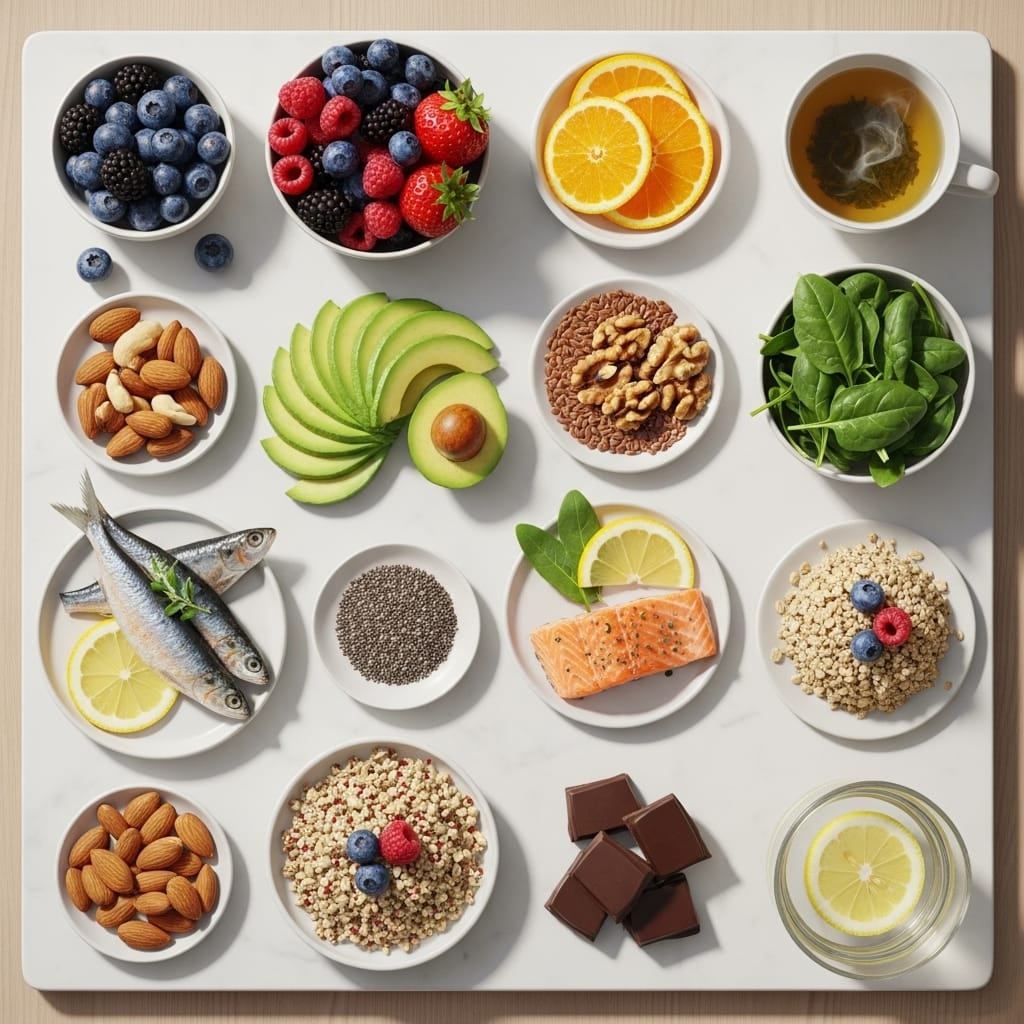
1. Dark Leafy Greens (The Magnesium Powerhouse)
Spinach, kale, and Swiss chard are often overlooked, but their density makes them essential nutrients for migraine sufferers.
- The Nutrient Benefit: They are a super source of Magnesium. As mentioned, Magnesium acts as a natural calcium channel blocker, which helps relax the constricted blood vessels in the brain that contribute to migraine pain. It also aids in blocking the reception of pain signals in the brain.
- Integration Tip: Try adding a handful of raw spinach to your daily smoothie or incorporating a large serving of kale into your evening meal. Cooking greens reduces their volume, making it easier to consume high levels of Magnesium.
2. Fatty Fish (The Anti-Inflammatory Oil)
This category includes salmon, mackerel, and sardines, all of which are rich in high-quality fats.
- The Nutrient Benefit: Fatty fish are the single best dietary source of Omega-3 Fatty Acids (EPA and DHA). These fats are powerful anti-inflammatory agents. They work by lowering the body’s production of pro-inflammatory eicosanoids (lipid mediators) that contribute to the chemical cascade of migraine pain. Regular intake is linked to reduced intensity and duration of migraines.
- Integration Tip: Aim for two to three servings of fatty fish per week. If the taste isn’t appealing, try a high-quality fish oil supplement (Omega-3s) to ensure consistent intake, as advised by your doctor.
3. Fortified Whole Grains and Almonds (The Riboflavin Boost)
While these foods may seem simple, they are crucial for cellular health.
- The Nutrient Benefit: Whole grains (like oats and barley) and nuts (especially almonds) are excellent sources of Riboflavin (Vitamin B2). Riboflavin is essential for mitochondrial function. Neurologists have found that high-dose Riboflavin supplementation can significantly reduce migraine frequency, but you can also boost your intake through nutrition. Almonds also provide valuable Magnesium and Vitamin E.
- Integration Tip: Start your day with a bowl of oatmeal and stir in a quarter cup of slivered almonds. This creates a powerful migraine-fighting base for your diet. Always choose non-fortified, unprocessed whole grains when possible.
4. Ginger (The Gut-Brain Regulator)
Used for centuries as a natural remedy, modern science confirms its efficacy against pain and nausea.
- The Nutrient Benefit: Ginger contains powerful compounds called gingerols, which have anti-inflammatory and anti-nausea properties comparable to some non-steroidal anti-inflammatory drugs (NSAIDs). Neurologists suggest it can target the same inflammatory pathways as pills but with minimal side effects. Furthermore, it helps calm the stomach, which is often severely upset during a migraine episode.
- Integration Tip: Sip on freshly brewed ginger tea (using slices of fresh ginger root) at the very onset of migraine pain. The combination of hydration and gingerols can sometimes halt or significantly lessen the severity of the attack.
Beyond the Plate: Key Nutritional Strategies
Nutrition involves not just what you eat, but what you avoid and how you hydrate.
Identifying Personal Triggers (The Elimination Game)
Before you can use food to fight migraine pain, you must first identify and eliminate potential triggers.
- The Common Culprits: Neurologists often see migraine triggers in foods containing high levels of tyramine (aged cheeses, cured meats), nitrates (hot dogs, deli meats), and certain artificial sweeteners or food colorings.
- The Action: Keep a detailed food and migraine journal for at least 30 days. Log every meal, every drink, and the severity of every headache. This is the only reliable way to pinpoint your unique dietary triggers.
The Role of Hydration
Dehydration is one of the most common and easily corrected migraine triggers.
- The Fix: Maintain consistent water intake throughout the day. Neurologists emphasize that waiting until you feel thirsty often means you are already too dehydrated. Proper hydration ensures optimal blood flow to the brain, reducing the likelihood of vessel constriction that leads to pain.
Blood Sugar Stability
Dramatic swings in blood sugar can be a powerful migraine trigger.
- The Strategy: The cornerstone of migraine-friendly nutrition is preventing those crashes. Focus on meals that combine protein, fiber (from the leafy greens and whole grains), and healthy fats (from the fatty fish) to ensure a slow, steady release of glucose into the bloodstream, maintaining stable energy and hormonal balance.
Conclusion
Neurologists confirm that you don’t have to live a life entirely reliant on pills to manage chronic migraine pain. By intelligently adjusting your nutrition, you can actively target the root causes of inflammation and nutrient deficiencies. The 4 everyday foods provide essential Magnesium, Omega-3s, and Riboflavin to naturally stabilize your blood vessels and calm your nervous system. While you must never throw out the pills without a doctor’s guidance, adopting this anti-migraine diet is a powerful step toward easing migraine pain naturally and securing long-term health.
Related Articles
- Scientists Reveal 9 Everyday Foods That Reverse Diabetes-Related Aging and Make You Feel 20 Years Younger
- Eat Breakfast at This Time to Live Longer—New Longevity Study Reveals the Ideal Window
- He Couldn’t Climb Stairs at 60—6 Months of Bedroom Exercises Left Doctors Speechless
- 60 and Thriving: 10 Nutritionist-Backed Weight Loss Tips That Don’t Involve Dieting or Deprivation
- Want to Look and Feel 17 Years Younger? These 15 Anti-Aging Hacks Are Backed by Science