FREE SHIPPING OVER $50
This Optical Illusion Claims to Reveal Your Brain’s Real Age—Most People Can’t Pass It

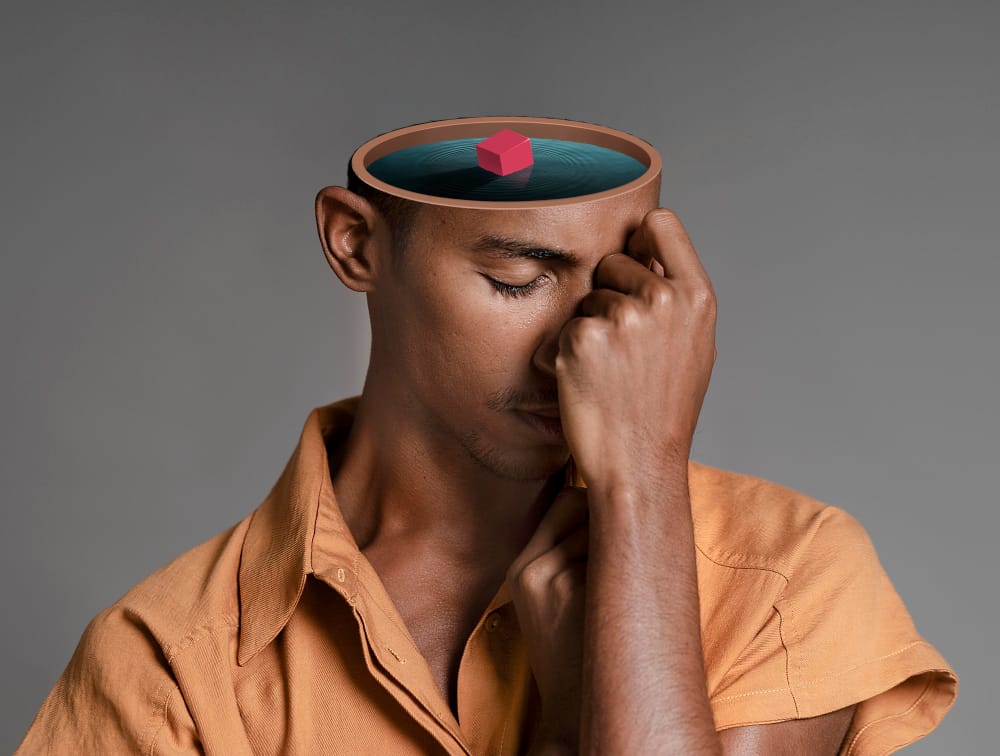
We constantly seek tools to measure our health and longevity—blood panels, fitness trackers, and genetic tests. But what if one of the most accurate, immediate measures of your brain’s true age wasn’t a complex medical test, but a simple, mind-bending optical illusion? This particular visual challenge has gained massive traction because it promises to measure something vital: the speed and efficiency of your cognitive function. Most people who try to pass this test are shocked to find that their brain’s reaction time is years, sometimes decades, older than their chronological age.
This seemingly simple optical illusion doesn’t rely on knowledge or memory; it tests your perceptual speed, attentional focus, and ability to suppress misleading visual information. These are the very cognitive skills that decline fastest as we age. By exploring the science behind this viral test, you can pinpoint exactly which areas of your brain might need a little longevity boost and discover the powerful, science-backed habits that can actively reverse cognitive decline and keep your mind sharp for life.
The Illusion: What It Is and What It Measures

The specific optical illusion gaining attention for its ability to predict cognitive age is often a variation of a “change blindness” or “selective attention” test. For the purpose of this discussion, we will focus on the principles of visual perception tests that require rapid attentional shifting—the foundation of true cognitive agility.
How the Test Works
In a typical brain age illusion, you might be asked to quickly identify a disappearing detail or mentally rotate a complex image while ignoring distracting elements.
- The Key Challenge: The illusion is designed to flood your visual cortex with more information than it can process quickly. To pass, your brain must suppress irrelevant visual noise and rapidly shift focus.
- The Age Indicator: Cognitive speed and attentional filtering are two of the most robust markers of brain aging. As we age, the speed at which our brain processes new information slows, and our ability to ignore distractions (visual clutter) declines. If you struggle to spot the change or if the illusion “fools” you for too long, it suggests slower neural processing, indicating an older brain age.
The Science of Cognitive Decline and Longevity
Passing the optical illusion test is less about your eyesight and more about the health of your nervous system and cognitive longevity.
1. Neural Processing Speed
The most common sign of cognitive aging is the reduction in the speed at which neurons transmit information.
- The Why: This slowdown is often due to the cumulative effects of inflammation, reduced blood flow to the brain, and the gradual loss of myelin (the protective sheath around nerve fibers). The optical illusion immediately reveals this slowdown, which is a major factor in our ability to perform everyday tasks quickly and efficiently.
2. Attentional Filtering
A youthful brain excels at filtering out irrelevant noise.
- The Impact: As we age, our frontal lobe—the brain region responsible for executive function and focus—can become less efficient. This means the brain spends more energy processing distractions, making tasks that require intense focus (like driving or analyzing the optical illusion) significantly harder and more mentally fatiguing.
3. Brain Plasticity
The test also indirectly measures brain plasticity, or the brain’s ability to adapt and form new neural connections.
- The Link: A brain that passes the illusion quickly can rapidly recalibrate its perception. Maintaining plasticity is the key to longevity and guarding against severe cognitive decline.
The Longevity Fix: 4 Science-Backed Ways to Lower Your Brain Age
If the optical illusion revealed a slower-than-expected cognitive age, don’t panic. Scientists have identified four pillars of longevity that directly enhance the cognitive skills required to beat the test.
1. The Power of Aerobic Exercise
What’s good for your heart is phenomenal for your brain. Aerobic exercise is arguably the most powerful tool for cognitive longevity.
- Action: Commit to 150 minutes of moderate aerobic activity per week (brisk walking, swimming, cycling).
- The Brain Benefit: Exercise increases blood flow to the brain, which delivers essential oxygen and nutrients. It also stimulates the production of BDNF (Brain-Derived Neurotrophic Factor), often called the brain’s fertilizer, which supports the growth of new neurons and strengthens existing connections, directly improving processing speed.
2. Embrace Complex Novelty (The Learning Fix)
To maintain brain plasticity, you must constantly challenge your brain in new and complex ways.
- Action: Learn a new language, take up a complex musical instrument, or master a skill that requires both mental and physical coordination (like juggling or dancing).
- The Brain Benefit: Novelty forces the brain to forge new neural pathways, specifically engaging the prefrontal cortex—the area that struggles most with aging. This high-level challenge is far more effective than simple brain games.
3. The Mediterranean Diet Connection
Your diet plays a critical role in reducing the inflammation and oxidative stress that slow down your cognitive speed.
- Action: Prioritize foods rich in Omega-3 fatty acids (such as fatty fish like salmon and walnuts) and brightly colored fruits and vegetables (such as berries and leafy greens).
- The Brain Benefit: Omega-3s are essential building blocks for brain cell membranes, improving communication between neurons. Antioxidants fight the free radicals that damage brain cells, effectively slowing the cellular aging that degrades processing speed and focus.
4. Prioritize Restorative Sleep
Poor sleep is a primary saboteur of cognitive health. While you sleep, your brain actively clears out metabolic waste.
- Action: Aim for 7 to 9 hours of quality, uninterrupted sleep.
- The Brain Benefit: During deep sleep, the brain’s glymphatic system cleanses toxins, including beta-amyloid, a protein linked to cognitive decline. Ensuring deep sleep is crucial for maintaining a clean, efficient neural environment, which translates directly to faster, sharper cognitive function during your waking hours.
Mastering the Optical Illusion: A Training Ground
Using optical illusions and similar visual perception tests isn’t just a way to measure your brain age; it can also be a form of training.
Perceptual Learning
By repeatedly exposing yourself to these types of illusions and consciously trying to find the key or the hidden detail, you can actually train your visual cortex to process information more efficiently.
- The Technique: Start with simpler versions and gradually increase the complexity. This form of perceptual learning can help sharpen the very attentional filtering and speed that decline with aging. Use online resources or specialized brain training programs that focus on visual processing.
The Role of Stress
Remember, stress is a major factor in cognitive speed. When you are tense, your short-term memory and focus plummet.
- The Fix: Before attempting any cognitive test, take a few minutes to practice slow, deep diaphragmatic breathing to lower your cortisol levels. A relaxed brain is a faster brain.
Conclusion
This engaging optical illusion serves as a powerful, immediate reminder that cognitive speed is a measurable marker of your brain’s true age. Most people struggle with these tests because they expose the natural slowdown in neural processing and the decline in attentional filtering that accompanies aging. However, this is not a final verdict. By actively integrating the four pillars of longevity, you can revitalize your brain’s health, sharpen your cognitive agility, and ensure your mind remains youthful and resilient for years to come.
Related Articles
- Stop Killing Your Immunity: The 4 Daily Habits Doctors Beg You to Quit Before Flu Season
- Why More Young, Fit Men Are Having Heart Attacks—And What You Can Do to Avoid It
- Over 50? These 15 Vision Hacks Could Help You See Sharper—Naturally
- Prescribed for Pain, Tied to Memory Loss: The Drug Millions Take Without Knowing the Risk
- Want to Look and Feel 17 Years Younger? These 15 Anti-Aging Hacks Are Backed by Science