FREE SHIPPING OVER $50

The Vitamin Deficiency Dermatologists Say Is Behind More Premature Aging Than Sun Damage, Stress, and Poor Sleep

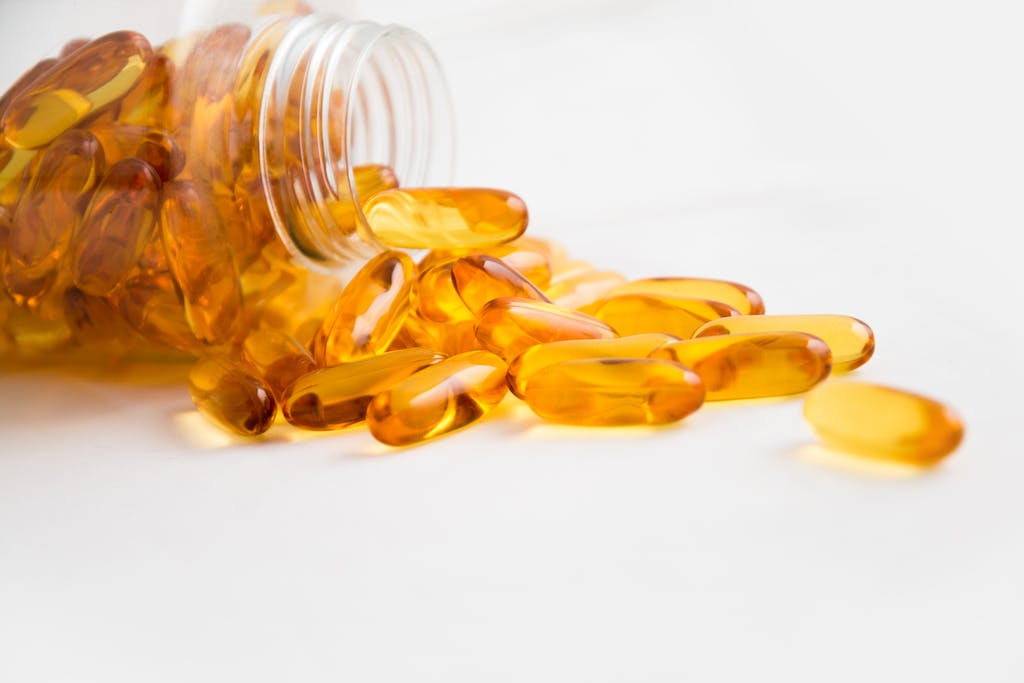
You have likely spent a small fortune on high-end sunscreens, silk pillowcases, and stress-relief apps, yet you might still be fighting a losing battle against the mirror because of a single, “invisible” nutrient gap. While we have been conditioned to fear UV rays and cortisol as the primary villains of aging, a growing consensus among top-tier dermatologists suggests that Vitamin D3 deficiency is actually the silent engine driving more premature fine lines, sagging, and cellular “exhaustion” than almost any external factor. Often mistaken for a simple bone-health nutrient, Vitamin D actually functions as a master pro-hormone that dictates how quickly your skin cells regenerate and how well your “longevity genes” protect your DNA. When your levels of this “Sunshine Vitamin” bottom out, your skin loses its structural blueprint, leading to a biological “fast-forward” effect that makes you look a decade older than your birth certificate suggests.
The Biological Clock: Why Vitamin D is a Pro-Hormone, Not Just a Vitamin
To understand why a deficiency in Vitamin D hits your face so hard, you have to stop thinking of it as a standard vitamin like C or E. In reality, Vitamin D is a secosteroid hormone. Every single cell in your body, especially your skin cells (keratinocytes), has a Vitamin D Receptor (VDR). These receptors act like biological “switches” that turn on the genes responsible for skin barrier repair, antimicrobial defense, and, most importantly, cellular turnover.
When these receptors aren’t “activated” by sufficient Vitamin D, your skin enters a state of metabolic hibernation. Old, damaged cells linger on the surface longer, causing a dull, gray complexion. Simultaneously, the production of collagen and elastin—the scaffolding that prevents sagging—begins to crumble. Research indicates that individuals with optimal Vitamin D levels actually have longer telomeres, which are the protective caps on our DNA that determine our “biological age.”
Sun Damage vs. The Deficiency Paradox
The ultimate irony of skin aging is the “Sunlight Paradox.” We are told to avoid the sun to prevent wrinkles, yet the sun is our primary source of the very nutrient that prevents premature aging from the inside out. When you wear SPF 50 religiously and stay indoors to “protect” your skin, you might unintentionally be starving your cells of the fuel they need to repair themselves.
Dermatologists are now seeing a surge in “SPF-induced aging,” where the skin looks thin and translucent because of chronic Vitamin D deficiency. The goal isn’t to burn in the sun, but to find the “sweet spot” of sun exposure or high-quality supplementation that maintains a serum level of at least 50 ng/mL to 80 ng/mL.
5 Ways Vitamin D Deficiency “Fast-Forwards” Your Appearance
If you are lacking this critical pro-hormone, your body starts showing “wear and tear” in very specific, predictable ways.
- The “Dull Fade”: Without Vitamin D, the skin’s natural exfoliation process slows down. Dead skin cells pile up, scattering light instead of reflecting it, which robs you of that “youthful glow.”
- Structural Sagging: Vitamin D is crucial for the health of the “extracellular matrix.” When levels are low, the bond between your dermis and epidermis weakens, leading to deeper nasolabial folds and a “heavier” jawline.
- Chronic Inflammation (Inflammaging): Low Vitamin D levels are linked to higher systemic inflammation. This “low-grade fire” breaks down collagen fibers 24/7, making the skin appear perpetually tired and “puffy.”
- Impaired Wound Healing: Do those tiny blemishes take weeks to disappear? Vitamin D triggers the production of cathelicidins, which are natural antibiotics that help the skin heal and regenerate quickly.
- Thinning of the Dermis: Research published in journals of clinical endocrinology shows a direct link between low Vitamin D and reduced skin thickness, making veins and dark circles more prominent.
The “Mirror Test” vs. The Blood Test
While a blood test (specifically the 25-hydroxy vitamin D test) is the only way to be 100% sure, your face often sends “SOS” signals long before you feel physically ill.
Is Your Face “Starving” for Vitamin D?
| Symptom | What It Means | Impact on Age Perception |
| Translucent Skin | Thinning of the epidermal layers. | Makes you look “fragile” and older. |
| Adult Acne/Eczema | Loss of antimicrobial skin barrier. | Creates a stressed, uneven texture. |
| Dark Under-Eye Circles | Poor vascular health and skin thinning. | Suggests chronic fatigue or illness. |
| Loss of Elasticity | Breakdown of the dermal scaffolding. | Causes “jowls” and a drooping neck. |
| Persistent Paleness | Lack of melanocyte regulation. | Can make you look “washed out” or sallow. |
How Stress and Sleep Complicate the Deficiency
The title of this article suggests Vitamin D deficiency is a bigger driver than stress and poor sleep, but the truth is these three often work as a “triple threat.” Chronic stress releases cortisol, which actually blocks Vitamin D receptors. You could be taking the best supplements in the world, but if your cortisol is through the roof, your cells can’t “hear” the Vitamin D signal.
Similarly, poor sleep prevents the body from performing the “overnight repair” that Vitamin D facilitates. This is why addressing the deficiency often improves your sleep quality—Vitamin D is a precursor to melatonin production. By fixing the nutrient gap, you often “accidentally” fix your stress and sleep cycles as well.
Reversing the Clock: The “Cellular Reboot” Protocol
If you suspect you are deficient, you cannot fix it with a multivitamin alone. Most standard multivitamins only contain 400 IU to 600 IU of Vitamin D, which is barely enough to prevent rickets, let alone reverse the “aging fade.”
The Bioavailable Duo: D3 + K2
You must always take Vitamin D3 with Vitamin K2 (specifically the MK-7 form). Vitamin D helps your body absorb calcium, but Vitamin K2 acts as the “traffic cop” that tells the calcium where to go (into your bones and teeth) and where to stay out of (your skin and arteries). Without K2, Vitamin D can actually cause “calcification” of the skin’s elastic fibers, which makes them brittle.
The Fatty Acid Vehicle
Since Vitamin D is fat-soluble, it must be taken with a meal containing healthy fats. Taking your supplement with a spoonful of almond butter, an avocado, or your morning eggs can increase absorption by up to 32%.
Topical vs. Internal
While “Vitamin D creams” exist, they are far less effective than internal supplementation for systemic anti-aging. Your goal is to raise your blood levels so that every cell in your body, from your heart to your hairline, has access to this pro-hormone.
Why the “US Audience” is at Higher Risk
While this is a global issue, certain lifestyle factors in modern Western culture exacerbate the problem. Most office environments use UV-filtered glass, which blocks the specific UVB rays needed for Vitamin D synthesis while allowing “aging” UVA rays to pass through. Additionally, our diets have largely moved away from the “organ meats” and wild-caught oily fish that our ancestors relied on for their “winter D” stores.
Related Articles
- Scientists Just Identified the No-Equipment Activity Linked to a 40% Lower Risk of Early Death — and Most People Already Know How to Do It
- The Specific Gut Bacteria Found in Nearly Every Person Who Lives Past 100 — and How to Get More of It
- Cardiologists Have Known About This Heart Attack Risk Reducer for Years — Most Patients Never Hear About It
- Addition by Subtraction: 15 Normal Habits I Killed at 65 to Reverse My Biological Age
- Take This Daily? New Evidence Shows Multivitamins May Cut High Blood Pressure Risk as You Age