FREE SHIPPING OVER $50

The Stroke Risk Factor Your Dentist Sees Before Your Cardiologist Does — and Most Patients Never Get Told

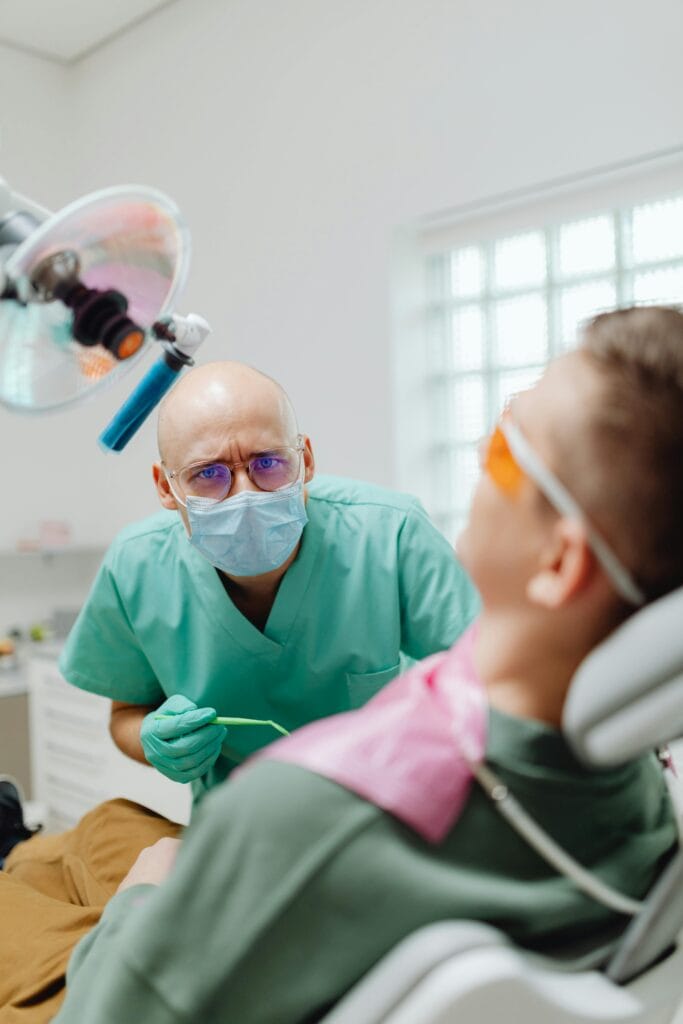
While most of us associate a trip to the dentist with filling a nagging cavity or getting a professional cleaning, your dental chair is actually the front line of defense for your brain health. Emerging research has confirmed a startling biological “highway” connecting the bacteria in your mouth directly to the arteries in your brain. While a cardiologist focuses on your blood pressure and cholesterol, your dentist is the one who can actually see the chronic, low-grade infections that act as a “Trojan Horse” for vascular decay. Most patients are never told that the presence of gum disease and untreated cavities can nearly double the risk of an ischemic stroke, but the evidence is now undeniable: a “dirty” mouth is one of the most accurate predictors of a future neurological event.
The 86% Surge: Why Your Mouth is a Stroke Predictor
A landmark study published in Neurology in late 2025 followed nearly 6,000 adults over two decades to determine exactly how oral health impacts the brain. The results were a wake-up call for the medical community. Researchers found that individuals suffering from both periodontal (gum) disease and dental cavities faced an 86% higher risk of ischemic stroke compared to those with healthy mouths. This isn’t just a casual correlation; the risk remained significantly elevated even after the scientists controlled for traditional factors like age, smoking, and high blood pressure.
What makes this finding so critical is that many of these stroke victims had no traditional “red flags.” They weren’t necessarily obese or sedentary, but they were harboring a chronic bacterial load that their cardiologist never checked. When you have active gum disease, your mouth essentially becomes a “leaky” entry point for pathogens to enter your bloodstream 24 hours a day, leading to a state of chronic systemic inflammation that quietly ages your arteries.
The “P. Gingivalis” Breach: How Bacteria Enter the Brain
The primary culprit in this mouth-to-brain connection is a specific, aggressive bacterium called Porphyromonas gingivalis. Unlike “friendly” mouth bacteria, P. gingivalis is a master of evasion. It doesn’t just sit on your teeth; it creates deep “pockets” in your gums where it can thrive in an oxygen-free environment. From there, it hitches a ride in your circulation.
The Path from Gums to Brain Damage
- Gingival Entry: Inflammation breaks down the thin lining of your gums, allowing bacteria and their toxins (lipopolysaccharides) to enter the blood.
- Blood-Brain Barrier Breach: P. gingivalis produces specialized proteases called gingipains that can actually weaken the blood-brain barrier—the protective “wall” that is supposed to keep toxins out of your central nervous system.
- Arterial Plaque Build-Up: Once in the arteries, these bacteria contribute to the hardening of the carotid arteries (the main vessels supplying the brain), making them more likely to develop the clots that cause strokes.
- Neuro-Inflammation: In the brain, these pathogens trigger an immune response that can damage neurons and has even been linked to the development of Alzheimer’s disease.
Ischemic vs. Hemorrhagic: The Oral Connection
Not all strokes are created equal, and your specific oral health issues might predict which type you are at risk for. While gum disease is heavily linked to Ischemic Strokes (caused by blockages), new 2026 data suggests that untreated cavities are a major driver for Hemorrhagic Strokes (brain bleeds).
This is largely due to Streptococcus mutans, the bacteria primarily responsible for tooth decay. S. mutans has been found to colonize weakened blood vessels in the brain, making them brittle and more prone to bursting. This means that a “simple” cavity you’ve been ignoring isn’t just a dental nuisance—it could be a structural threat to your brain’s vascular integrity.
Oral Health Conditions and Specific Stroke Risks
| Oral Condition | Primary Bacterial Culprit | Stroke Subtype Risk | Mechanism |
| Gum Disease | P. gingivalis | Ischemic (Thrombotic) | Arterial inflammation & clotting |
| Untreated Cavities | S. mutans | Hemorrhagic (Brain Bleed) | Weakening of vascular walls |
| Tooth Loss | Mixed Anaerobes | Cardioembolic | Systemic inflammatory burden |
The “Silent” Inflammation: Why You Don’t Feel the Danger
The most dangerous aspect of oral-related stroke risk is that it is often painless. You might notice a bit of “pink in the sink” when you brush or a slight sensitivity in a molar, but because there isn’t agonizing pain, most people assume they are fine. However, inflammation is a “silent” killer. By the time a cardiologist detects arterial stiffness or a blockage in your neck, the oral bacteria may have been doing their damage for ten or fifteen years.
Modern longevity specialists are now urging patients to view their dentist as a “vascular health screener.” If your dentist tells you that your “pockets” are deep (anything over 4mm) or that you have significant plaque buildup, they aren’t just talking about your smile. They are describing a state of high-alert in your immune system that is putting your brain at risk.
The “Brain Shield” Protocol: How to Reverse the Risk
The good news is that, unlike genetics, your oral microbiome is a modifiable risk factor. You can actually lower your stroke risk significantly by shifting the bacterial balance in your mouth. The Neurology study highlighted that regular dental care—specifically professional cleanings and addressing infections early—reduced the odds of having a stroke-prone mouth by over 80%.
1. Targeted Plaque Removal
Standard brushing often misses the “interproximal” spaces between teeth where P. gingivalis loves to hide. Incorporating an interdental brush or a water flosser is non-negotiable for longevity. You need to physically disrupt the biofilm in those deep pockets to stop the bacteria from entering your bloodstream.
2. Oral Microbiome Support
Stop using “scorched-earth” alcohol-based mouthwashes. These kill both the bad and the good bacteria, which can actually raise your blood pressure by destroying the microbes that help produce nitric oxide. Instead, look for prebiotic oral rinses or oral probiotics containing S. salivarius M18, which helps outcompete the stroke-linked pathogens.
3. Managing “Caries Load”
If you have cavities, get them filled. Leaving a “hole” in your tooth provides a permanent reservoir for S. mutans to multiply and migrate toward your brain’s blood vessels. Addressing tooth decay is a direct investment in the structural integrity of your cerebral arteries.
Beyond Brushing: The Role of Diet in Vascular Protection
Your diet dictates which bacteria win the war in your mouth. High-sugar and high-starch diets feed the “acid-producers” that cause cavities and brain bleeds. Conversely, a diet rich in Nitrate-Rich Vegetables (like beets and leafy greens) and Antioxidants (like CoQ10) supports the healthy microbes that keep your blood vessels flexible.
Foods that feed the “Stroke-Preventing” Microbiome
- Leafy Greens: Boost nitric oxide to keep arteries supple.
- Green Tea: Contains catechins that inhibit P. gingivalis growth.
- Crunchy Fibrous Veggies: Mechanically clean the teeth and stimulate protective saliva.
- Fermented Foods: Introduce beneficial bacteria that balance the “Skin-Gut-Mouth” axis.
Related Articles
- The “Anti-Cavity” Snack: Why Dentists Want You to Eat This Specific Cheese After Every Meal
- Forget the Drill: The ‘Enamel Armor’ Foods That Make Your Teeth Virtually Cavity-Proof
- 7 Natural Sweeteners That Protect Your Metabolism — Ditch Sugar Without Sacrificing Taste
- The “Bloat-Free” Rule: Why Japanese Women Ditch Probiotics for This 0-Cent Habit
- Why Authentic Pasta Doesn’t Wreck Your Blood Sugar (Unlike the Carbs Most Americans Eat)