FREE SHIPPING OVER $50

The Shocking Truth: Most Adults Are Starving Their Bodies of Veggies—Here’s How Much You Really Need to Age Well

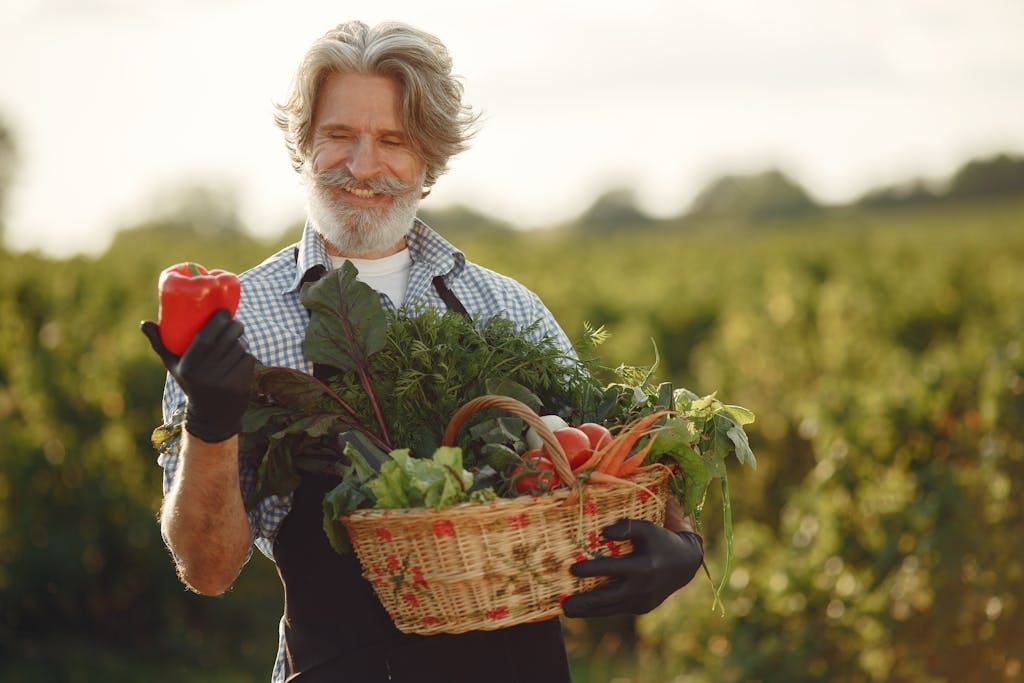
It’s one of the simplest nutrition facts we’ve known since childhood: eat your vegetables. Yet, despite the widespread knowledge that veggies are vital for health, the shocking truth is that the vast majority of adults—upwards of 90 percent by some estimates—are consistently starving their bodies of the very nutrients needed for high-quality longevity. We often prioritize protein, complex carbohydrates, and fats, treating vegetables as a side dish or an afterthought, rather than the foundational anti-aging food source they truly are. This systemic starvation leads to deficiencies that accelerate aging and significantly increase the risk of chronic disease.
If you’re serious about aging well, maintaining energy, and protecting your brain health, this nutritional gap is the most crucial health issue you need to address immediately. The difference between survival and true longevity doesn’t lie in expensive supplements or exotic treatments; it lies in filling your plate with the right volume and variety of vegetables. We are breaking down the evidence and, most importantly, answering the question: Here’s how much you really need to age well and thrive long-term, backed by the latest science.
The Aging Crisis: What Happens When You Starve Your Body of Veggies
Vegetables are more than just fiber and water; they are the primary source of two compounds essential for longevity: phytonutrients and antioxidants. When the body is starved of these, the effects are profound and accelerate aging.
Chronic Inflammation: The Root of All Disease
Systemic inflammation is the silent driver of almost every major age-related disease, including heart disease, Alzheimer’s, and type 2 diabetes.
- The Role of Veggies: Phytonutrients (like sulforaphane in broccoli or carotenoids in carrots) are the body’s natural anti-inflammatory agents. When your intake of vegetables is low, the body’s ability to fight off daily internal stressors—from poor diet to pollution—is crippled, allowing chronic inflammation to take root.
Cellular Damage and Telomere Shortening
Every cell in your body is constantly under attack from free radicals, which cause oxidative stress. This damage contributes to the shortening of telomeres, the protective caps on your DNA, which is a hallmark of biological aging.
- The Role of Veggies: Vegetables are loaded with antioxidants (Vitamins C, E, and Beta-Carotene) that neutralize these free radicals. Consistent, high intake of veggies provides a shield that protects your cells and DNA, slowing down biological aging.
The Longevity Rule: How Much You Really Need to Age Well
Based on decades of nutritional epidemiology and recommendations from leading health organizations, the consensus for optimal longevity dramatically exceeds the standard, often low bar set by government guidelines.
The 5-A-Day Myth vs. The 5 Serving Reality
The traditional five-a-day recommendation (often equated to about 2.5 cups) is widely considered the minimum to prevent overt deficiency. However, research focused on longevity shows that the health benefits continue to compound at much higher levels.
- The Longevity Rule: To truly age well, protect your brain, and maximize disease prevention, adults need to consume about 5 servings of fruits and vegetables per day.
- Quantified: This translates to roughly 2 to 3 cups of cooked or raw vegetables per day (excluding starchy vegetables like potatoes). This might sound like a lot, but it becomes manageable when spread across three meals.
The Breakdown: Hitting Your Daily Target
To make this actionable, here is how that target should look daily:
| Meal | Servings (Cups) | Example Strategy |
| Breakfast | 0.5 Cup | Add spinach to a smoothie or peppers to eggs. |
| Lunch | 1 Cups | A large, colorful salad base or half a plate of cooked veggies. |
| Dinner | 2 Cups | Half your dinner plate filled with steamed, roasted, or stir-fried non-starchy vegetables. |
| Total Daily | 3.5 Cups | Focus on variety and color for maximum phytonutrient diversity. |
The Ultimate Anti-Aging Veggies: Color and Category
Simply hitting the cup target isn’t enough; you must prioritize the types of vegetables that deliver the biggest longevity punch.
1. Cruciferous Powerhouses (The Detox and Anti-Cancer Agents)
These veggies are rich in glucosinolates, compounds converted into isothiocyanates (like sulforaphane) when chopped or chewed.
- The Benefit: Sulforaphane actively supports the body’s natural detoxification pathways (liver support) and has been heavily linked to cancer prevention, a critical factor in aging well.
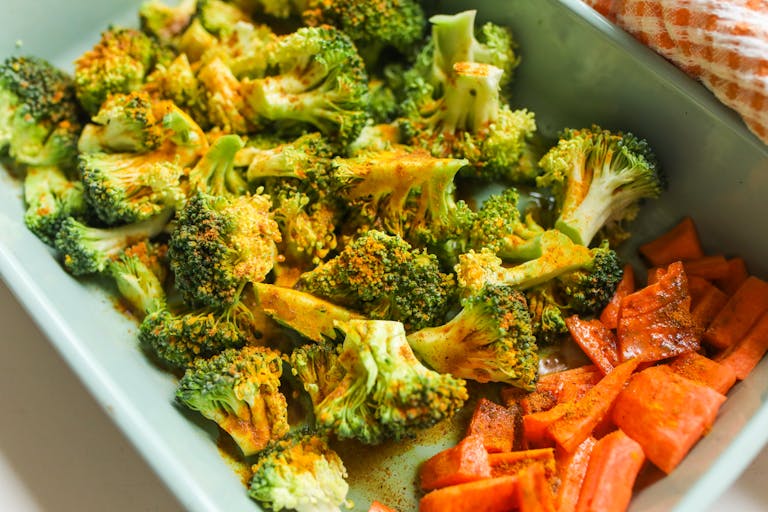
- Examples: Broccoli, Cauliflower, Cabbage, Brussels Sprouts.
2. Deep Green Leafy Greens (The Brain and Heart Protectors)
These are arguably the most nutrient-dense foods on the planet, loaded with Vitamin K, folate, and powerful carotenoids like lutein and zeaxanthin.
- The Benefit: Lutein and zeaxanthin accumulate in the brain and eyes, protecting against macular degeneration and supporting cognitive function. Folate is crucial for DNA synthesis and repair.
- Examples: Spinach, Kale, Collard Greens, Swiss Chard.
3. Allium Vegetables (The Cardiovascular Superstars)
These contain sulfur compounds that provide their pungent smell and deliver significant cardiovascular protection.
- The Benefit: The sulfur compounds promote the production of hydrogen sulfide, which helps relax blood vessels, improving blood flow and reducing blood pressure—a massive boost for long-term heart health.
- Examples: Garlic, Onions, Leeks, Shallots.
Integrating Veggies: Hacks to Stop Starvation Today
The biggest hurdle is volume. Here are simple, actionable hacks to ensure you stop starving your body and hit the longevity target daily.
Hack 1: The Blender Boost
Don’t have time to chew 3 cups of veggies? Drink them.
- Action: Start your day with a large smoothie containing at least 1 cup of spinach or kale, along with fiber sources like flaxseeds and chia seeds. You won’t taste the greens, but you’ll have hit 20% of your daily goal before lunch.
Hack 2: The Half-Plate Rule
Simplify your meal construction.
- Action: For both lunch and dinner, ensure at least half of your plate is reserved for non-starchy vegetables. This visual cue forces you to prioritize volume over grains or protein.
Hack 3: The Frozen Fighter
Don’t let spoilage be your excuse.
- Action: Keep large bags of frozen chopped broccoli, cauliflower rice, and mixed greens on hand. Toss a large handful of frozen greens directly into soups, stews, sauces, or even scrambled eggs during the cooking process. They cook quickly and maintain their nutrient integrity.
Conclusion
The shocking truth is that most adults are starving their bodies of veggies, sabotaging their longevity potential by failing to provide the anti-inflammatory and antioxidant shield needed to age well. By strategically integrating powerhouses like broccoli, spinach, and garlic into your meals and adopting simple hacks like the Blender Boost, you move beyond mere survival and claim the vital longevity insurance that only a veggie-rich diet can provide.
Related Articles
- Stop Tossing Avocado Seeds—Doctors Reveal the Hidden Benefit You’ll Wish You Knew Sooner
- The Breakthrough Longevity Supplement Everyone Will Be Talking About in 2026
- Stop Cooking Now: I’m a Doctor and This One Popular Kitchen Mistake Causes Cancer-Causing Toxins
- Stop the Clock: Doctors Say This ONE Diabetes Mistake Ages Your Body 10 Years Faster
- Dietitians Reveal the 7 Frozen Vegetables That Help Stabilize Blood Sugar—And They’re Budget-Friendly