FREE SHIPPING OVER $50

The Shocking Reason 90-Year-Olds in Japan Outlive and Outperform 60-Year-Olds in America

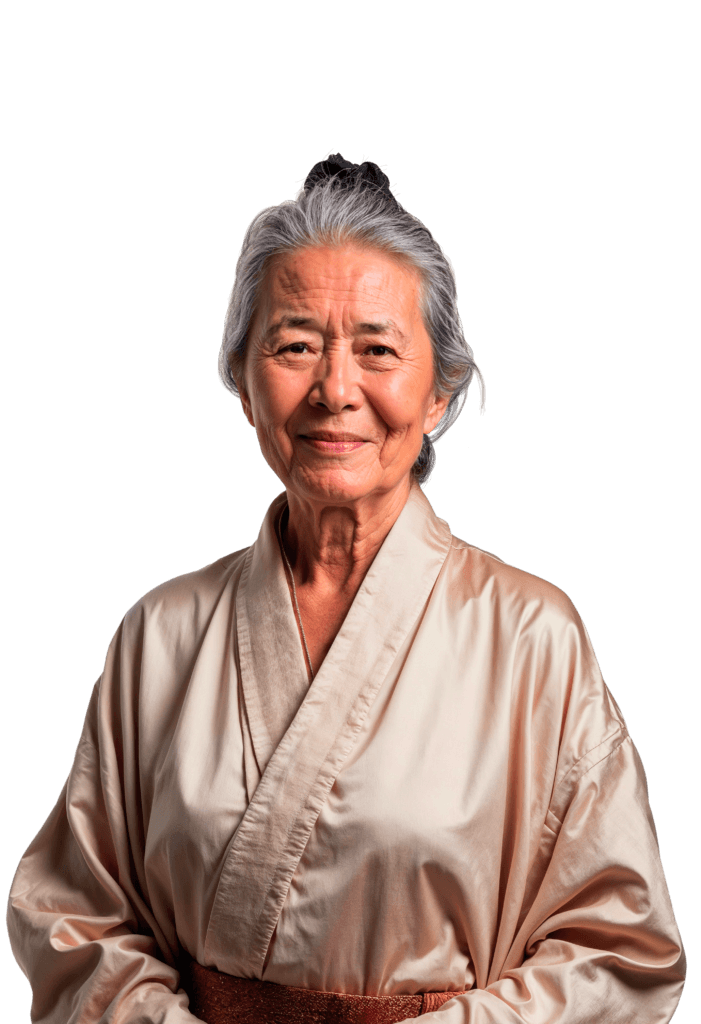
The global statistics on longevity paint a striking and often frustrating picture. While health and lifespan have generally improved worldwide, there is a clear divide in the quality of later life. When you compare the average 90-year-old in Japan to the average 60-year-old in America, the differences are profound. The Okinawan elder often maintains high functional strength, cognitive vitality, and a remarkably low rate of chronic diseases like heart disease and diabetes. Meanwhile, many Americans hit 60 facing a decade or more of declining health, mobility issues, and reliance on multiple medications.
This disparity leads to one unavoidable question: What is the shocking reason Japanese seniors are able to outlive and outperform their Western counterparts by such a significant margin? The answer is not primarily found in genetics, nor is it a complex diet or extreme exercise regime. The most powerful factor is a deep-seated cultural and communal system that directly addresses the root causes of aging and chronic inflammation—a secret that revolves around purpose, social structure, and a completely different approach to stress.
The Shocking Reason: The Purpose and Community Shield
The single, most shocking reason for this longevity gap is the Japanese concept of Ikigai (a reason for being) combined with the powerful, lifelong support network known as Moai. This combination of intense individual purpose and guaranteed social connection acts as a profound biological defense against stress and cellular aging.
1. Ikigai: The Anti-Retirement Drug
In Japanese culture, particularly in Okinawa, the concept of retirement as a sudden, complete cessation of purpose simply does not exist. Ikigai is the belief that everyone has a reason to get up in the morning.
- The Damage of Retirement: For many Americans, retirement often means a sudden loss of identity, social interaction, and daily routine. This sudden change is a huge stressor that contributes to depression and cognitive decline. Studies show that a loss of purpose can accelerate aging by increasing stress hormones like cortisol.
- The Japanese Way: Okinawans rarely stop working entirely; they simply shift their focus. They continue contributing to the community, tending gardens, mentoring younger generations, and teaching skills.5 This continuous engagement keeps the brain active, prevents isolation, and dramatically reduces the sense of existential stress.
2. Moai: The Social Safety Net
A Moai is a lifelong social support group—often five or six people—formed in childhood. It functions as a financial, social, and emotional support system for its members.
- The Damage of Isolation: Social isolation is one of the greatest predictors of premature death, rivaling smoking and obesity. Loneliness directly increases inflammation and weakens the immune system, accelerating all forms of age-related disease.
- The Japanese Way: The Moai guarantees that nobody is ever alone. Members provide immediate social connection, financial aid if needed, and emotional support during crises. This deep, lifelong connection acts as a chronic stress buffer, keeping cortisol low and reinforcing a sense of belonging and security, which is foundational to longevity.
How Lifestyle Triggers Superior Health
While purpose and community are the shocking reasons, they are underpinned by three powerful, practical lifestyle habits that contribute to the incredible health seen in older Japanese populations.
3. Hara Hachi Bu (The 80% Full Rule)
This ancient Confucian teaching, adopted widely in Japan, means eating only until you are 80% full.
- The American Way: The typical American diet emphasizes large portion sizes and eating until completely satiated, often leading to excess caloric intake at every meal. This forces the body into constant storage mode, stressing the pancreas and accelerating aging processes like insulin resistance and obesity.
- The Japanese Way: Hara Hachi Bu ensures a slight caloric restriction. Research shows that modest caloric restriction (without malnutrition) is the single most reliable way to extend longevity in nearly all species. It reduces oxidative stress, lowers systemic inflammation, and allows the digestive system crucial rest between meals.
4. Active Aging Through Necessity
Many Japanese seniors remain active simply because their infrastructure and environment encourage it.
- The American Way: Daily life is highly mechanized and car-dependent, making incidental exercise rare. Our health maintenance requires dedicated trips to the gym.
- The Japanese Way: Traditional homes often require sitting and rising from the floor multiple times a day, which maintains crucial leg strength and mobility. Furthermore, reliance on walking, cycling, and public transport means that daily exercise is built into the routine, maintaining functional strength and a higher metabolism well into their 90s. This consistent, low-level activity protects against sarcopenia (age-related muscle loss).
5. The Power of Plant-Based Diets
While the Japanese diet is often associated with fish and rice, the foundation, especially in Okinawa, is overwhelmingly plant-based and high in specific nutrients.
- The Key Foods: Okinawans historically consume large amounts of sweet potatoes (rich in antioxidants and complex carbohydrates) and small portions of soy (tofu and miso). This diet is incredibly high in fiber and low in red meat and added sugar.
- The Benefit: This nutrition profile provides essential anti-inflammatory compounds and keeps blood sugar stable, fighting diabetes and reducing the systemic inflammation that damages blood vessels, protecting cardiovascular health far more effectively than typical Western diets.
Reversing the Gap: An Actionable Blueprint for Longevity
You cannot simply move to Okinawa, but you can integrate these powerful longevity secrets into your own life. The goal is to build an American Moai and find your personal Ikigai.
Action 1: Define Your Purpose (Ikigai)
- Strategy: Find a community role that gives you a reason to get up every day. This could be volunteering, taking a class, or starting a small, passion-driven project. Consistent mental engagement is the key to sustained cognitive health.
Action 2: Build Your Moai (Social Connection)
- Strategy: Commit to a small, diverse group of friends (4 to 6 people) for weekly, non-negotiable social gatherings. The goal is depth, not breadth. These relationships should be based on mutual support and unconditional acceptance to maximize the stress-buffering effect.
Action 3: Practice Hara Hachi Bu
- Strategy: At the start of every meal, consciously pause and ask if you are 80% full. Serve slightly smaller portions than you think you want, and focus on slow, mindful chewing. This simple practice will naturally reduce caloric intake and improve metabolic health.
Conclusion
The shocking reason why 90-year-olds in Japan outlive and outperform 60-year-olds in America is not solely genetic or pharmacological; it’s rooted in the profound power of culture, purpose, and community. The Japanese values of Ikigai and Moai create a deep-seated shield against chronic stress and social isolation, which are the twin accelerators of aging in the Western world. By adopting the principles of sustained purpose, guaranteed social connection, and mindful eating (Hara Hachi Bu), you gain the proven tools to slow cellular aging, protect your health, and dramatically increase the quality and length of your own longevity journey.
Related Articles
- The HIIT Routine Seniors Swear By for Staying Strong, Lean, and Energized
- He Couldn’t Climb Stairs at 60—6 Months of Bedroom Exercises Left Doctors Speechless
- Do These 10 Exercises Regularly—They’re Proven to Help You Live Longer
- Want to Look and Feel 17 Years Younger? These 15 Anti-Aging Hacks Are Backed by Science
- The Anti-Aging Habit Hidden in a Remote Village—Doctors Say It Rewinds Your Biological Clock