FREE SHIPPING OVER $50

The One Movement That Fixes Your Posture, Ends Back Pain, and Makes Walking Effortless

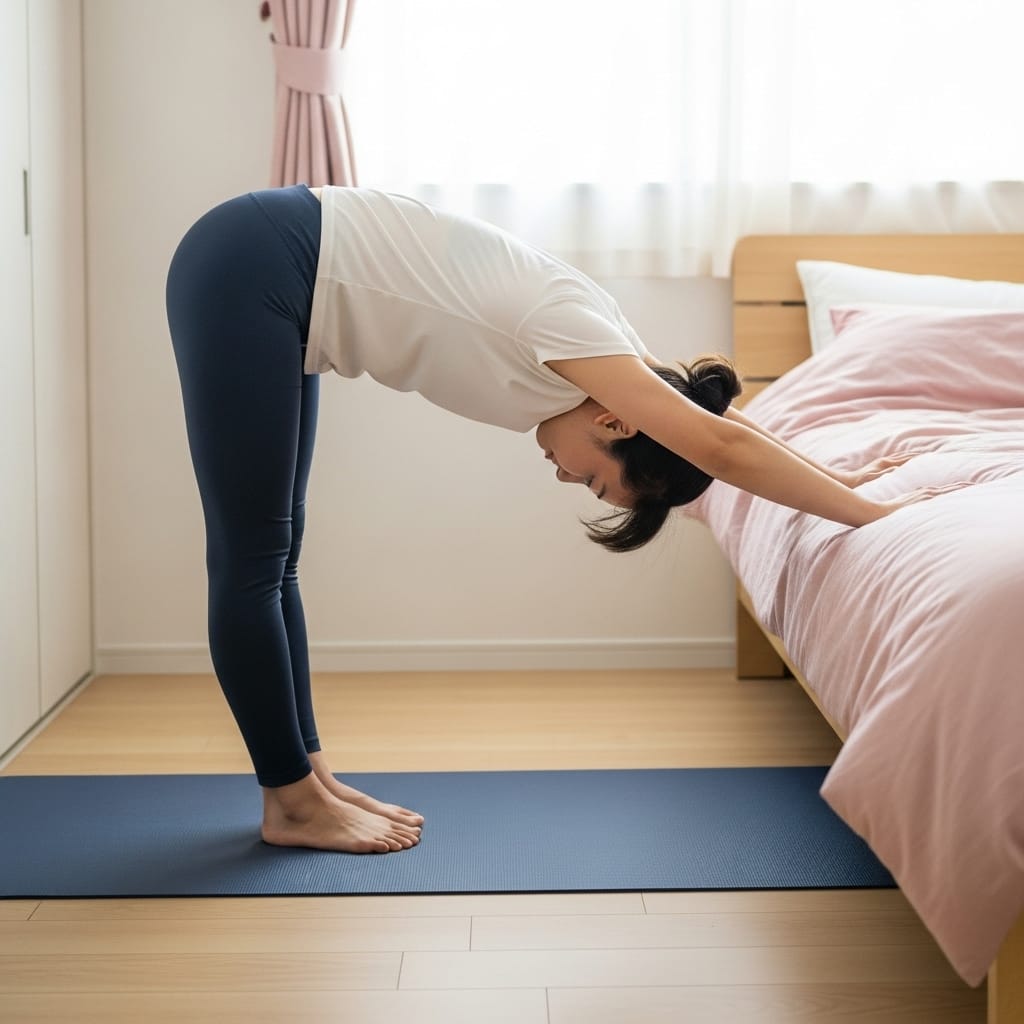
If you suffer from persistent back pain, find yourself slouching over your desk, or notice your walking stride has become stiff and unstable, you are likely struggling with a fundamental movement problem. Most people incorrectly blame their pain on a weak core or a bad chair. However, doctors and physical therapists agree that the real culprit is a forgotten skill—a primal, essential movement pattern that modern life has slowly erased from our muscle memory.
That movement is the Hip Hinge. It is the simple, correct way to bend your body at the hips while keeping your back straight. Mastering the Hip Hinge is the single most effective, natural fix for chronic issues, providing three immediate and profound benefits: fixing posture, ending back pain, and restoring effortless walking. By understanding and retraining this basic movement, you unlock a powerful mechanism for strength and longevity that changes how you interact with the world every single day.
The Root Problem: The Spine Hinge vs. The Hip Hinge
The reason back pain and poor posture are so rampant is that the vast majority of people bend incorrectly. Instead of initiating movement from the strongest joint in the body (the hip), they rely on the most vulnerable joint: the lumbar spine (lower back).
The Compensation Cascade
Years of sitting and sedentary behavior have led to “gluteal amnesia” (dormant glute muscles) and stiff hamstrings, forcing the lumbar spine to take over the role of bending and lifting.
- The Spine Hinge Mistake: When you reach down to pick up a grocery bag or bend over to tie your shoes, you round your lower back. This puts immense, shearing stress on the delicate spinal discs, leading to slipped discs, chronic stiffness, and radiating pain. This slouching and bending also pulls the shoulders forward, creating the classic “text neck” posture we see everywhere.
- The Hip Hinge Solution: The Hip Hinge teaches you to move your torso by pushing your hips back, engaging the powerful glutes and hamstrings while maintaining a neutral, protected spine. This shifts the load away from the vulnerable lower back and onto the large, strong muscles designed to handle heavy loads.
Benefit 1: Ending Chronic Lower Back Pain
The Hip Hinge is the most powerful rehabilitative movement for the back because it establishes a safe, foundational movement pattern for all bending.
Engaging the Posterior Chain
The Hip Hinge is the primary activator of the posterior chain—the group of muscles running along the back of your body (spinal erectors, glutes, and hamstrings).
- The Mechanism: When you properly hinge, you teach these muscles to fire synergistically. This strengthens the muscles that directly support the spine, creating a natural corset of strength that stabilizes your core and prevents excessive movement in the lumbar region.
- The Relief: By consistently transferring the load from your small lower back muscles to your massive glutes and hamstrings, you decompress the spinal discs and eliminate the chronic strain that causes persistent back pain. This is the fundamental truth behind why lifting heavy weights correctly is safer than lifting a pen incorrectly.
Benefit 2: Fixing Posture (The Anti-Slouch Effect)
Slouching isn’t a lack of discipline; it’s a lack of hip mobility and glute strength. The Hip Hinge automatically corrects this.
Reclaiming Neutral Spine
The Hip Hinge reinforces the neutral spine position—the natural, gentle “S” curve of your back.
- The Connection: Proper hinging requires you to keep your chest lifted and your shoulders back (retracted) to maintain that neutral spinal position throughout the movement. By practicing this dozens of times a day—even as you bend over the sink—you unconsciously reprogram your body to hold this correct, upright posture when standing and sitting.
- The Result: The strengthened glutes and hamstrings act as anchors, preventing your hips from tilting forward (anterior pelvic tilt), which is the primary cause of the “slouch” and the protruding stomach often associated with poor posture.
Benefit 3: Making Walking Effortless
While it seems counterintuitive, mastering a bending movement like the Hip Hinge is crucial for improving your straight-ahead walking stride.
Activating the Glutes for Propulsion
Walking should be driven by the extension of the hip (the glutes pushing the body forward), not by the calf muscles or the hip flexors.
- The Problem: People who can’t Hip Hinge also can’t properly extend their hips when walking. They take short, shuffling steps and rely on the small muscles in the lower legs. This makes walking feel stiff, slow, and fatiguing.
- The Hip Hinge Fix: The Hip Hinge directly trains the glutes to fire powerfully and fully extend the hip—the exact movement needed for a long, powerful, and effortless walking stride. When your glutes are activated, your walking gait becomes stable, reduces strain on your knees, and makes even long walks feel light and easy.
How to Master the Hip Hinge: The 3-Step Drill
Mastering the Hip Hinge requires teaching your brain to separate the movement of your hips from the movement of your back. Here is the simplest, most effective way to learn.
Drill 1: The Wall Tap Test
This drill uses sensory feedback to ensure your hips are moving, not your spine.
- Action: Stand a few inches away from a wall, facing away from it. Place your feet hip-width apart. Slowly push your hips back until your butt gently taps the wall. Keep your knees slightly bent and your chest lifted.
- Focus: The goal is to move only your hips and torso as a single unit. Your head and shoulders should move down and forward, but your back angle must remain locked and flat.
Drill 2: The Dowel Rod Guide
This is the ultimate test to ensure spinal neutrality.
- Action: Hold a broomstick or dowel rod vertically along your spine. It must touch three points: the back of your head, the middle of your upper back, and your tailbone.
- Focus: Hinge forward by pushing your hips back while keeping the rod touching all three points. If the stick loses contact with your lower back, you have rounded your spine—correct it immediately.
Drill 3: The Kettlebell Deadlift (Starting Light)
Once you master the movement pattern, you must introduce a small load to solidify the strength in the posterior chain.
- Action: Perform the Hip Hinge while holding a light kettlebell or dumbbell between your legs. Focus on driving the hips forward powerfully at the top of the movement to contract the glutes.
- Focus: The weight should primarily be supported by your hamstrings and glutes, not your back. This transition from pure movement to strength training is the key to sustained longevity and pain relief.
Final Thoughts
The Hip hinge fixes your posture, ends back pain, and makes walking effortless. By relearning how to bend at your hips instead of your spine, you transfer the immense load of daily life to the powerful glutes and hamstrings they were designed to handle. This not only ends chronic lower back pain by stabilizing the spine but also automatically restores a confident, upright posture and gives you the functional strength needed for powerful, effortless walking throughout your longevity journey. Start practicing the Wall Tap Test today, and feel the difference immediately.
Related Articles
- These 5 Pelvic Floor Exercises Can Transform Your Core, Bladder, and Bedroom—And Most Men Have No Idea
- Want Bigger Glutes and Quads? Science Reveals the Exact Rep Ranges That Actually Work
- This 12-Minute Yoga Routine Reverses Bone Loss Better Than Walking—Doctors Are Stunned
- Men Over 50 Are Building Muscle Faster Than Ever—Here’s the Science Behind the Surge
- Struggling With Tight Hips? These 5 Moves Help You Stay Strong and Mobile as You Age
- This Core Exercise Looks Easy—Until You Try It. Here’s How I Finally Made It Work