FREE SHIPPING OVER $50

The Missing Link: Why Your Thyroid Meds Aren’t Working Without These 10 Essential Nutrients

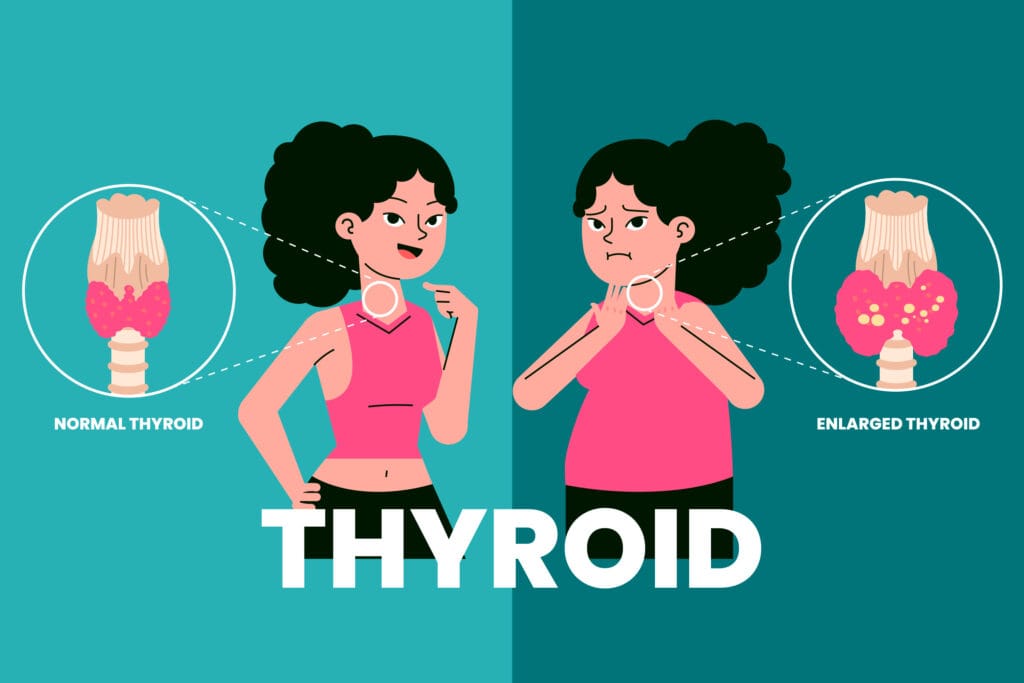
If you are currently taking thyroid medication but still find yourself struggling with thinning hair, stubborn weight gain, and a brain that feels like it is wrapped in a thick fog, you are definitely not alone. Millions of people across the country faithfully take their daily dose of Levothyroxine or Synthroid, yet they continue to feel like a shell of their former selves. It is incredibly frustrating to have your doctor tell you that your lab results are “perfectly normal” when you still need a nap at two o’clock in the afternoon just to make it through the day. This disconnect usually happens because your medication is only one half of a very complex biological puzzle.
The reality is that thyroid medication—usually a synthetic version of the hormone T4—is just a raw material. For that pill to actually give you energy, your body has to perform a series of difficult “activations” and “conversions” to turn it into T3, the active form of the hormone that every cell in your body craves. If your body lacks certain “helper” nutrients, that T4 just sits in your system like a car without a spark plug; you have the fuel, but you aren’t going anywhere. To bridge this gap, we need to look at the ten essential nutrients that act as the missing link between your medication and a metabolism that actually works.
Why “Normal” Lab Results Don’t Always Mean You Feel Good
Standard medical testing often focuses exclusively on TSH (Thyroid Stimulating Hormone). While this is a helpful marker of how hard your brain is shouting at your thyroid to work, it tells us almost nothing about what happens once the hormone enters your bloodstream. Your thyroid produces T4, which is largely inactive. For your metabolism to fire up, your liver, gut, and peripheral tissues must convert that T4 into T3.
This conversion process is entirely dependent on specific vitamins and minerals. Think of these nutrients as the workers on a factory assembly line. If the workers are missing, the assembly line grinds to a halt, no matter how much raw material (medication) the manager provides. Consequently, you can have “perfect” T4 levels on paper while your cells are effectively starving for the active T3 they need to function. This is why addressing nutritional deficiencies is often the turning point for people who feel stuck in a thyroid-related rut.
The 10 Essential Nutrients Your Thyroid Meds Need to Succeed
If you want to unlock the full potential of your medication and finally see a change in your energy and mood, you need to ensure these ten nutrients are present in your daily routine.
1. Selenium: The Conversion Catalyst
Selenium is perhaps the most critical nutrient for anyone on thyroid medication. This mineral is the primary component of the enzymes called deiodinases, which are responsible for stripping an iodine atom off T4 to turn it into active T3. Without enough selenium, your body simply cannot make this conversion happen efficiently. Moreover, selenium acts as a powerful antioxidant that protects the thyroid gland itself from oxidative damage, which is especially important if you have an autoimmune condition like Hashimoto’s.
2. Zinc: The Hormone Activator
Zinc plays a dual role in thyroid health. First, it is required for the production of TSH in the brain, ensuring your thyroid signaling stays strong. Second, zinc is vital for the “receptor sensitivity” of your cells. Even if you have plenty of active T3 in your blood, it won’t do you any good if it can’t get inside your cells. Zinc helps ensure the “doors” to your cells are unlocked and ready to receive the hormone. Interestingly, a lack of zinc can lead to hair loss—a classic thyroid symptom that often persists even after starting medication.
3. Iron (Specifically Ferritin)
Iron deficiency is one of the most common reasons thyroid medication fails to resolve symptoms. You need iron to produce an enzyme called thyroid peroxidase (TPO), which is the engine of hormone production. However, even more important is your ferritin level—the storage form of iron. If your ferritin is low (even if you aren’t technically anemic), your body cannot properly utilize thyroid hormone. Many neurologists and endocrinologists recommend that thyroid patients aim for a ferritin level of at least 70 to 90 ng/mL for optimal hair growth and energy.
4. Magnesium: The Metabolic Spark
Magnesium is involved in over 300 biochemical reactions in the body, and thyroid function is near the top of that list. This mineral helps relax the central nervous system, which is often overtaxed in people with thyroid issues. Furthermore, magnesium is necessary for the conversion of T4 into T3. If you find that your thyroid issues come with muscle cramps, insomnia, or anxiety, a magnesium deficiency might be the hidden culprit preventing your medication from working its magic.
5. Vitamin D: The Immune Regulator
Vitamin D is actually a hormone, and it has a profound impact on the immune system. A vast majority of thyroid cases in the United States are autoimmune in nature. Low Vitamin D levels are strongly linked to higher thyroid antibody counts, meaning your immune system is more likely to attack your thyroid gland. By optimizing your Vitamin D levels (aiming for 50-80 ng/mL), you can help “calm” the immune system, allowing your medication to work in a more stable environment.
6. Vitamin A: The Receptor Key
While everyone talks about Vitamin C, Vitamin A is the unsung hero of the endocrine system. Vitamin A is essential for the T3 receptor to actually send a signal to your DNA to “speed up the metabolism.” Without Vitamin A, the active T3 hormone might reach the cell, but it won’t be able to deliver the message. This can lead to a state of “thyroid resistance” where your blood levels look fine, but your body acts as though it is hypothyroid.
7. Vitamin B12: The Energy Foundation
B12 deficiency and thyroid issues often go hand-in-hand because both conditions frequently involve low stomach acid or gut issues. Since thyroid hormone regulates the speed of your digestion, a slow thyroid often means poor absorption of B12. This creates a vicious cycle of fatigue and “brain fog.” Even if your thyroid levels are corrected with meds, you will never feel truly energetic if your B12 levels are in the basement.
8. Iodine: The Essential Building Block
Iodine is the primary ingredient of thyroid hormone—T4 is simply a molecule of the amino acid tyrosine with four iodine atoms attached. However, you must be careful with iodine. While a deficiency prevents hormone production, an excess can actually trigger an autoimmune flare in some people. It is always best to get your iodine from whole food sources like seaweed or sea salt rather than high-dose supplements unless you are working directly with a practitioner.
9. Tyrosine: The Structural Base
As mentioned, thyroid hormone is built on a base of the amino acid L-tyrosine. If you are not consuming enough protein or if your digestion is compromised, you may lack the raw structural material to build the hormone in the first place. Tyrosine is also a precursor to dopamine and norepinephrine, which explains why people with thyroid issues often suffer from low mood and lack of motivation.
10. Omega-3 Fatty Acids: The Inflammation Fighter
Inflammation is the enemy of the thyroid. When your body is inflamed, it produces a substance called Reverse T3 (rT3). Think of rT3 as the “brake pedal” for your metabolism. It looks like T3, but it blocks the receptors and prevents the “gas pedal” (active T3) from working. Omega-3s from high-quality fish oil or algae help lower systemic inflammation, which in turn lowers Reverse T3 and lets your medication actually do its job.
How to Bridge the Gap and Feel Better
Transitioning from “medicated but tired” to “vibrant and healthy” requires a proactive approach to your nutrition. You cannot expect a single pill to fix a complex system that relies on so many moving parts. Transitioning your diet to include more whole foods, such as Brazil nuts for selenium, grass-fed beef for iron and zinc, and leafy greens for magnesium, is an excellent start.
However, because many thyroid patients suffer from gut issues or “leaky gut,” simply eating these foods might not be enough. You may need to work with a functional medicine practitioner to test your nutrient levels and consider high-quality, bioavailable supplements to correct long-standing deficiencies. Remember, your thyroid medication isn’t failing you; it is simply waiting for its “team” of nutrients to arrive so it can finally get to work.
Conclusion
Taking thyroid medication is often a necessary step for managing hypothyroidism, but it is rarely the final step. By understanding the “Missing Link” of these ten essential nutrients, you can take control of your health and finally bridge the gap between “normal” lab results and a body that feels truly alive. From the conversion power of selenium to the receptor-opening ability of Vitamin A, each of these vitamins and minerals plays a non-negotiable role in your metabolic health. Don’t settle for a life of “brain fog” and fatigue. Ensure your body has the nutritional support it needs to activate your medication, lower your inflammation, and reclaim the energy you deserve. Your thyroid is the master regulator of your body; give it the tools it needs to lead you toward a long and vibrant life.
Related Articles
- Doctor Reveals: The ONE Toxic Ingredient in US Vitamins That European Food BANS (And Why I Felt Better Instantly)
- Scientists Reveal 9 Everyday Foods That Reverse Diabetes-Related Aging and Make You Feel 20 Years Younger
- Why Authentic Pasta Doesn’t Wreck Your Blood Sugar (Unlike the Carbs Most Americans Eat)
- Eat Breakfast at This Time to Live Longer—New Longevity Study Reveals the Ideal Window
- Stop the Clock: Doctors Say This ONE Diabetes Mistake Ages Your Body 10 Years Faster