FREE SHIPPING OVER $50
The Liver Betrayal: 12 “Healthy” Supplements That Are Secretly Toxic (Hepatologist Warning)

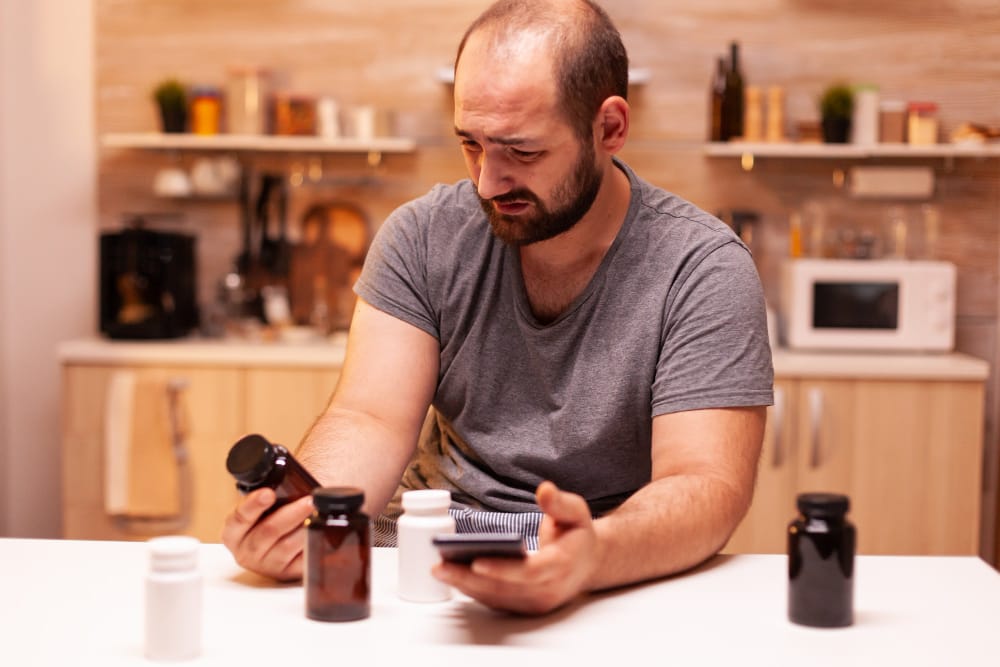
We generally assume that if a product is sitting on the shelf of a health food store, it must be safe. We live in an era where “natural” is often equated with “harmless,” leading many of us to curate extensive morning vitamin routines designed to optimize everything from our metabolism to our sleep. We swallow handfuls of capsules, powders, and tinctures, believing we are giving our bodies the ultimate edge in the quest for longevity. However, there is a massive regulatory loophole in the supplement industry that many consumers completely overlook. Unlike pharmaceutical drugs, which must undergo rigorous clinical trials to prove safety and efficacy before they hit the market, dietary supplements are largely self-regulated.
This lack of oversight has led to a rising medical phenomenon that hepatologists—doctors who specialize in the liver—call Drug-Induced Liver Injury (DILI). While the liver is an incredibly resilient organ capable of regenerating itself, it is not invincible. Its primary job is to process and detoxify every single thing you ingest. When you introduce highly concentrated herbal extracts or synthetic compounds in the form of supplements, you can accidentally overwhelm the liver’s metabolic pathways. What starts as a “health hack” can quickly turn into a “liver betrayal,” where the very pills meant to heal you begin to cause silent, internal scarring or acute failure.
The Silent Struggle of the Liver
The liver is often called the “silent organ” because it rarely complains until the damage is severe. You might feel a bit of fatigue, some minor bloating, or perhaps a dull ache in your upper right abdomen, but because these symptoms are so vague, most people ignore them. By the time jaundice (yellowing of the eyes and skin) or dark urine appears, the liver is already in deep distress.
Interestingly, a significant percentage of liver transplant cases in the United States are now linked back to herbal and dietary supplements rather than alcohol or viral hepatitis. This shift has prompted experts at the Liver Toxicity Data Integration System (LiverTox) to keep a close watch on the most common offenders. Below, we break down the 12 supplements that have been most frequently linked to hepatotoxicity.
Supplement Risk Profile: Perceived Benefit vs. Liver Reality
| Supplement | Common Use | Potential Liver Risk |
| Green Tea Extract | Weight loss / Antioxidant | Acute liver failure in high doses. |
| Kava Kava | Anxiety / Stress relief | Severe hepatitis and liver scarring. |
| Garcinia Cambogia | Fat burning | Chemical-induced liver injury. |
| Black Cohosh | Menopause symptoms | Rare but severe toxic hepatitis. |
| Vitamin A | Skin / Vision health | Cirrhosis and portal hypertension. |
| Anabolic Steroids | Muscle building | Bile duct damage and liver tumors. |
12 Supplements That Are Secretly Toxic To The Liver
1. Green Tea Extract (Concentrated EGCG)
While sipping a cup of brewed green tea is perfectly healthy, taking a concentrated Green Tea Extract (GTE) is a completely different story. GTE contains high levels of epigallocatechin gallate (EGCG), a potent catechin. In a liquid tea form, the concentration is low enough for the liver to handle easily. However, in pill form, the dose can be 50 times higher. Hepatologists have documented numerous cases where high-dose EGCG caused acute liver failure, sometimes requiring an emergency transplant. The toxicity is often “idiosyncratic,” meaning it happens unpredictably in certain people, but the risk is high enough that several countries have issued formal warnings.
2. Kava Kava
Kava is a traditional root from the South Pacific used for its calming, sedative effects. While it is effective for anxiety, it has a dark history with liver health. The FDA issued a public warning about Kava as early as 2002 after reports of severe liver injury surfaced. Scientists believe that certain compounds in Kava, or perhaps the way it is processed, interfere with liver enzymes or deplete glutathione, the liver’s primary antioxidant. If you choose to use Kava, it is vital to avoid mixing it with alcohol, which acts as a force multiplier for liver damage.
3. Garcinia Cambogia
This tropical fruit extract became a household name due to its alleged fat-burning properties. Unfortunately, the “burn” might be happening to your liver instead of your waistline. Multiple case reports have linked Garcinia Cambogia to acute liver injury, with some patients developing symptoms within just a few weeks of starting the supplement. Consequently, many medical professionals suggest avoiding this ingredient entirely, as the weight loss benefits are marginal compared to the risk of organ damage.
4. Black Cohosh
Often marketed as a natural alternative to hormone replacement therapy, Black Cohosh is a popular choice for women experiencing hot flashes. While most women tolerate it well, there have been dozens of documented cases of liver inflammation and failure associated with its use. Because many “proprietary blends” for menopause contain multiple herbs, it can be difficult to pinpoint Black Cohosh as the sole culprit, but hepatologists remain extremely cautious about its long-term safety.
5. High-Dose Vitamin A (Retinol)
Vitamin A is a fat-soluble vitamin, meaning your body stores the excess in your liver rather than flushing it out through your urine. When you take high-dose Vitamin A supplements over a long period, the liver’s storage cells become “clogged,” leading to a condition called hypervitaminosis A. This can cause the liver to swell and eventually lead to cirrhosis, the same type of permanent scarring seen in chronic alcoholics. Most Americans get plenty of Vitamin A from colorful vegetables, making high-dose supplementation unnecessary for the average person.
6. Anabolic Steroids and “Muscle Enhancers”
Many products marketed as “legal steroids” or “testosterone boosters” found in fitness shops are laced with synthetic anabolic-androgenic steroids. These compounds are notoriously hard on the liver. They can cause a condition called peliosis hepatis, where blood-filled cysts form in the liver, and they significantly increase the risk of liver tumors. Furthermore, they often cause “cholestasis,” a condition where bile cannot flow from the liver to the duodenum, causing severe itching and jaundice.
7. Chaparral
Chaparral is an herbal supplement derived from a desert shrub, often promoted for its “cleansing” or anticancer properties. However, it contains nordihydroguaiaretic acid, which can be toxic to liver cells. The FDA has warned against the use of Chaparral due to reports of hepatotoxicity that ranges from mild inflammation to total liver failure.
8. Comfrey
Comfrey is a herb that contains pyrrolizidine alkaloids (PAs). These chemicals are known to cause veno-occlusive disease, a condition where the small veins in the liver become blocked. This leads to liver congestion and damage. While Comfrey is generally considered safe for topical use (on the skin), ingesting it is a major “red flag” for your liver.
9. Iron (In Excess)
While iron is essential for carrying oxygen in your blood, too much of it is toxic. Like Vitamin A, iron is stored in the liver. If you take iron supplements without a diagnosed deficiency, you risk “Iron Overload,” which can trigger oxidative stress and DNA damage in liver cells. Over time, this can lead to liver cancer or heart failure.
10. Germander
Traditionally used for weight loss and gout, Germander was actually banned in France and other European countries after being linked to numerous cases of hepatitis. The plant contains furano-diterpenoids, which the liver converts into toxic metabolites. Despite the bans, it occasionally still appears in “natural” weight loss tea blends sold online.
11. Greater Celandine
This herb is often found in digestive “bitters” or liver-support blends. The irony is that Greater Celandine itself can cause liver inflammation. Clinical studies have shown that it can trigger a sharp rise in liver enzymes, indicating that the organ is under attack. Most hepatologists recommend avoiding any product that lists this ingredient.
12. Pennyroyal Oil
Pennyroyal is a member of the mint family, but it is far from refreshing for your organs. It contains a toxic compound called pulegone. While pennyroyal tea is sometimes used in folk medicine, the oil is extremely concentrated and can be fatal. Even small doses can cause massive liver necrosis (cell death) and multi-organ failure.
How to Protect Yourself: The “Smarter Supplement” Strategy
You do not have to give up on supplements entirely to keep your liver safe. The key is to move away from “miracle cures” and toward evidence-based nutrition. By following a few simple rules, you can significantly reduce your risk of a liver betrayal.
- Avoid “Proprietary Blends”: If a company won’t list the exact milligram amount of every ingredient, don’t buy it. These blends often hide high doses of the toxic herbs listed above.
- Look for Third-Party Testing: Only buy supplements that have been verified by independent labs like USP, NSF, or Informed Choice. This ensures that what is on the label is actually in the bottle.
- Consult a Professional: Always run your supplement list by your primary care doctor or a pharmacist. They can check for interactions with your medications and your medical history.
- Focus on Food First: The liver handles nutrients from whole foods much more efficiently than it handles concentrated powders and pills.
Conclusion
The “Liver Betrayal” is a sobering reminder that “natural” does not always mean “safe.” While we take vitamins and supplements to improve our longevity and vitality, the lack of regulation in the industry means we must be our own advocates. From Green Tea Extract to Kava Kava, many popular products carry a hidden risk of hepatotoxicity that can lead to permanent damage or liver failure. Your health journey should be built on a foundation of safety, not on the empty promises of “miracle” extracts. Respect your liver, simplify your routine, and always prioritize the quality of your supplements over the quantity.
Related Articles
- Stop Taking Them Separately: The ‘Synergy Switch’ That Happens When You Pair Garlic and Fish Oil
- Doctor Reveals: The ONE Toxic Ingredient in US Vitamins That European Food BANS (And Why I Felt Better Instantly)
- Doctors Reveal 8 Natural Supplements That Calm Acid Reflux Fast
- The Breakthrough Longevity Supplement Everyone Will Be Talking About in 2026
- The Silent Supplement Transforming Gut Health, Muscle Recovery, and Brain Power