FREE SHIPPING OVER $50

The Japanese Superfood Linked to an 84-Year Lifespan — 90% of Americans Skip It

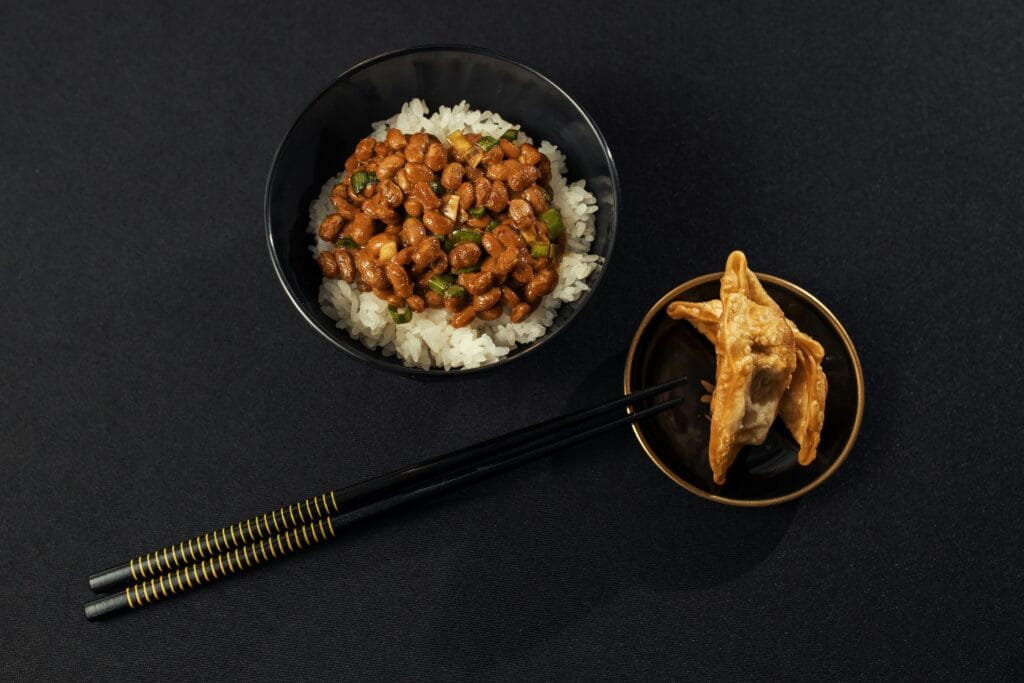
If you look at global health statistics, Japan consistently claims the top spot for longevity. With an average life expectancy of around 84 years, their population isn’t just living longer; they are often living “better” well into their senior years. While many people credit green tea or raw fish, there is a specific, pungent, and slightly polarizing superfood that health experts believe is the real heavy lifter.
Despite its incredible biological benefits, roughly 90% of people in the West have never tried it, and many who have tried it once vow never to touch it again. We are talking about natto.
What Exactly is Natto?
Natto is a traditional Japanese dish made from soybeans that have been fermented with a specific bacterium called Bacillus subtilis natto. Unlike tofu or edamame, natto has a very distinct profile. It is famous for its powerful, cheese-like aroma and a sticky, stringy, almost “slimy” texture.
In Japan, it is a breakfast staple. People typically stir it vigorously until it becomes frothy, season it with a bit of soy sauce or hot mustard, and pour it over a warm bowl of white rice. While the texture might be a hurdle for the uninitiated, the nutritional density of this food is almost unparalleled in the plant kingdom.
The Secret Weapon: Nattokinase and Heart Health
The primary reason researchers link natto to the Japanese 84-year lifespan is an enzyme called nattokinase. During the fermentation process, the bacteria produce this unique enzyme, which acts as a natural blood thinner.
Cardiovascular disease remains the leading cause of death in the United States. In contrast, Japan has significantly lower rates of heart disease. Studies suggest that nattokinase helps dissolve blood clots and improves blood flow. By breaking down fibrin, a protein involved in blood clotting, nattokinase keeps the “pipes” of the human body clear.
Furthermore, regular consumption of nattokinase is associated with lower blood pressure levels. When your heart doesn’t have to work as hard to pump blood through the body, you reduce the long-term wear and tear on your arterial walls. This single enzyme essentially functions as a natural defense system against strokes and heart attacks.
The Vitamin K2 Goldmine
Most people are familiar with Vitamin C for immunity or Vitamin D for mood, but Vitamin K2 is the unsung hero of longevity. Natto is the highest dietary source of Vitamin K2 (specifically the MK-7 variant) in the world.
Why does K2 matter so much? It acts as a traffic controller for calcium. Without enough K2, calcium can end up in the wrong places—like your arteries—causing them to stiffen. Vitamin K2 activates proteins that grab calcium from the bloodstream and deposit it into your bones and teeth, where it actually belongs.
Benefits of High Vitamin K2 Intake:
- Bone Density: It significantly reduces the risk of fractures and osteoporosis, which is vital for an aging population.
- Arterial Elasticity: By preventing calcium buildup in the heart, it keeps arteries flexible.
- Dental Health: It supports the remineralization of teeth from the inside out.
Why 90% of Americans Skip It
If natto is so healthy, why aren’t we seeing it in every grocery store from New York to California? The answer boils down to the “sensory experience.”
Western palates are generally unaccustomed to the mucilaginous (slimy) texture of fermented beans. In the US, “slimy” is a texture often associated with food spoilage. Additionally, the smell is frequently compared to aged blue cheese or even dirty gym socks. Because we eat with our eyes and noses before our mouths, natto often fails the first impression test.
However, the “90% skip rate” represents a massive missed opportunity for preventative health. While many Americans spend hundreds of dollars on synthetic supplements, a single serving of natto provides a more bioavailable version of those same nutrients for a fraction of the cost.
Natto vs. Other Common Superfoods
To understand why natto stands alone, it helps to compare it to other popular “health foods” commonly found in American kitchens.
| Nutrient/Benefit | Natto | Greek Yogurt | Spinach |
| Probiotics | Extremely High | High | None |
| Vitamin K2 | World’s Highest | Trace | Low (mostly K1) |
| Protein Content | 18g per 100g | 10g per 100g | 2.9g per 100g |
| Unique Enzymes | Nattokinase | None | None |
| Fiber | High | None | Moderate |
As the table shows, while yogurt is great for gut health, it doesn’t offer the cardiovascular protection that comes with nattokinase. Similarly, while spinach is nutrient-dense, it lacks the protein and probiotic punch of fermented soy.
How to Eat Natto (Even if You Hate It)
If you want to tap into the Japanese secret to longevity but can’t get past the smell, there are ways to bridge the gap. You don’t have to eat it plain.
- The “Avocado Toast” Method: Mash natto with ripe avocado, lemon juice, and red pepper flakes. The creaminess of the avocado masks the stringy texture.
- The Kimchi Mix: Combine natto with spicy kimchi. The bold, acidic, and spicy flavors of the kimchi completely overpower the funky smell of the beans.
- The Stir-Fry Finish: Add natto to a veggie stir-fry at the very end. Heating it slightly (but not boiling it, which kills the enzymes) can change the texture to something more familiar.
- The Green Onion Trick: Use a high ratio of chopped green onions and a drizzle of toasted sesame oil. This is the traditional way to balance the flavor profile.
Related Articles
- Nature’s “Longevity Pill”: Why Science Is Obsessed With Pomegranate Seeds For Anti-Aging
- Forget Pomegranate Seeds: The $2 Superfood with 5x More Antioxidants (Plus 9 Others You’re Missing)
- Never Do This After Eating Salty Foods—Doctors Say It Can Spike Heart Attack Risk
- David Bars for Rapid Fat Loss & Muscle? The Shocking Truth Revealed!
- Constipated? These 5 Drinks Are Your Instant Bathroom Pass (Seriously!)