FREE SHIPPING OVER $50

The Bone-Density Loophole: Why 10 Minutes of Strength Beats Hours of Walking After 50

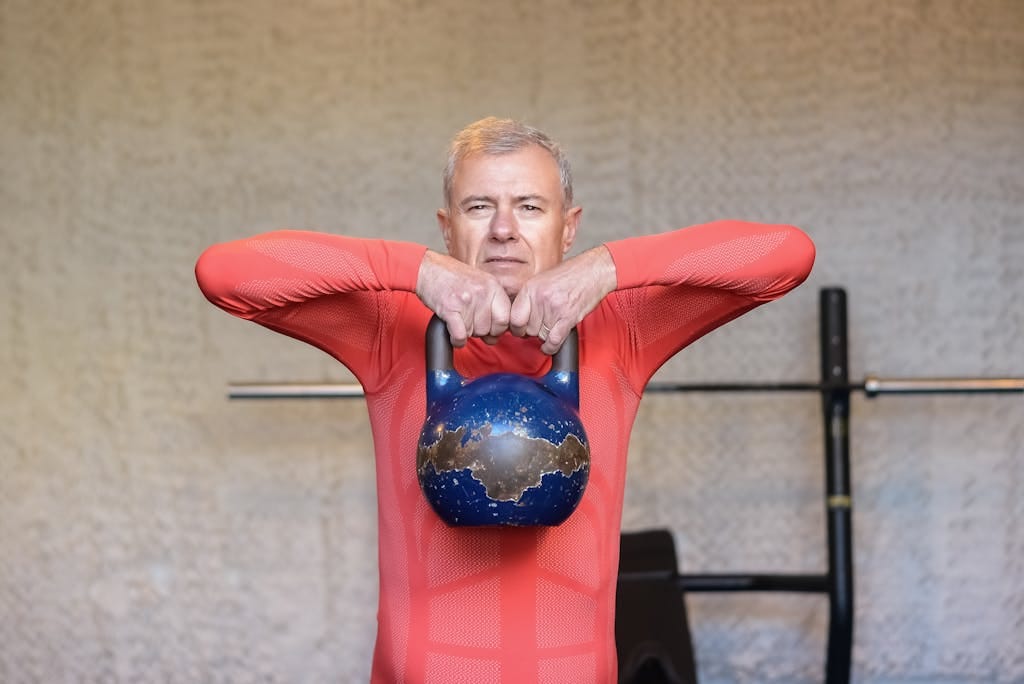
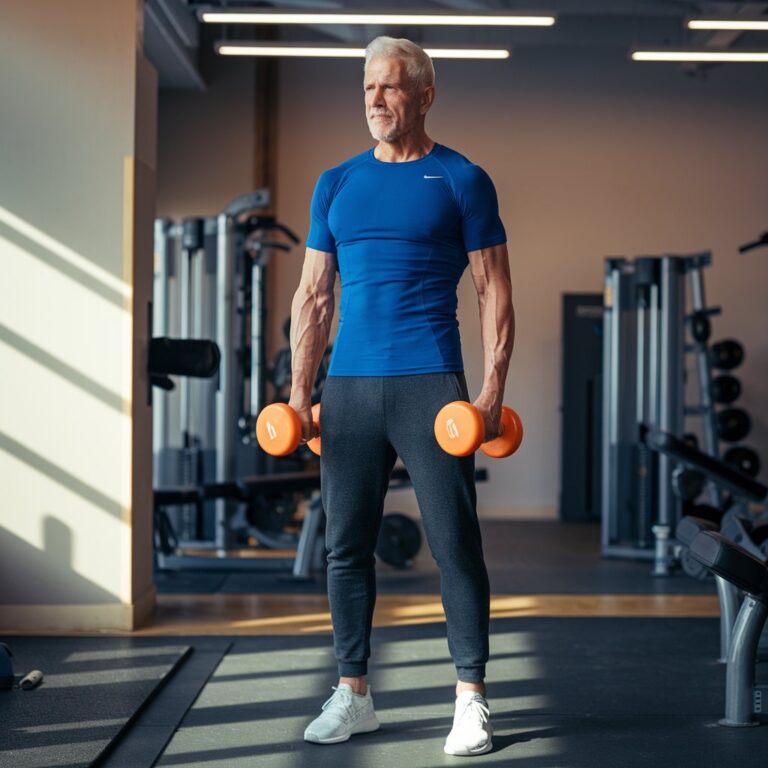
If you are over the age of 50, you have likely been told that walking is the “perfect” exercise. It is low impact, gets you outdoors, and keeps your heart healthy. For years, conventional wisdom suggested that as long as you were getting your steps in, you were doing enough to protect your skeleton. But here is the hard truth that many people find out too late: walking is almost entirely useless for building new bone density.
While walking is excellent for your cardiovascular system, it lacks the one ingredient your bones need to grow: mechanical tension. Your bones are living tissues that respond to stress. If you don’t give them a reason to be strong, they naturally begin to thin as you age. This is why many dedicated walkers are shocked to receive an osteoporosis diagnosis despite their active lifestyle.
Why Walking Fails Your Skeleton

To understand why walking doesn’t cut it, we have to look at Wolff’s Law. This states that bone grows and remodels in response to the forces placed upon it. When you walk, your body adapts to your own body weight very quickly. After a few weeks, your bones “know” how to handle the impact of a step, and they stop seeing it as a challenge.
Consequently, walking becomes a maintenance activity rather than a growth activity. To build bone, you need to apply a load that is significantly greater than what your body is used to. You need to create “micro-strains” in the bone matrix that tell your brain, “Hey, we need more reinforcement down here!”
Furthermore, walking is a repetitive, linear movement. Bone density thrives on “multidirectional” forces. Your hips and spine need to be challenged from different angles and with varying intensities to trigger the osteoblasts—the cells responsible for laying down new bone mineral.
The 10-Minute Growth Signal
The “loophole” lies in the intensity of the stimulus, not the duration. You do not need to spend an hour in a gym lifting heavy barbells to see results. In fact, studies suggest that brief, high-intensity loading is the most effective way to stimulate bone remodeling in post-menopausal women and aging men.
When you perform a strength movement—like a squat or a wall push-up—your muscles pull on your bones via the tendons. This “tugging” action creates a piezoelectric effect, generating a small electric charge that attracts minerals like calcium and phosphorus to the bone. Because this tugging is much stronger during strength training than during a casual stroll, 10 minutes is more than enough to flip the “on” switch for bone growth.
| Exercise Type | Bone-Building Potential | Primary Benefit |
| Walking | Low | Heart health / Mood |
| Swimming | Very Low | Joint mobility (Zero gravity) |
| Strength Training | Very High | Bone density / Muscle mass |
| Yoga | Moderate | Balance / Flexibility |
The 3 Pillars of the Bone-Density Loophole
If you want to maximize your 10 minutes, you need to focus on three specific types of movement. These are the most effective at targeting the areas most prone to fractures: the hips, the spine, and the wrists.
1. Compression Movements
Compression happens when you load the bone along its axis. For the spine, this means movements like overhead presses or even just standing tall with light weights. For the legs, it means squats. When you compress the bone, you force the internal “honeycomb” structure of the bone to toughen up to prevent collapsing.
2. Resistance Tugging
This is where your muscles do the work for you. Exercises like rows or bicep curls might seem like they are just for “show,” but the muscles of the arms and back pull directly on the bones of the forearm and vertebrae. This tugging increases the thickness of the outer “cortical” bone, making it much harder to break during a fall.
3. Impact Loading (The “Stomp”)
You don’t need to jump off a box, but simple “impact” moves can be incredibly effective. Research has shown that something as simple as 20 firm stomps on each foot twice a day can significantly improve hip bone density. This quick jar to the system sends a clear “danger” signal to the body that it needs to reinforce the hip joint immediately.
Your 10-Minute Bone-Building Routine
You can do this routine in your living room with zero equipment, or you can use light dumbbells if you have them. The goal is to move with control and focus on the “squeeze” of the muscle.
- Box Squats (2 Minutes): Sit down into a chair and stand back up without using your hands. This loads the femur and the pelvis.
- Wall Push-Ups (2 Minutes): These build the density of the wrists and the humerus, which are common break points.
- Heel Drops (2 Minutes): Stand on your tiptoes and drop down firmly onto your heels. This sends a vibration through the entire skeleton.
- Modified Bird-Dog (2 Minutes): On your hands and knees, lift opposite arm and leg. This creates a diagonal tension across the spine, strengthening the vertebrae.
- Wall Sits (2 Minutes): Hold a squat position against a wall. The isometric tension is a powerful signal for the lower body bones to harden.
The Role of “Osteogenic Loading”
In recent years, the concept of Osteogenic Loading has gained popularity. This refers to the specific amount of force required to trigger bone growth. Science tells us that we need to reach a threshold of about 4.2 times our body weight to truly “grow” hip bone.
While that sounds intimidating, your muscles can actually generate that level of force internally during a short, intense strength session. This is why 10 minutes of concentrated effort “beats” hours of walking; you are reaching a threshold of intensity that walking simply cannot touch.
Transitioning from “being active” to “training for density” is a mental shift. You aren’t just burning calories; you are sending a structural message to your frame. If you are only walking, you are ignoring the foundation that holds your body upright.
Nutrition: Fueling the Loophole
You can’t build a house without bricks, even if you have the best construction crew. To make the 10-minute loophole work, you must have the right nutrients circulating in your blood.
- Protein is Non-Negotiable: Bone is about 50% protein by volume. If you aren’t eating enough protein, your body will actually “steal” it from your bones to fuel other functions.
- The Vitamin D3 and K2 Connection: Vitamin D absorbs calcium, but Vitamin K2 acts as the “GPS” that tells the calcium to go to your bones instead of your arteries.
- Trace Minerals: Don’t forget Magnesium and Zinc. They are the “co-factors” that allow the bone-building process to happen.
Related Articles
- Creatine for Teens: The “Stunted Growth” Myth vs. What the Science Actually Shows
- Flabby Arms?: The 4 “Anti-Gravity” Moves That Tighten Bat Wings Faster After 45
- 92% of New Year Workouts Fail by February: The ‘Identity Shift’ Secret to Beating the Odds
- The 5 Secret Exercises A-List Celebrities Swear By to Stay Muscular at Any Age
- Stop Wasting Hours: Scientists Say This 20-Minute Window Is the ONLY Time You Need to Build Muscle