FREE SHIPPING OVER $50

The “Banana Color Code”: Why Ripeness Changes Your Metabolism

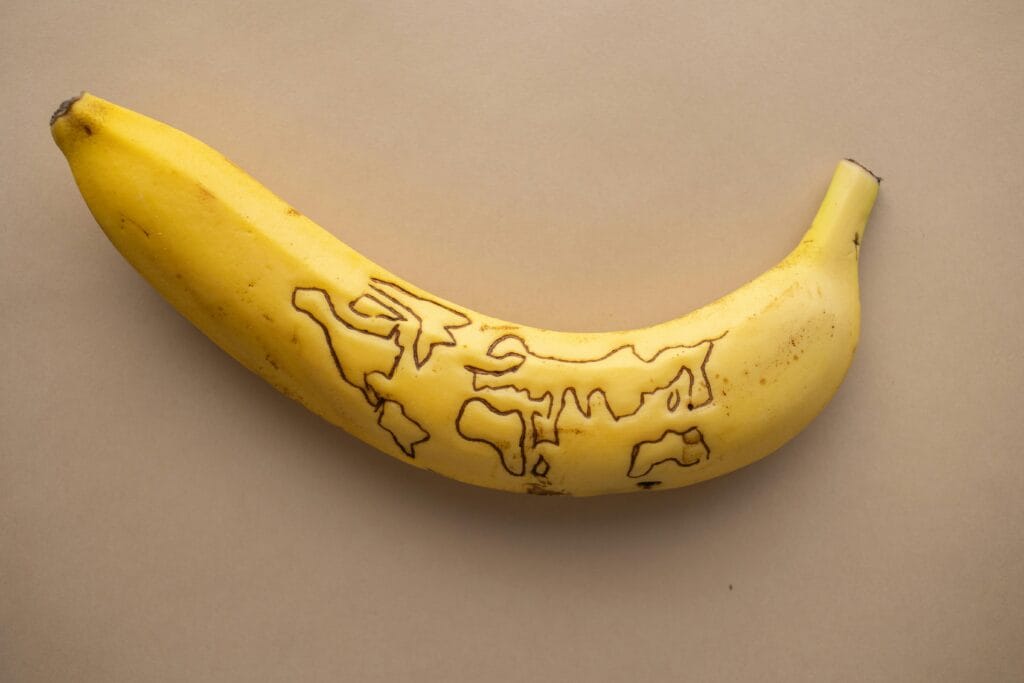
Most of us buy bananas based on convenience. We grab a bunch that looks like it will last the week, hoping we can eat them all before they turn into a mushy, brown mess on the counter. We view the ripening process as a countdown to a smoothie, but there is much more happening under that yellow peel. As a banana changes from green to yellow to spotted brown, its chemical composition undergoes a massive transformation.
This is the “Banana Color Code.” One day the fruit is a high-fiber prebiotic; a few days later, it is a high-sugar energy shot. If you are managing blood sugar, gut health, or weight loss, the color you choose matters. Understanding the transition from starch to sugar allows you to use this fruit as a tool for your specific health goals.
The Science of the Ripening Process
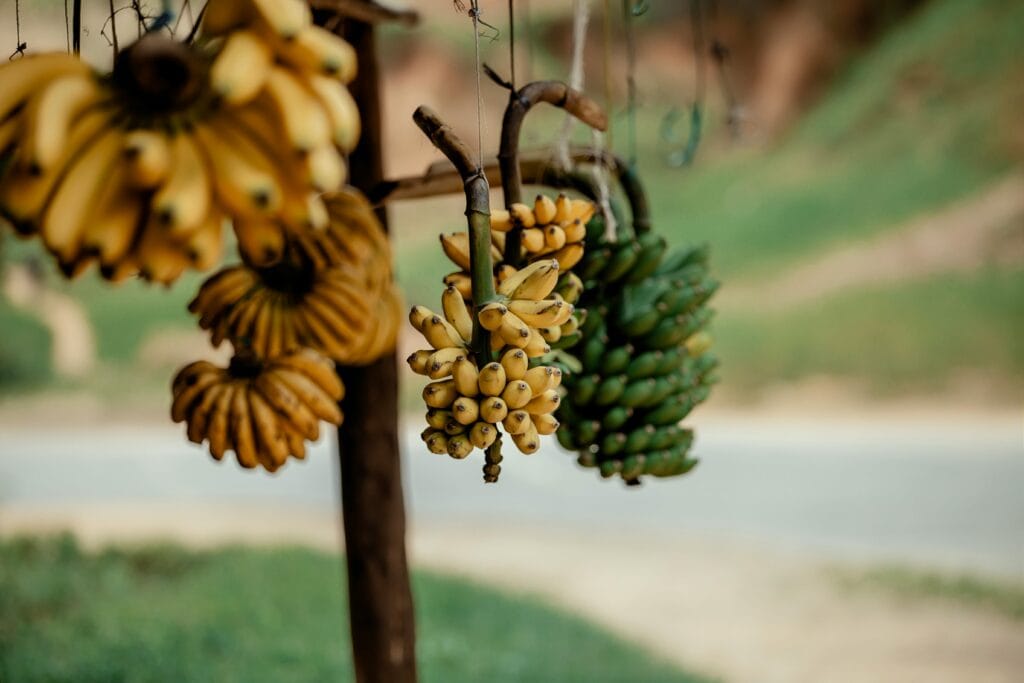
The reason a banana changes so drastically is due to enzymatic activity. Bananas are “climacteric” fruits, meaning they continue to ripen after being picked. As they sit on your counter, they release ethylene gas, which triggers the breakdown of complex carbohydrates into simple sugars.
During the green stage, the fruit is packed with resistant starch. This is a type of carbohydrate that your body cannot easily digest in the small intestine. Instead, it travels to the large intestine, where it acts as a prebiotic. However, as the banana turns yellow and eventually develops brown spots, that starch is converted into sucrose, fructose, and glucose.
This shift doesn’t just change the taste and texture; it changes how your body secretes insulin and how your gut bacteria react. This is the core of the Banana Color Code: the greener the banana, the lower the glycemic impact; the browner the banana, the higher the antioxidant concentration.
Phase 1: The Underripe Green Banana
If you prefer your bananas with a bit of a “snap” and a slightly bitter taste, you are in the green phase. From a metabolic perspective, this is the “weight loss” phase. Because green bananas are loaded with resistant starch, they act more like a fiber than a fruit.
When you eat a green banana, your blood sugar stays stable. The resistant starch doesn’t cause a massive insulin spike because it isn’t absorbed as sugar in the upper digestive tract. Instead, it feeds the beneficial bacteria in your microbiome, specifically promoting the production of butyrate. Butyrate is a short-chain fatty acid that helps repair the gut lining and has been linked to improved insulin sensitivity and lower inflammation.
Moreover, green bananas are incredibly satiating. Because they take longer to break down, they keep you feeling full for much longer than a fully ripe piece of fruit. If you are managing Type 2 diabetes or trying to avoid mid-afternoon energy crashes, the green-tipped banana is your best metabolic ally.
Phase 2: The Bright Yellow Banana
The bright yellow banana is the standard. At this stage, the fruit has achieved a balance between starch and sugar. Much of the resistant starch has converted into simple sugars, making it easier to digest, yet it still retains a significant amount of fiber and pectin.
Yellow bananas are the ultimate “middle ground” for general health. They provide a quick hit of energy that is still moderated by the remaining fiber. They are also at their peak for several key micronutrients:
- Potassium: Vital for heart health and maintaining healthy blood pressure levels.
- Vitamin B6: Essential for brain development and keeping the nervous system healthy.
- Vitamin C: A powerful antioxidant that supports immune function.
From a metabolic standpoint, a yellow banana is a great “pre-workout” snack. It provides enough glucose to fuel your muscles during exercise without being so heavy in starch that it sits like a brick in your stomach.
Phase 3: The Spotted and Brown Banana
Once those little brown freckles appear, many people think the banana is “going bad.” On the contrary, this is when the fruit reaches its peak antioxidant capacity. As the chlorophyll breaks down and the starch fully converts to sugar, the banana produces more concentrated bioactive compounds.
However, there is a metabolic trade-off. A brown-spotted banana is essentially a “sugar bomb.” Its glycemic index is much higher than a green or yellow banana. This means it will cause a faster spike in blood glucose and a subsequent insulin response. For athletes who need immediate recovery after an intense workout, this is perfect. For someone sitting at a desk all day, this could lead to unwanted fat storage.
The Banana Color Code Comparison
| Color Phase | Primary Carb | Metabolic Effect | Best For |
| Dark Green | Resistant Starch | Stable blood sugar | Weight loss / Gut health |
| Yellow | Balanced | Moderate energy | General health / Satiety |
| Spotted | Simple Sugars | Rapid glucose spike | Post-workout / Digestion |
| Fully Brown | Pure Glucose | Maximum insulin hit | Baking / Intense recovery |
Gut Health and Digestion
The Color Code also dictates how your “second brain” reacts. While green bananas are prebiotic powerhouses, they can be difficult to digest for people with sensitive guts or IBS. The heavy starch may cause bloating in some individuals.
In contrast, the simple sugars in a spotted banana are easy to process. If you have digestive distress, moving toward the riper end of the spectrum provides nutrition without the gastrointestinal strain.
Which Color Should You Choose?
The “best” banana depends entirely on your goals for that specific day. There is no one-size-fits-all answer, but you can use the Banana Color Code to your advantage:
- For Weight Loss: Stick to bananas that are still slightly green at the tips. The resistant starch will keep you full and your insulin low.
- For Better Digestion: Choose a yellow banana with no green left. The pectin and fiber will help regulate bowel movements without the heavy starch load.
- For Maximum Antioxidants: Wait for the brown spots. This is when the fruit is most active in terms of fighting oxidative stress.
- For Sustained Energy: Pair a yellow banana with a source of healthy fat, like almond butter. This slows the absorption of the sugars even further.
Avoid the “Sugar Crash” Trap
If you love the taste of a very ripe, spotted banana but worry about the blood sugar spike, there is a simple “metabolic hack.” Never eat a ripe banana on its own. By pairing it with a protein or a healthy fat, you can flatten the glucose curve.
For example, adding a spotted banana to a bowl of Greek yogurt or eating it with a handful of walnuts changes the metabolic math. The fat and protein slow down the gastric emptying process, meaning the sugar enters your bloodstream gradually rather than all at once. This allows you to enjoy the sweetness and high antioxidant levels of a ripe banana without the subsequent energy crash.
Related Articles
- The “Hunger Loop”: 10 “Healthy” Foods That Secretly Disable Your Satiety Switch
- The “Gut Sweep” Hack: The Tiny Seed That Boosts Fiber by 62% Instantly
- Warning: Your Spicy Diet Might Be Ruining Your Gut. Use This “Cooling” Hack to Instantly Reset Your Metabolism
- Stop Tossing Avocado Seeds—Doctors Reveal the Hidden Benefit You’ll Wish You Knew Sooner
- Doctors Reveal 8 Natural Supplements That Calm Acid Reflux Fast