FREE SHIPPING OVER $50

The “Artery Scrubber”: Why This One Forgotten Mineral Prevents Cardiovascular Stiffness

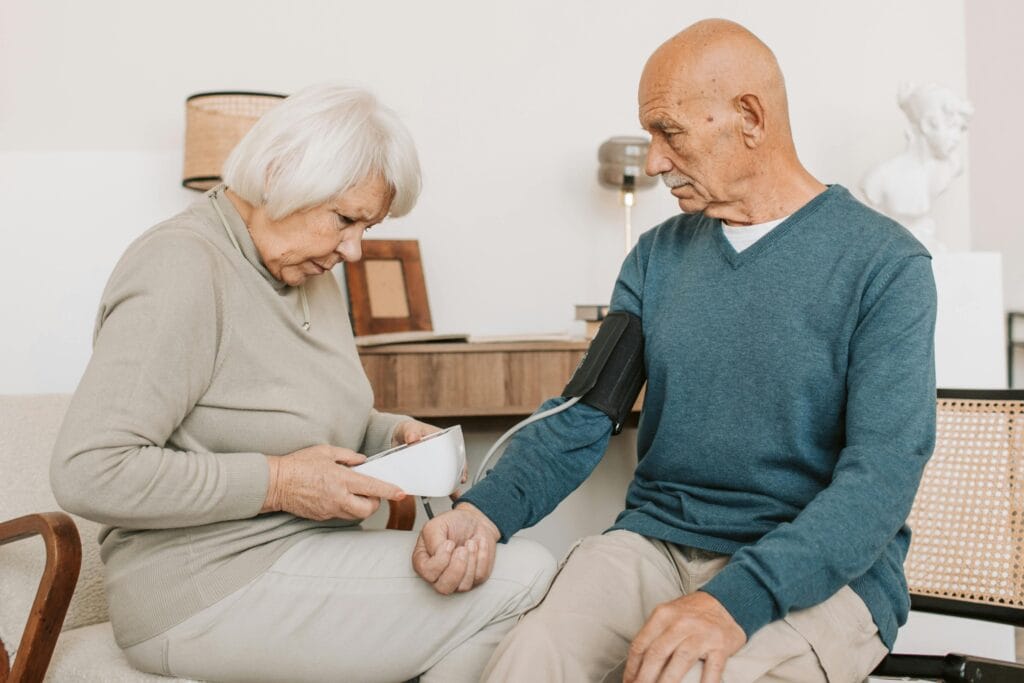
When we talk about heart health, the conversation usually centers on lowering “bad” cholesterol or cutting back on sodium. We have been told for decades that the secret to a long life is a low-fat diet and plenty of cardio. While those factors are important, there is a “silent” driver of heart disease that often goes completely unaddressed: the hardening of the arteries. As we age, our blood vessels tend to lose their elasticity, becoming more like stiff, brittle pipes rather than flexible, rubber tubes. This process, known as vascular calcification, forces the heart to work twice as hard to pump blood, leading to high blood pressure and an increased risk of cardiovascular events.
Surprisingly, the solution to this stiffness might not be found in a pharmacy, but in a “forgotten” mineral—Vitamin K2. While Vitamin K1 is well-known for its role in blood clotting, Vitamin K2 (specifically the MK-7 form) acts as a biological “Artery Scrubber.” It works by directing calcium away from your heart and into your bones, where it belongs. Without enough K2, the calcium you consume through your diet or supplements can end up “sticking” to your arterial walls, creating a plaque that narrows the path for blood flow.
The Calcium Paradox: Why Your Heart is Getting “Stony”
For years, we were encouraged to take massive doses of calcium for bone health. However, recent longevity research has uncovered what scientists call the “Calcium Paradox.” This phenomenon occurs when people have plenty of calcium in their bodies, but it ends up in the wrong places. Instead of strengthening the skeleton, the calcium migrates to the soft tissues, specifically the kidneys (causing stones) and the arteries (causing stiffness).
This is where Vitamin K2 comes into play. It activates a specific protein called Matrix Gla Protein (MGP). MGP is the most powerful inhibitor of soft-tissue calcification currently known to science. When MGP is “turned on” by Vitamin K2, it physically binds to calcium crystals in the arterial wall and flushes them out. Without K2, MGP remains “inactive,” and the calcium is free to settle into your arteries, turning them into stone.
The Mineral Hierarchy: K2 vs. K1 vs. Calcium
| Nutrient | Primary Function | Impact on Arteries |
| Vitamin K1 | Blood Coagulation (Clotting) | Neutral |
| Vitamin K2 | Calcium Distribution/MGP Activation | Protective (Prevents Stiffness) |
| Calcium | Bone Structure/Cell Signaling | Potentially Harmful (If Unregulated) |
| Vitamin D3 | Calcium Absorption | Increases Calcium in the Bloodstream |
Why Modern Diets are Missing the “Artery Scrubber”
You may wonder why you haven’t heard more about Vitamin K2, given its importance for cardiovascular health and longevity. The reason is largely due to the industrialization of our food system. Historically, humans consumed large amounts of K2 through fermented foods and grass-fed animal products. Vitamin K2 is produced by bacteria, and when cows graze on green grass, they convert the K1 in the grass into K2, which ends up in their butter, meat, and milk.
Today, most cattle are grain-fed in feedlots, which means their K2 production is virtually non-existent. Furthermore, the modern Western diet has largely moved away from fermented foods like natto, sauerkraut, and aged cheeses. Consequently, it is estimated that nearly 90% of the US population is deficient in Vitamin K2. We are living in a state of “subclinical deficiency” where we have enough K1 to stop us from bleeding out, but not enough K2 to keep our hearts from calcifying.
The Synergistic Connection: Vitamin D3 and K2
If you are already taking Vitamin D3, you have even more reason to look into Vitamin K2. Vitamin D3 is the “gatekeeper” that helps your body absorb calcium from your gut into your bloodstream. This is great for bone health, but it creates a problem: a surge of “homeless” calcium in the blood.
Taking Vitamin D3 without K2 is like hiring a team of workers to bring bricks (calcium) to a construction site, but not hiring a foreman to tell them where to put the bricks. The workers will just dump the bricks on the sidewalk (your arteries). Vitamin K2 is the foreman. It ensures that the calcium absorbed by the Vitamin D3 actually reaches the “building” (your bones). Longevity experts now recommend always pairing these two vitamins together to ensure maximum heart and bone protection.
5 Signs Your Arteries Might Need a “Scrub”
Because arterial stiffness happens slowly over decades, it is often called a “silent” ager. However, there are several red flags that suggest your body is struggling with calcium distribution and a lack of the “Artery Scrubber” mineral.
- Rising Systolic Blood Pressure: If the top number of your blood pressure reading is creeping up while the bottom number stays the same, it is a classic sign of stiffening vessels.
- Cold Hands and Feet: Poor arterial flexibility leads to reduced micro-circulation in the extremities.
- High Calcium Score: If you have had a CT heart scan and received a “Calcium Score” above zero, you already have active calcification.
- Chronic Joint Stiffness: Calcification doesn’t just happen in the heart; it can happen in the cartilage of your joints, leading to a loss of mobility.
- Low Bone Density: Paradoxically, having weak bones often means your calcium is “leaking” out of your skeleton and into your soft tissues.
How to Get More Vitamin K2 in Your Routine
To keep your arteries as flexible as rubber, you need to be intentional about your K2 intake. There are two main forms of K2: MK-4 and MK-7. While MK-4 is found in animal products, it has a very short half-life in the body. MK-7, derived from fermentation, stays in your system for up to 72 hours, providing a constant “scrubbing” effect for your cardiovascular system.
- Fermented Foods: Natto (fermented soy) is the single highest source of K2 on the planet. If you can’t handle the taste, look at high-quality sauerkraut or kimchi.
- Grass-Fed Fats: Switch to grass-fed butter (like Kerrygold) and pasture-raised eggs. These contain small but significant amounts of K2.
- Aged Cheeses: Gouda, Brie, and Edam are surprisingly high in K2 because of the specific bacteria used in the fermentation process.
- Targeted Supplementation: For those over 40 or with heart concerns, a daily supplement of 100-180 mcg of MK-7 is often recommended by nutritionists to bridge the gap.
Reversing the Damage: Can You Actually “De-Stiffen”?
One of the most exciting areas of longevity research is the potential for Vitamin K2 to not only prevent but actually reverse arterial calcification. In the famous “Rotterdam Study,” which followed 4,800 participants over ten years, those with the highest K2 intake had a 50% lower risk of arterial calcification and a 50% lower risk of cardiovascular death.
More recent animal trials and pilot human studies suggest that high-dose K2 can actually reduce the size of existing calcium deposits. By consistently activating MGP, the body can slowly “chip away” at the stony plaques in the arteries. While this process takes time—often months or years of consistent intake—it offers a glimmer of hope for those who have already been diagnosed with high blood pressure or heart disease. The “Artery Scrubber” isn’t just a preventative measure; it is a vital tool for metabolic repair.
Related Articles
- The “Brain Armor” Discovery: The Specific Vitamin That Slashes Dementia Risk by 40%
- Neurologist Warning: 1 in 3 Adults are Starving Their Brains of the ONE Vitamin That Prevents Cognitive Decline
- Neurologist Reveals: The 3 Simple ‘Brain-Flex’ Routines That Erase Loneliness and Boost Cognitive Health After 60
- The Hidden Cause of Weak Knees After 50—And the Natural Fix Doctors Want You to Know
- The #1 Exercise Strategy for Managing PCOS—And Why Most Women Do It Wrong