FREE SHIPPING OVER $50

The “2 AM Warning” for Seniors: If You Feel This in Your Jaw or Shoulder, Don’t Go Back to Sleep

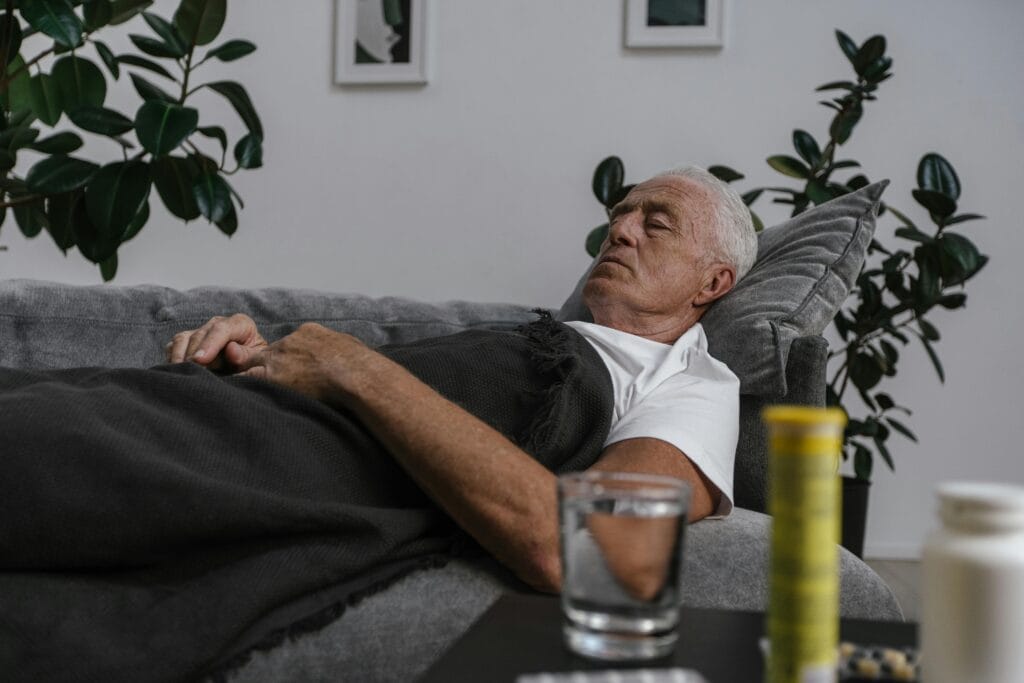
Imagine waking up in the dead of night. The house is silent, the clock reads 2:14 AM, and you feel a strange, nagging discomfort. Perhaps your jaw feels tight, like you’ve been grinding your teeth, or your left shoulder has a dull, heavy ache. Your first instinct is likely to roll over, adjust your pillow, and try to drift back to sleep. You tell yourself you just “slept on it wrong” or that your dinner didn’t sit quite right.
However, for seniors, this specific scenario is what doctors often call a “silent” crossroads. That midnight discomfort in your jaw or shoulder is frequently the only warning sign the body gives before a major cardiac event. While younger people often experience the “Hollywood” heart attack—complete with crushing chest pain—seniors are much more likely to experience “referred pain.”
Ignoring these symptoms to wait for morning can be a catastrophic mistake. In the world of longevity and heart health, the “2 AM Warning” is a signal that your heart is struggling to get enough oxygen. Understanding why this happens and how to tell the difference between a minor ache and a medical emergency is the ultimate key to a long, healthy life.
Why the 2 AM Window is So Critical
There is a biological reason why heart-related emergencies frequently happen in the early morning hours. Your body operates on a circadian rhythm, which is an internal clock that regulates everything from sleep to hormone production. As you approach the 2 AM to 4 AM window, several things happen simultaneously that put extra stress on the cardiovascular system.
First, your blood pressure and heart rate naturally begin to fluctuate as you move through different stages of sleep. Second, the body experience a surge in certain hormones, like cortisol and adrenaline, which can cause blood vessels to constrict. If you have any underlying plaque buildup in your arteries, this natural morning “spike” can lead to a blockage.
Furthermore, blood is “stickier” in the early morning. Platelets are more likely to clump together, increasing the risk of a clot. Consequently, a heart that was doing “just fine” at 8:00 PM might find itself in a crisis by 2:00 AM.
Understanding Referred Pain: Why the Jaw and Shoulder?

One of the most confusing aspects of heart health is that the heart doesn’t have many pain-sensing nerves of its own. When the heart muscle is distressed, it sends signals through the spinal cord. These signals often “cross paths” with nerves that lead to other parts of the body.
Specifically, the nerves that serve the heart also travel along the same pathways as the nerves for your jaw, neck, and left shoulder. The brain essentially gets its wires crossed. It receives a distress signal from the heart but interprets it as pain coming from the jaw or the arm.
For many seniors, this referred pain is the primary symptom. Because it doesn’t feel like “heart pain,” it is easily dismissed as a dental issue, a strained muscle, or even a bit of lingering arthritis.
| Potential Source | Feeling of the Pain | Does it Change with Movement? |
| Muscle Strain | Sharp, stabbing, or tender to the touch. | Yes, it hurts more when you move the joint. |
| Dental Issue | Localized to a specific tooth or gum area. | No, usually stays in the mouth. |
| Cardiac Event | Dull, heavy, “squeezing,” or radiating. | No, the pain persists regardless of how you move. |
| Arthritis | Stiff and achy, usually in the joints. | Improves slightly with gentle movement. |
How to Identify a Cardiac Jaw or Shoulder Ache
Since we all wake up with the occasional ache, how do you know when the “2 AM Warning” is the real deal? There are three specific characteristics of cardiac-related referred pain that you should never ignore.
1. The “Heavy” Quality
Cardiac pain is rarely sharp. Most survivors describe it as a heaviness or a sensation of being squeezed. If your jaw feels like it is being gripped by a vice, or if your shoulder feels like someone is sitting on it, that is a major red flag.
2. The Radiation Factor
Does the pain stay in one spot, or does it seem to “travel”? Cardiac pain often starts in the center of the chest and moves outward, but in seniors, it can start in the jaw and move down to the neck, or start in the shoulder and travel down the arm. If the pain is moving, treat it as an emergency.
3. Accompanying “Silent” Signs
The jaw or shoulder pain rarely happens completely in isolation. If you feel that ache and also notice any of the following, do not go back to sleep:
- A sudden cold sweat: Even if the room is cool.
- Unusual shortness of breath: Feeling winded while lying perfectly still.
- A sense of “Impending Doom”: An unexplained, overwhelming feeling of anxiety or panic.
- Nausea or “Indigestion”: Feeling like you need to burp or throw up to relieve the pressure.
The Danger of the “Wait and See” Approach
The biggest obstacle to senior longevity isn’t the heart attack itself—it’s the delay in seeking treatment. Many people hesitate to call 911 because they don’t want to “cause a scene” or feel embarrassed if it turns out to be nothing but gas.
However, when it comes to the heart, “time is muscle.” Every minute that your heart is deprived of oxygen, more muscle cells die. This damage is permanent and leads to a significantly lower quality of life, often resulting in chronic heart failure.
By the time the sun comes up, you may have missed the window for the most effective treatments, such as clot-busting medications or a simple stent procedure. Calling for help at 2 AM, even if it turns out to be a false alarm, is a much better outcome than waking up at 8 AM with irreversible heart damage.
What to Do When the Warning Strikes
If you wake up with these symptoms, you must act decisively. Your goal is to minimize the workload on your heart while getting professional medical help as fast as possible.
- Call 911 Immediately: Do not try to drive yourself to the hospital, and do not ask a spouse to drive you. Paramedics can perform an EKG in your bedroom and start treatment before the ambulance even leaves your driveway.
- Stay Upright and Calm: Sit in a comfortable chair rather than lying flat. This makes it easier for your lungs to expand and reduces the pressure on your heart.
- Unlock Your Door: If you are alone, unlock the front door so paramedics can enter quickly if you become unable to open it.
Related Articles
- The “Brain Expiration Date”: Why You Reach Your Mental Peak Much Earlier Than You Think
- Neurologist’s Discovery: The $0 ‘Cellular Reset’ That Makes 60-Year-Olds Age Slower Than Everyone Else
- Figs: The Anti-Aging Superfood With 15 Benefits Doctors Say You’re Missing
- The 7-Minute Morning Routine That Makes 55 Look Like 35 (Dermatologists Tried to Keep It Quiet)
- Doctors Stunned: The Hidden Reason Brain Hemorrhages Are Surging in Seniors Over 60