FREE SHIPPING OVER $50

The 12 Everyday Foods Quietly Outpacking Eggs on Protein — and Most People Have No Idea

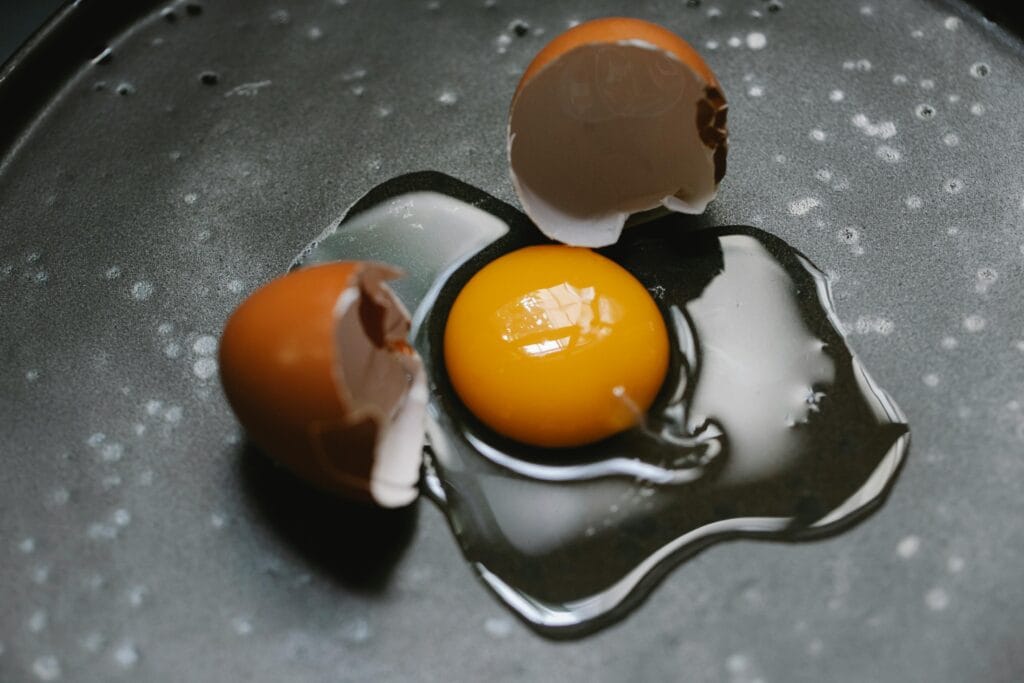
If you have been choking down three hard-boiled eggs every morning just to hit your protein macros, you are working much harder than you actually need to. While the egg has long been crowned the “gold standard” of protein due to its impressive amino acid profile, it only contains about 6 grams of protein, which is surprisingly easy to beat once you look past the dairy aisle. In the quest for muscle density and metabolic health, relying solely on a single source leads to “diet fatigue” and often leaves you short of the high-protein targets required for true body recomposition. By pivoting toward a specific group of high-protein everyday foods, you can actually consume less volume while hitting higher numbers, effectively turning your meals into a more efficient delivery system for the building blocks your muscles crave.
The “Egg Standard” vs. Modern Macro Efficiency
For decades, the fitness community has treated the egg as the ultimate measuring stick for protein quality. It is easy to see why; eggs are affordable, versatile, and boast a biological value that is nearly perfect. However, as our understanding of nutrient density has evolved, we have discovered that many plant-based and lean animal sources offer a much higher protein-to-calorie ratio.
When you are trying to lean out or build mass without adding unnecessary body fat, the “efficiency” of your protein matters more than the reputation of the food. If you can get 15 to 20 grams of protein from a small serving of a “hidden gem” food, you are essentially doubling or tripling the anabolic power of your meal compared to a single egg. This shift in perspective is what separates the casual gym-goer from the high-performance athlete who optimizes every bite for satiety and synthesis.
12 Foods with More Protein Than a Large Egg (6g)
These everyday staples are ranked by their protein density, providing you with better “bang for your buck” when you are building your weekly meal prep.
1. Pumpkin Seeds (Pepitas)
Just a quarter-cup of these crunchy seeds packs nearly 10 grams of protein. Beyond the protein, they are a massive source of magnesium, which helps with muscle relaxation and recovery. They are the perfect “Hyper-Protein” topper for salads or Greek yogurt.
2. Greek Yogurt (Plain)
A standard 6-ounce container of plain Greek yogurt delivers a staggering 15 to 18 grams of protein. This makes it three times as potent as a single egg. Because it is fermented, it also supports the gut-brain axis, ensuring your body can actually absorb the nutrients you are consuming.
3. Cottage Cheese (Low-Fat)
Often overlooked, a half-cup of cottage cheese contains roughly 14 grams of protein. It is rich in Casein, a slow-digesting protein that provides a steady drip of amino acids to your muscles over several hours.
4. Edamame (Steamed Soybeans)
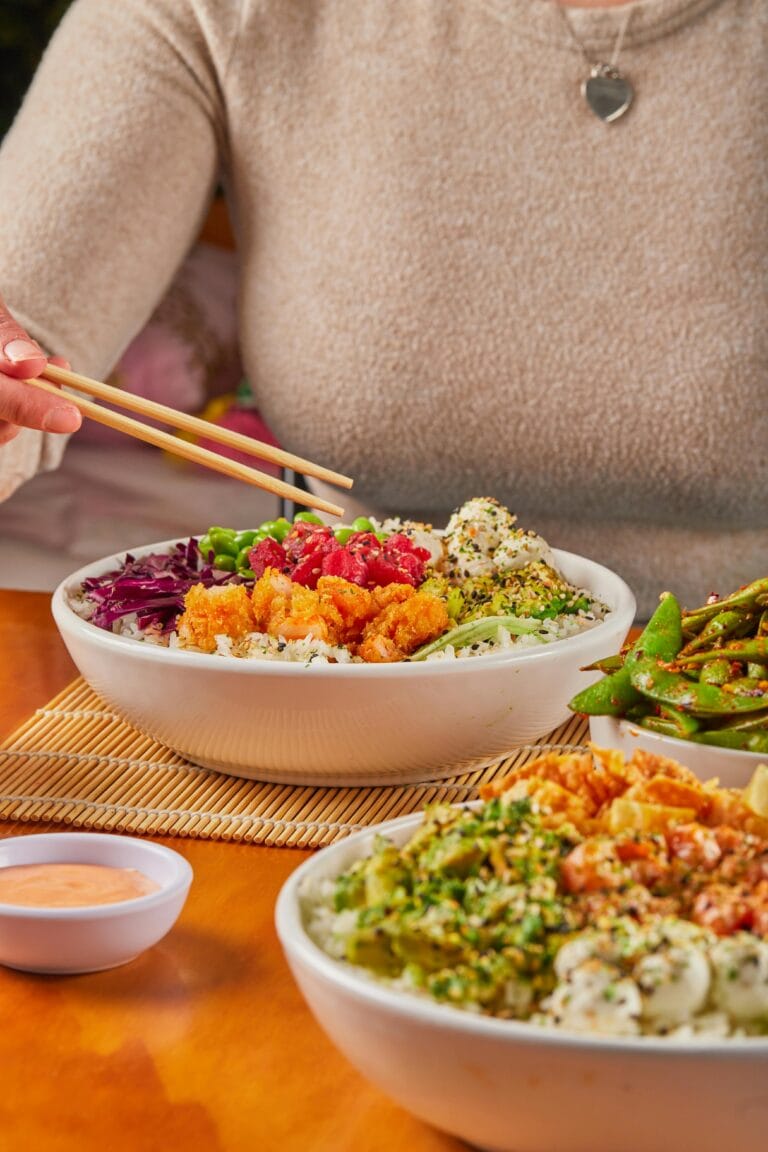
One cup of cooked edamame provides about 18 grams of complete protein. This is a rare plant-based source that contains all nine essential amino acids, making it a direct competitor to animal products in terms of quality.
5. Lentils
A half-cup of cooked lentils offers 9 grams of protein alongside a heavy dose of fiber. This “fiber-protein bridge” is the secret to staying full for hours, which is essential for anyone in a fat-loss phase.
6. Tempeh
Made from fermented soybeans, tempeh is much denser than tofu. A 3-ounce serving packs 15 to 16 grams of protein. Its firm texture makes it an excellent “meat-like” replacement for stir-fries or sandwiches.
7. Chickpeas (Garbanzo Beans)
One cup of cooked chickpeas contains roughly 15 grams of protein. While they are higher in carbs than eggs, their high fiber content prevents insulin spikes, making them a “slow-burn” fuel source.
8. Sprouted Grain Bread (Ezekiel Style)
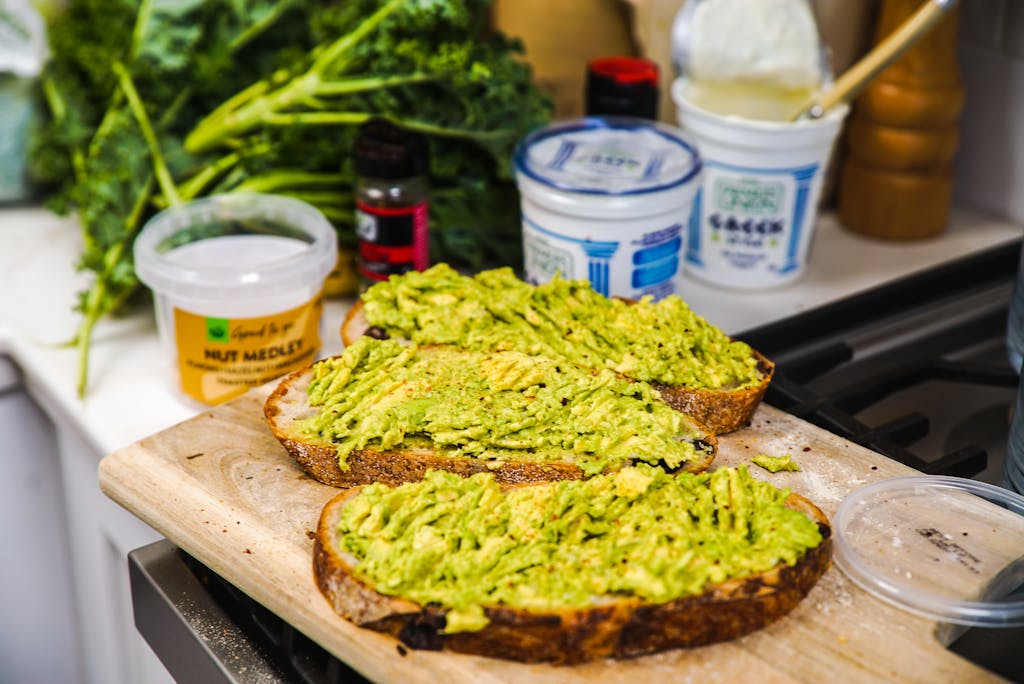
Unlike white bread, which is essentially empty sugar, a single slice of sprouted grain bread can contain up to 5 grams of protein. If you make a sandwich with two slices, you’ve already outpaced an egg before you even add the filling.
9. Quinoa
A cup of cooked quinoa offers 8 grams of protein. It is widely considered a “super-grain” because of its mineral content and the fact that it is a complete protein, unlike rice or wheat.
10. Hemp Hearts
Three tablespoons of hemp hearts provide 10 grams of protein. They are also rich in Omega-3 fatty acids, which reduce the systemic inflammation that can slow down muscle growth.
11. Seitan (Wheat Gluten)
Often called “wheat meat,” seitan is one of the most protein-dense plant foods on the planet. A 3-ounce serving can contain up to 21 grams of protein, nearly four times that of an egg.
12. Almonds
A small handful (about 1/4 cup) of almonds provides roughly 7 to 8 grams of protein. While they are calorie-dense, the protein and healthy fats provide a massive boost in satiety.
Macro Comparison: Protein per Standard Serving
To visualize how these “egg-beaters” stack up, look at the protein density per common serving size.
The Protein Density Leaderboard
| Food Item | Typical Serving Size | Protein Content | Compared to One Egg |
| Large Egg | 1 Egg | 6g | 1x |
| Greek Yogurt | 6 oz | 18g | 3x |
| Seitan | 3 oz | 21g | 3.5x |
| Edamame | 1 Cup | 18g | 3x |
| Cottage Cheese | 0.5 Cup | 14g | 2.3x |
| Pumpkin Seeds | 0.25 Cup | 10g | 1.6x |
The Bioavailability Secret: Why Quality Still Matters
While these foods pack more total protein, we must address the DIAAS score (Digestible Indispensable Amino Acid Score). Eggs are famous because your body can use almost 100% of the protein they provide. Some plant-based sources, like lentils or chickpeas, have slightly lower bioavailability.
To solve this, you should focus on Protein Pairing. When you combine different plant sources—like sprouted bread with hemp hearts—you create a “complete” amino acid profile that your body recognizes and utilizes just as efficiently as an egg. This “synergy” is the key to maintaining muscle mass on a diverse, non-traditional diet.
Satiety vs. Calories: Picking the Right Tool
Choosing the “best” protein source depends entirely on your current goals. If you are in a Cutting Phase, you want the highest protein for the lowest calories. In this scenario, Greek yogurt and seitan are your best friends.
If you are in a Bulking Phase, you want nutrient density and calories. This is where pumpkin seeds and hemp hearts shine, as they provide high protein alongside the healthy fats needed for hormonal health. Transitioning between these foods based on your specific training cycle allows you to maintain your physique without the “metabolic adaptation” that often happens when you eat the same foods every day.
Incorporating High-Protein Foods into a US Lifestyle
You don’t need to spend hours in the kitchen to utilize these foods. The beauty of this list is that most of these items are “grab-and-go” or require minimal assembly.
- The “Yogurt Power Bowl”: Swap your morning eggs for 1 cup of Greek yogurt topped with 2 tablespoons of hemp hearts. You’ve just consumed 28 grams of protein—the equivalent of almost 5 eggs.
- The “Crunchy Salad”: Add a quarter-cup of pumpkin seeds and a half-cup of chickpeas to your lunch. That’s 20 grams of protein added to a meal that usually has almost none.
- The “Seitan Stir-Fry”: Use seitan instead of chicken once a week. You’ll get a massive hit of protein with almost zero fat, perfect for a post-workout recovery meal.
By diversifying your protein intake, you also reduce your exposure to dietary sensitivities. Many people develop a mild intolerance to eggs when they eat them every day. Rotating through these 12 alternatives keeps your digestion sharp and your palate interested.
Related Articles
- I Spent 10 Years Eating Randomly — 7 Meal Planning Secrets Finally Gave Me My Life Back
- 7 Natural Sweeteners That Protect Your Metabolism — Ditch Sugar Without Sacrificing Taste
- The “Bloat-Free” Rule: Why Japanese Women Ditch Probiotics for This 0-Cent Habit
- Why Authentic Pasta Doesn’t Wreck Your Blood Sugar (Unlike the Carbs Most Americans Eat)
- Don’t Toss Those Eggs Yet — 5 Quick Tests to Know If They’re Fresh