FREE SHIPPING OVER $50

Stop Wasting Reps: A Personal Trainer’s 10 Underrated Exercises for Faster Muscle Growth

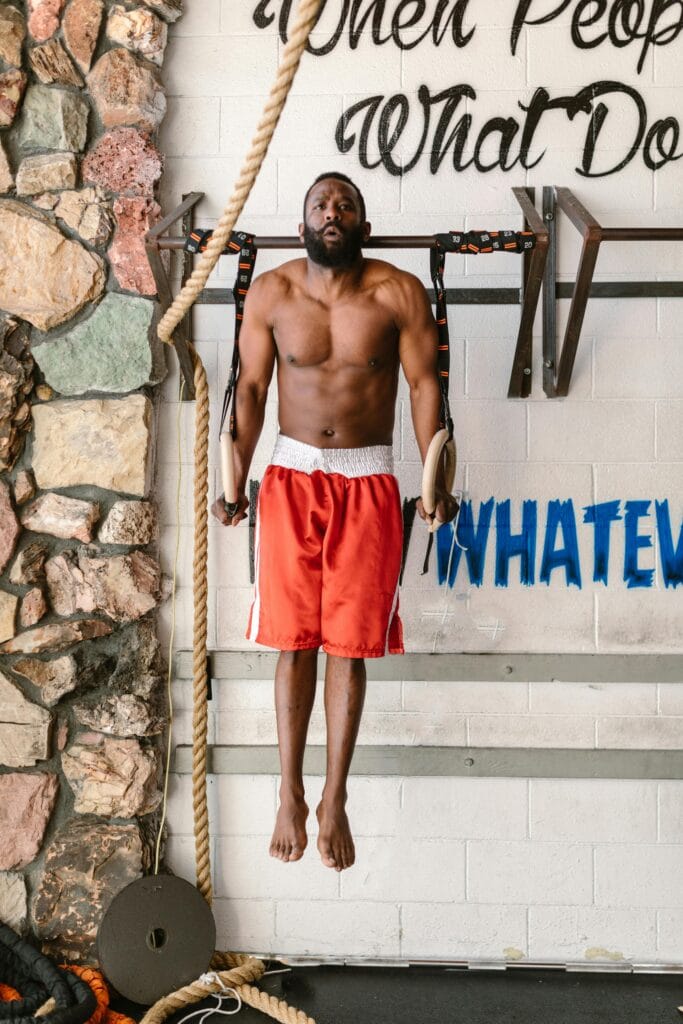
Most people walk into the gym and head straight for the same four machines or the bench press rack. While the “big lifts” are undeniably effective, the human body is a master of adaptation. If you have been doing the same chest-supported row and barbell curl for six months, your nervous system has likely found the path of least resistance. You aren’t actually getting weaker, but you aren’t growing anymore because your muscles have “figured out” the movement. To spark new hypertrophy, you need to introduce fresh angles, different tension curves, and movements that challenge your stability in ways the standard “bro-split” never will.
The following exercises aren’t just “different” for the sake of being “different.” Each of these moves is a personal trainer’s secret weapon for targeting stubborn muscle groups that standard exercises often miss. By shifting the load slightly or changing the plane of motion, you can recruit more motor units and force a growth response in “quiet” muscle fibers. If you feel like you’ve been spinning your wheels and wasting reps, it is time to swap out the stale staples for these 10 underrated powerhouses.
The Science of “Exercise Variation” for Hypertrophy
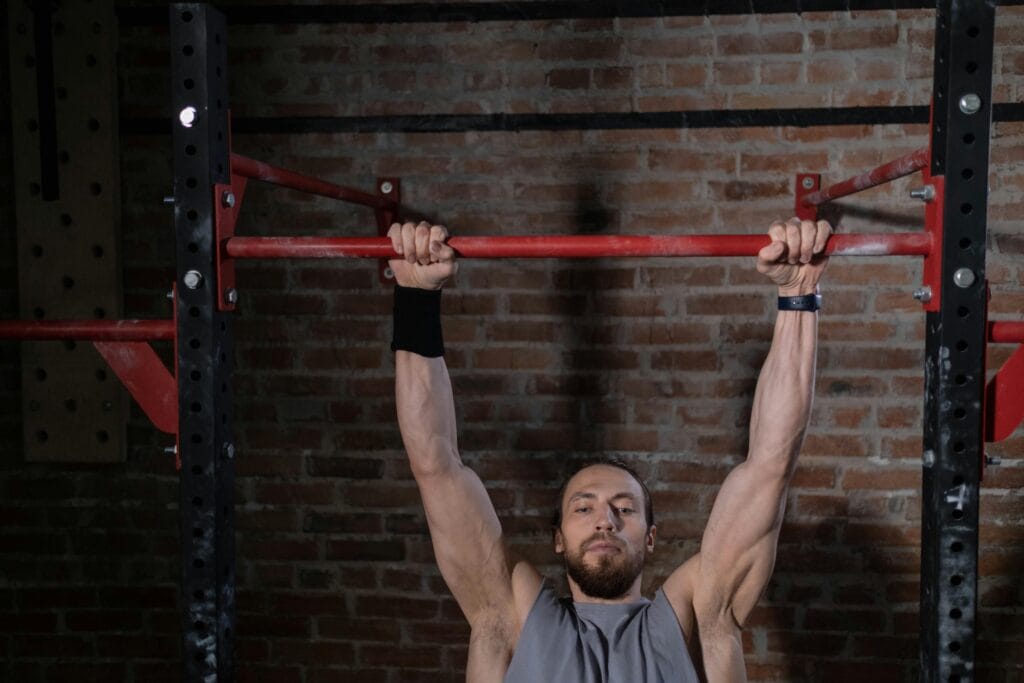
Hypertrophy, or muscle growth, occurs when we subject our muscle fibers to mechanical tension, metabolic stress, and muscle damage. While the basic compound lifts provide plenty of tension, they don’t always hit every part of a muscle group equally. For example, the quadriceps consist of four distinct muscles. A standard back squat might favor the vastus lateralis (the outer sweep). Still, it can sometimes neglect the rectus femoris (the middle portion) depending on your limb length and hip mobility.
By using underrated variations, you “fill in the gaps.” This prevents “asymmetric weakness,” where one muscle group takes over the work for another, leading to plateaus and eventual injury. Incorporating these moves ensures that you are building a “complete” physique rather than just getting good at a few specific gym movements.
Standard vs. Underrated Exercise Variations
| Target Muscle | Standard Lift | Underrated Alternative | Why It Works Better |
| Upper Chest | Incline Bench | Reverse Grip Bench | Higher clavicular fiber activation |
| Hamstrings | Leg Curls | Glute-Ham Raise | Trains hamstrings as both knee flexors and hip extensors |
| Triceps | Pushdowns | JM Press | Combines a press and an extension for maximum load |
| Middle Delts | Lateral Raise | Lu Raises | Greater range of motion and trap involvement |
| Lower Abs | Leg Raises | Reverse Crunches | Focuses on posterior pelvic tilt without hip flexor takeover |
10 Underrated Exercises for Faster Muscle Growth
1. The JM Press (The Tricep Architect)
Named after bench press legend JM Blakely, this move is a hybrid between a close-grip bench press and a skull crusher. Most people struggle with tricep growth because they either use too little weight on extensions or too much “chest” on presses. The JM Press allows you to use heavy weights while keeping the tension squarely on the lateral and long heads of the triceps.
To perform it, lower a barbell toward your upper chest or neck while tucking your elbows in. Stop just before the bar touches you, keeping your forearms angled toward your face, then press back up. It creates a massive “stretch-mediated” hypertrophy response that standard pushdowns simply cannot match.
2. Bulgarian Split Squats (The Leg Day Equalizer)
While everyone loves to hate this exercise, it is the single most effective move for building “thick” legs and fixing imbalances. By placing one foot behind you on a bench, you force the front leg to handle nearly 90% of the load. This prevents your “strong” side from bailing out your “weak” side, which often happens during traditional squats.
Furthermore, the deep stretch at the bottom of the rep targets the glute-medius and the often-neglected vastus medialis. If you want legs that look powerful from every angle, the split squat is non-negotiable.
3. Face Pulls with External Rotation
Most lifters do face pulls for “shoulder health,” but they miss the “growth” aspect by using poor form. When you add a deliberate external rotation at the end—flipping your thumbs back toward the wall—you light up the rear delts, rhomboids, and lower traps. This creates that “3D” look in the upper back and shoulders that makes your waist look smaller by comparison.
4. The Meadows Row
Created by the late bodybuilding coach John Meadows, this row variation involves standing perpendicular to a landmine (or a barbell wedged in a corner) and pulling with one arm. Because of the unique arc of the bar, it stretches the lower lats in a way a dumbbell row can’t. It is the secret to building a “wide” back because it targets the fibers that connect the lat to the humerus.
5. Zottman Curls
If your arms have stopped growing, it’s likely because you’ve neglected the brachialis—the muscle that sits underneath the bicep and “pushes” it up. Zottman curls involve a standard bicep curl on the way up, but at the top, you rotate your palms to face downward for the slow, eccentric lowering phase. This hammer-grip descent torches the forearms and the brachialis, making your arms look thicker even when you aren’t flexing.
6. Deficit Deadlifts
If you find that your deadlift “stalls” right off the floor, you need to increase your range of motion. Standing on a 2-inch platform (or a 45lb plate) forces you to get lower, increasing the demand on your hamstrings and glutes. This extra “pulling distance” builds incredible “starting strength” and explosive power that translates to a massive PR on your standard deadlift.
7. Landmine Presses
For those with shoulder pain, traditional overhead pressing can be a nightmare. The Landmine Press allows for a “diagonal” pressing motion that is much friendlier to the acromion process. More importantly, it requires intense core stability to prevent the bar from swaying. It builds the upper chest and front delts while keeping your joints safe.
8. Cuban Presses
This is the ultimate “weak point” fixer. It combines an upright row, an external rotation, and an overhead press. While you can’t use heavy weight here, it is phenomenal for building the small muscles of the rotator cuff and the tops of the shoulders. It creates that “capped” shoulder look that is highly coveted in bodybuilding.
9. Goblet Squats with a Heel Lift
By placing your heels on a small wedge or 5lb plates, you change the mechanics of the squat to favor the quads. The “Goblet” position (holding a weight at your chest) acts as a counterbalance, allowing you to stay perfectly upright. This deep, upright squat puts a massive stretch on the quads, which is the primary driver for leg growth in those with long femurs.
10. Pendlay Rows
Unlike a standard bent-over row where you stay hinged, a Pendlay row starts and ends with the bar on the floor for every rep. This “dead stop” removes all momentum. You have to generate maximum force from a stationary position, which builds incredible “thickness” in the mid-back and traps. It also teaches you how to brace your core under load, which carries over to every other heavy lift in your program.
How to Program These Into Your Routine
You don’t need to scrap your entire program to see results. The best way to use these “underrated” moves is to substitute one “standard” lift per session with its more effective counterpart.
- Replace Crunches with Reverse Crunches: Target the lower abs and fix pelvic tilt.
- Replace Barbell Curls with Zottman Curls: Build arm thickness and grip strength.
- Replace Leg Extensions with Heel-Elevated Goblet Squats: Protect the knees while hammering the quads.
Keep your sets and reps in the 8 to 12 range for most of these moves. This “hypertrophy sweet spot” allows for enough weight to create tension while maintaining enough volume to trigger metabolic stress.
Related Articles
- 8 Early Warning Signs You’re Overtraining — Fix Them Before Your Performance Crashes
- Muscle Loss Isn’t Inevitable: The 9 “Non-Negotiable” Exercises for Longevity After 50
- The V-Taper Illusion: 6 Moves That Sculpt a Narrow Waist and Broad Shoulders Fast
- Flabby Arms?: The 4 “Anti-Gravity” Moves That Tighten Bat Wings Faster After 45
- 92% of New Year Workouts Fail by February: The ‘Identity Shift’ Secret to Beating the Odds