FREE SHIPPING OVER $50

Stop the Treadmill: The ‘Slow’ Move That Delays Brain Aging by 5 Years (Better Than Cardio)

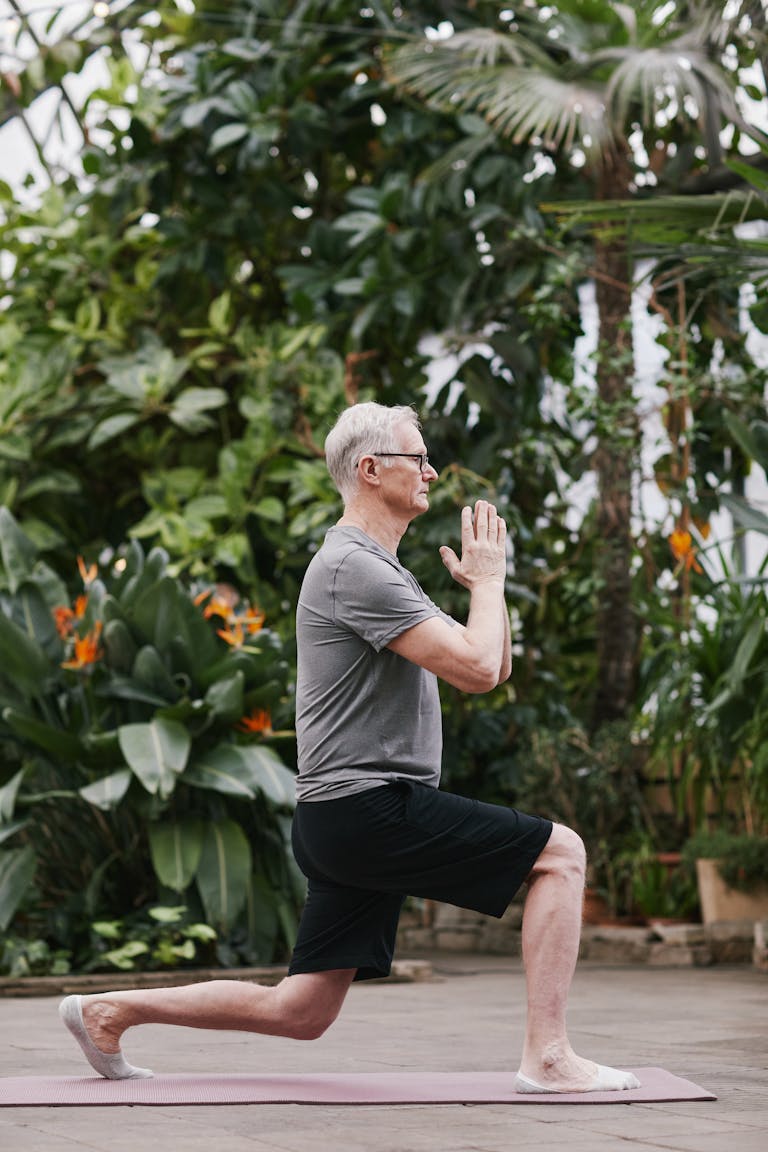
For decades, we have been told that the only way to save our brains from the fog of aging is to get our heart rates into the red zone. The standard advice usually involves grueling sessions on a treadmill, long-distance cycling, or swimming laps until our shoulders ache. We have been led to believe that if we aren’t gasping for air, we aren’t doing enough to stimulate our neurons. However, a groundbreaking new body of research is turning that high-intensity narrative on its head. It turns out that the secret to a resilient, youthful brain isn’t found in how fast you can move, but in how intentionally you can slow down.
Researchers have discovered that one specific “slow” move—a practice often dismissed as “too easy” by gym rats—is actually a powerhouse for neuroplasticity. This exercise doesn’t just improve your mood; it has been shown to protect brain health and delay cognitive aging by up to five years. While cardio is great for your heart, it often becomes a “mindless” activity where your brain essentially checks out. This surprisingly slow movement, however, requires a level of “neural focus” that forces your brain to rewire itself in real-time.
The Cognitive Crisis of “Mindless” Cardio
Think about the last time you were on a treadmill or an elliptical. Once you found your rhythm, what was your brain doing? Chances are, you were watching the news on a mounted TV, listening to a podcast, or simply zoning out. While your heart and lungs were getting a great workout, your brain was effectively on autopilot. This is what neurologists call “low cognitive load” exercise. Because the movement is repetitive and predictable, the brain doesn’t need to forge new neural pathways to get the job done.
In contrast, the “slow” movement we are discussing requires constant, deliberate focus on proprioception—your body’s ability to sense its position in space. New studies, including those recently highlighted in the Journal of Alzheimer’s Disease, suggest that when we combine physical movement with intense mental focus, we create a “synergistic effect” on the brain. This is why the 5-year delay in brain aging is specifically linked to these slower, more complex movements rather than simple, high-intensity cardio.
Why Tai Chi is the Ultimate ‘Brain Shield’
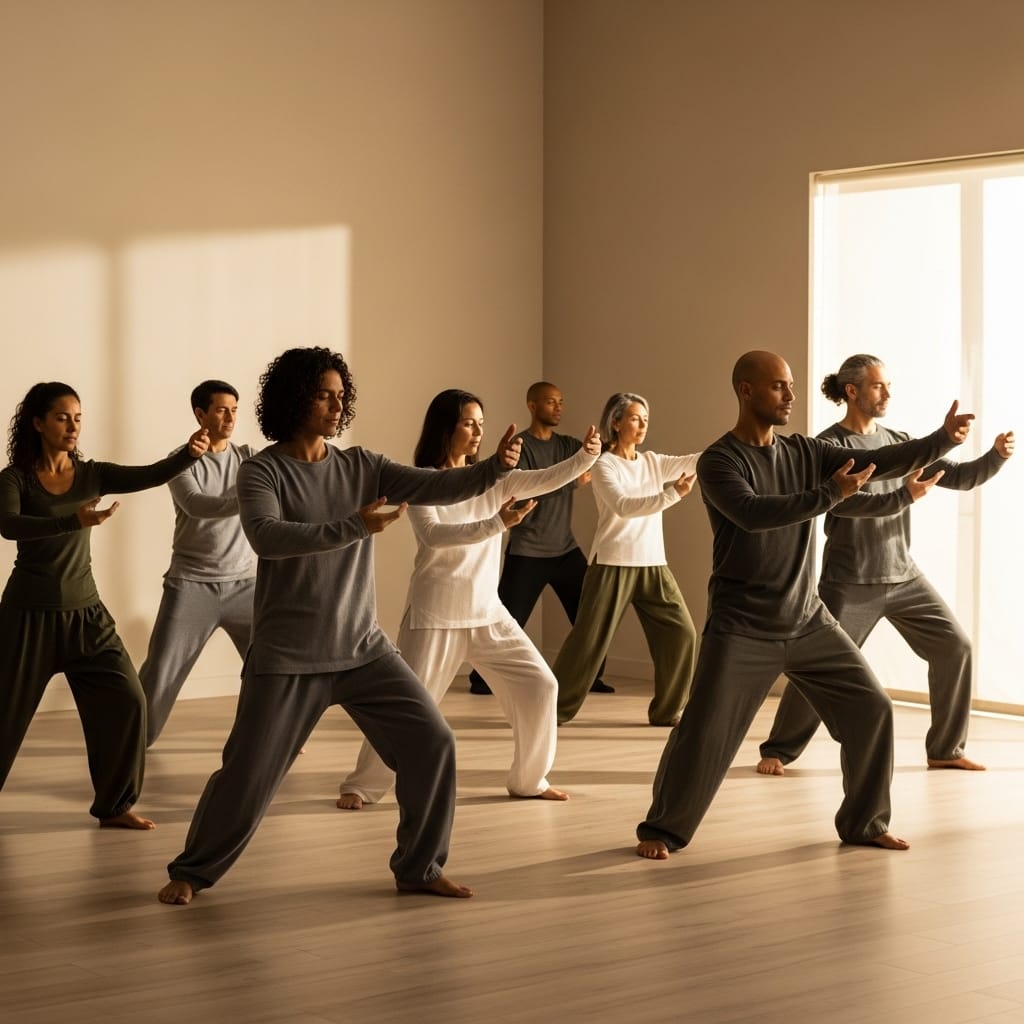
Tai Chi is often called “meditation in motion,” but from a neurological perspective, it is more like a high-level coordination test. When you perform these slow, deliberate movements, you are engaging in “dual-tasking.” Your brain has to manage balance, coordinate your limbs in a non-repetitive way, and maintain a deep, rhythmic breathing pattern all at once. This forces the hippocampus—the part of the brain responsible for memory and learning—to work overtime.
Research comparing seniors who practiced Tai Chi to those who performed traditional aerobic exercise found a startling difference. The Tai Chi group showed significantly greater increases in brain volume and higher scores on executive function tests. In fact, some participants showed a biological “brain age” that was five years younger than their chronological age after just six months of consistent practice. This isn’t just about avoiding decline; it is about actively building a thicker, more connected brain.
The Secret Sauce: BDNF and Neural Density
So, what exactly is happening inside your skull when you slow down your movement? The answer lies in a protein called Brain-Derived Neurotrophic Factor, or BDNF. Think of BDNF as “Miracle-Gro” for your brain. It supports the survival of existing neurons and encourages the growth of new ones. While all exercise raises BDNF levels to some degree, the combination of balance and complex movement sequences seems to be the “sweet spot” for its production.
Transitioning from simple movements to complex ones triggers the cerebellum and the prefrontal cortex to communicate more efficiently. This “cross-talk” between different regions of the brain is what prevents the white matter from thinning—a process that is usually a hallmark of aging. By choosing a “slow” move that challenges your balance, you are essentially telling your brain that it needs to stay sharp to keep you upright and moving gracefully.
Beyond the Hippocampus: The Stress Connection
Another reason this slow move beats the treadmill for brain health is its impact on cortisol. High-intensity cardio is a form of stress. While it is a “good” stress for a healthy body, it can still lead to spikes in cortisol, the body’s primary stress hormone. Chronic high cortisol is notoriously toxic to the brain, specifically the hippocampus. If you are already stressed from work or life, adding a high-stress workout can sometimes do more harm than good for your mental clarity.
The slow, “bulletproof” moves of Tai Chi or advanced balance training lower the sympathetic nervous system’s “fight or flight” response. By staying in a parasympathetic state while moving, you allow your brain to focus on repair and growth rather than defense. This reduction in systemic inflammation is a major reason why practitioners see a 5-year delay in cognitive decline. You are giving your brain the “quiet” it needs to perform its most essential maintenance.
How to Implement the ‘Slow Move’ Without a Class
You don’t necessarily need to join a specialized school to start benefiting from this “neural reset.” The principle is simple: challenge your balance in a slow, controlled way for 10 to 15 minutes a day. Here are a few ways to get started:
- The Slow-Motion Walk: Try walking across a room as slowly as humanly possible. Each step should take at least 10 seconds. Focus on the transition of weight from your heel to your toe and the subtle shifts in your core.
- Single-Leg Stance with a Twist: Stand on one leg. Once you are stable, slowly move your arms in a circular motion or turn your head from side to side. This forces your brain to recalibrate your balance constantly.
- The “Invisible Chair” Transition: Slowly lower yourself into a squat as if sitting in a chair, taking 20 seconds to reach the bottom and another 20 seconds to stand back up. The lack of momentum forces the brain to engage every stabilizer muscle in the body.
Cardio vs. Slow Movement for Longevity
It is important to note that we aren’t saying cardio is “bad.” It is excellent for heart health and calorie burning. However, if your primary goal is longevity and brain health, the hierarchy of exercise needs to shift.
- Treadmill/Cycling: Increases blood flow to the brain and improves cardiovascular health. Low cognitive demand.
- Tai Chi/Slow Moves: Increases blood flow, improves cardiovascular health, and builds new neural pathways. High cognitive demand.
If you only have 20 minutes a day to dedicate to your future self, the science suggests that the “slow” move provides a much higher return on investment for your mind. You are essentially getting a two-for-one deal: a physical workout and a cognitive “brain-training” session in a single block of time.
Final Thoughts
The evidence is clear: the path to a younger brain isn’t necessarily paved with sweat and high-speed sprints. This 5-year “Brain Shield” is available to anyone, regardless of their current fitness level or age. It doesn’t require expensive equipment, a gym membership, or a high-impact routine that wrecks your joints. All it requires is a few minutes of your day and a willingness to move with intention. Start small, move slowly, and focus on the connection between your mind and your body. Your future self will thank you for the five extra years of clarity, memory, and cognitive power you have banked today.
Related Articles
- The Truth About Vibration Plates: Do They Really Burn Fat and Build Muscle?
- Stop Wasting Hours: Scientists Say This 20-Minute Window Is the ONLY Time You Need to Build Muscle
- 5 Chair Exercises That Flatten Belly Fat Faster Than Crunches (Perfect for Women Over 50)
- 7 Glute Moves That Sculpt, Lift, and Strengthen—No Squats Required
- This 3-Second Posture Test Revealed the Back Problem I Didn’t Know I Had