FREE SHIPPING OVER $50

Stop the Clock: Doctors Say This ONE Diabetes Mistake Ages Your Body 10 Years Faster

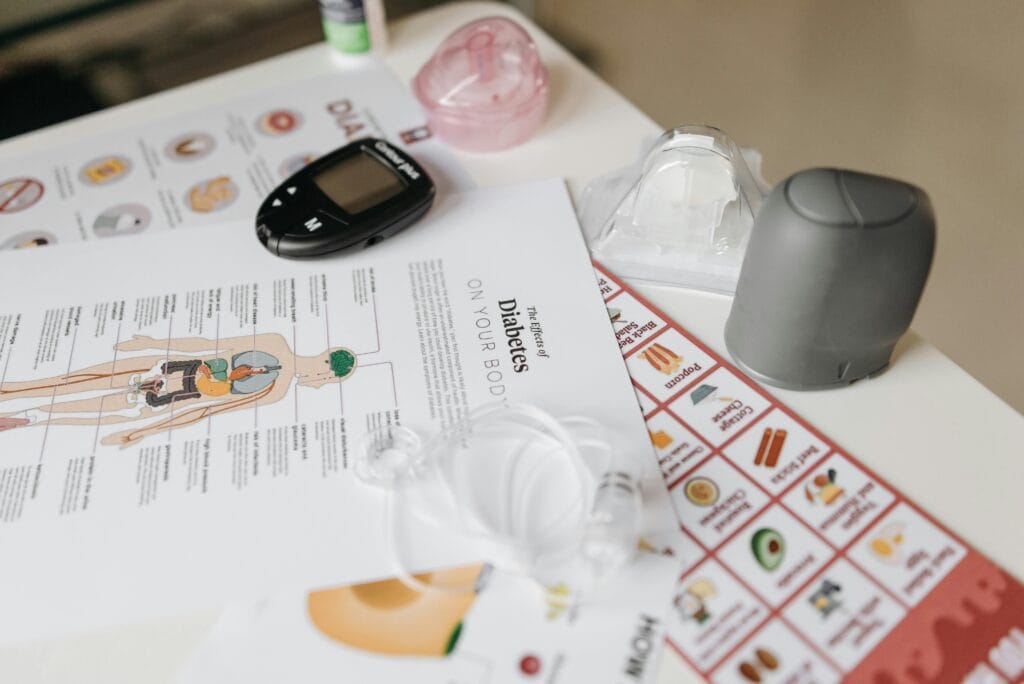
The conversation around diabetes often focuses on immediate management: controlling blood sugar, monitoring A1C, and managing medication. Yet, doctors and longevity researchers are uncovering a far more insidious and long-term danger: the condition’s ability to accelerate the body’s aging process. Living with unmanaged or poorly managed diabetes can essentially put your entire system on a biological fast-forward, causing your body to age up to 10 years faster than your chronological age.
This accelerated aging isn’t inevitable, however. The culprit often comes down to one single, persistent diabetes mistake that millions of people make every day. By identifying and correcting this mistake, you gain the power to stop the clock, protect your vital organs, and reclaim years of longevity and quality of health. We must look beyond the simple sugar count and understand the molecular mechanism that turns excess glucose into a damaging anti-aging force throughout your body.
The Diabetes Mistake: Ignoring Post-Meal Blood Sugar Spikes
The single biggest diabetes mistake that drives accelerated aging is neglecting to control the spikes in blood sugar that occur immediately after meals. Many people focus heavily on their fasting glucose or A1C levels, but the most dangerous damage occurs in the hours following breakfast, lunch, and dinner.
The Problem: Chronic Postprandial Hyperglycemia
This scientific term refers to the consistently high blood sugar levels experienced one to two hours after eating. These spikes, even if they eventually come back down, are incredibly toxic to your cells.
- The Trap: If you rely on A1C (which measures average blood sugar over three months), you might think your glucose is under control. But A1C can mask frequent, severe spikes that damage tissue daily. Doctors now recognize that managing these spikes is the key to slowing down aging in people with diabetes.
The Mechanism: How High Sugar Spikes Steal Your Longevity
When excess glucose floods your bloodstream, it kicks off a disastrous molecular chain reaction known as glycation. This process is the core reason diabetes accelerates aging by 10 years.
1. Advanced Glycation End Products (AGEs)
Glycation occurs when sugar molecules bind to proteins or fats in your body without the aid of enzymes. This binding forms toxic compounds called Advanced Glycation End Products (AGEs).
- The Damage to Collagen: Collagen is the most abundant protein in your body, providing structure to your skin, blood vessels, and joints. AGEs attach to collagen fibers, making them stiff, brittle, and yellowed. This directly causes wrinkles, loss of skin elasticity, and arterial hardening—the classic signs of premature aging.
- The Arterial Hardening: When AGEs stiffen the collagen in your arteries, they reduce the elasticity of the blood vessels. This contributes to high blood pressure and atherosclerosis (plaque buildup), significantly accelerating heart aging and increasing the risk of cardiovascular disease.
2. Oxidative Stress and Inflammation
The formation of AGEs is not a passive process; it generates massive amounts of oxidative stress and triggers systemic inflammation.
- The Damage to Cells: This chronic inflammation is like a slow-burning fire that degrades cellular function throughout the body, attacking the brain, kidneys, and eyes—the common complications associated with diabetes and premature aging. This constant cellular stress effectively reduces your true longevity.
The Anti-Aging Plan: Fixing the Post-Meal Spike
To stop the clock and mitigate the AGEs damage, doctors recommend a targeted strategy focused on what you eat and when you move.
1. The Fiber-First Rule
The most effective way to prevent a rapid blood sugar spike is by slowing down the absorption of glucose from your meals. Dietary fiber is your best tool for this.
- Action: Start your meal with a serving of vegetables or salad, ensuring you consume the fiber first. The fiber creates a physical barrier in the gut, slowing the release of all the sugar and starch that follows.
- The Benefit: This simple change can flatten the post-meal glucose spike by 20% to 30% compared to eating carbohydrates first.
2. Protein and Healthy Fats as the Buffer
Never eat a meal consisting only of carbohydrates (like a slice of toast or a bowl of rice).
- Action: Always pair carbohydrates with protein and healthy fats. Protein and fat require longer digestion times, which stabilizes blood sugar release.
- The Benefit: A plate structured with protein (chicken, fish, tofu), healthy fat (avocado, olive oil), and fiber (vegetables) before a complex carbohydrate (quinoa, sweet potato) ensures that glucose enters the bloodstream smoothly, avoiding the damaging surge that creates AGEs.
3. The 10-Minute Post-Meal Walk
Exercise is incredibly powerful for clearing glucose from the bloodstream, especially immediately after eating.
- Action: Take a brisk 10-minute walk immediately after your largest meal of the day. You don’t need a heavy workout—just movement.
- The Mechanism: When you walk, your muscle cells become much more sensitive to insulin and start pulling glucose out of the blood to use as fuel, actively lowering the spike before it can form AGEs and damage your arteries.
Protecting the Brain and Heart
Addressing the post-meal mistake is the foundational step in your anti-aging longevity plan, but other factors are essential for holistic health in people with diabetes.
Shielding Your Brain from Accelerated Aging
The brain is particularly vulnerable to the accelerated aging effects of high blood sugar. Chronic spikes contribute to vascular damage and inflammation that impair cognitive function.
- The Strategy: Prioritize Omega-3 fatty acids (EPA and DHA) from fatty fish (salmon, sardines) or supplements. Omega-3s are powerful anti-inflammatory agents that protect the brain’s structure and function against diabetic damage, supporting long-term cognitive longevity.
Protecting Your Heart with Targeted Foods
Since cardiovascular disease is the number one threat to longevity in diabetics, you must actively protect your heart.
- The Strategy: Increase your intake of polyphenol-rich foods, such as berries, cocoa, and green tea. Polyphenols help maintain the elasticity of the blood vessel walls (endothelium) and improve nitric oxide production, effectively fighting the arterial stiffness caused by AGEs.
Conclusion
The truth is that consistent, unmanaged blood sugar spikes after meals are one of the diabetes mistakes that dramatically accelerates aging, potentially by 10 years or more, by forming toxic Advanced Glycation End Products (AGEs). This process damages your collagen, stiffens your arteries, and fuels systemic inflammation. However, you have the power to stop the clock. By adopting the Fiber-First Rule, strategically pairing protein and fats with carbohydrates, and committing to a 10-minute walk after eating, you can effectively flatten those harmful spikes, neutralize AGEs, and reclaim your longevity and youthful vitality.
Related Articles
- Want to Look and Feel 17 Years Younger? These 15 Anti-Aging Hacks Are Backed by Science
- Over 50 and Not Seeing Muscle Gains? Here’s the #1 Mistake—and How to Fix It Fast
- Why More Young, Fit Men Are Having Heart Attacks—And What You Can Do to Avoid It
- The Anti-Aging Habit Hidden in a Remote Village—Doctors Say It Rewinds Your Biological Clock
- Doctors Say Slow Walkers Age Faster—Follow These Exercises to Add Years to Your Life