FREE SHIPPING OVER $50

Stop Killing Your Testosterone With These 5 Workout Mistakes

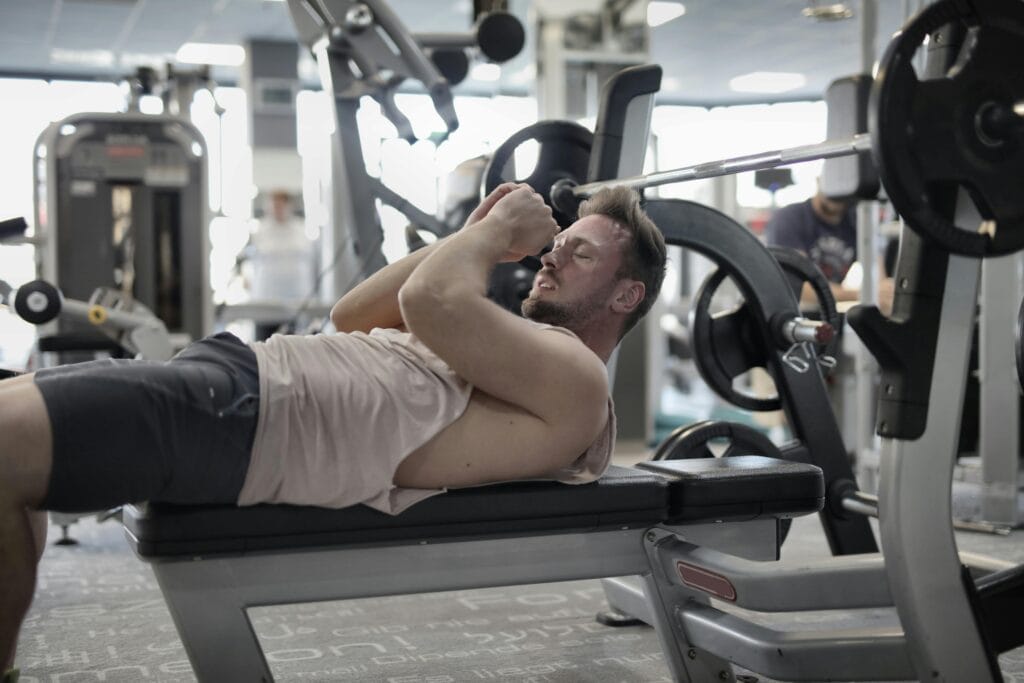
If you are hitting the gym regularly, you probably assume you are doing everything right for your health. You show up, you sweat, and you push your limits. But for many men, there is a hidden frustration: despite the hard work, the results aren’t showing up. Maybe your energy is dragging, your muscle growth has stalled, or you are carrying a bit of extra weight around the middle that just won’t budge.
The problem might not be your effort, but your hormones. Testosterone is the “holy grail” of male fitness. It drives muscle protein synthesis, bone density, and your overall sense of drive. Unfortunately, certain training habits—many of which are praised in “hardcore” fitness circles—can actually send your testosterone levels into a nosedive.
The Seesaw: Testosterone vs. Cortisol
To optimize your body, you must balance the relationship between testosterone and cortisol. Think of them as a seesaw. Cortisol helps mobilize energy for a tough set, while testosterone repairs and grows tissue afterward.
However, pushing too hard for too long gets the seesaw stuck. High cortisol directly inhibits the Leydig cells in the testes from producing testosterone. If your body feels under a constant physical “attack” from your routine, it stops investing in muscle and reproductive health to focus on basic survival.
5 Workout Mistakes Killing Your Testosterone
1. Training for Too Long
The myth that more time equals more results is a hormonal trap. While short, intense bouts of exercise boost testosterone, the chemistry shifts once you cross the 60-to-75-minute mark.
At this point, blood glucose drops and cortisol spikes to break down tissue for energy. If you spend two hours in the gym daily, you aren’t outworking the competition—you are overtraining your way to low T.
The Fix: Keep your workouts under 60 minutes. Focus on high-quality movements and get out. Your body needs a clear endpoint to trigger the repair process.
2. Relying Too Heavily on Chronic Cardio
Excessive “steady-state” cardio is a documented testosterone killer. Research shows that endurance athletes often have significantly lower T-levels than weightlifters.
Chronic cardio signals to your body that it needs to be “light and efficient” rather than “strong and powerful.” This leads to muscle shedding and a reduced hormonal drive to maintain mass.
| Training Type | Effect on Testosterone | Recommended Frequency |
| Heavy Strength Training | High Boost | 3-4 times per week |
| HIIT / Sprints | Moderate Boost | 1-2 times per week |
| Walking / Light Activity | Neutral / Recovery | Daily |
| Steady-State Cardio | Potential Decrease | Limit to 1-2 sessions |
The Fix: Prioritize resistance training. For cardiovascular health, swap hour-long jogs for 15 minutes of hill sprints or HIIT, which trigger a positive hormonal response.
3. Skipping the “Big” Compound Lifts
Isolation exercises like bicep curls or shoulder raises help with “the pump,” but they don’t recruit enough muscle fibers to force a systemic hormonal change.
The best way to naturally spike testosterone is through compound movements involving the body’s largest muscle groups—the legs, back, and chest. Squats, deadlifts, and overhead presses require significant effort, signaling the brain to flood the system with testosterone and growth hormone.
The Fix: Make compound lifts the “anchor” of your workout. Devote the first half of your session to one or two big moves while your energy and hormonal potential are highest.
4. Resting Too Little Between Sets
Many men use 30-second rest periods to “burn fat,” but this turns weightlifting into a cardio session. To stimulate T-production, you must lift heavy loads (75% to 85% of your one-rep max).
Short rest periods prevent your central nervous system (CNS) from recovering. If you can’t move heavy weights because you are gasping for air, you lose the primary stimulus for testosterone production.
The Fix: Rest for 2 to 3 minutes during heavy compound lifts. This allows ATP stores to replenish, ensuring you can lift the maximum weight possible for every set.
5. Training in a Constant Caloric Deficit
Testosterone production is an “expensive” biological process that requires energy and dietary fat. If you stay in a caloric deficit for months to “get shredded,” your body enters starvation mode.
When energy is scarce, the body shuts down the reproductive system to save calories. Low-fat diets are particularly damaging because cholesterol is the literal building block of the testosterone molecule.
The Fix: Avoid “perma-dieting.” If you are training hard, eat at your maintenance calories and include healthy fats like whole eggs, avocados, and grass-fed beef.
The Importance of the “Deload” Week
Consistency is usually a virtue, but in the world of hormonal health, “going hard” every single week eventually leads to disaster. Your central nervous system and your endocrine system take longer to recover than your muscles do. After 4 to 6 weeks of intense training, your cortisol levels begin to stay elevated even on your rest days.
This is where the “deload” comes in. A deload is a scheduled week where you still go to the gym, but you reduce your weights and volume by about 50%. This gives your hormones a chance to reset. Think of it as a “software update” for your body. Most men find that they return from a deload week stronger and more energetic because their testosterone has finally had the chance to rebound.
Related Articles
- Stop “Grinding”: The 10% Workout Tweak for a Leaner Physique Without More Cardio
- She Was Exhausted, Stuck on the Couch—90 Days Later This Mom Looked Unrecognizable
- Biological Age of 45 at 82? The Muscle Secret That Keeps Him Defying Frailty (It’s Not What You Think)
- Too Tired to Exercise? These 3 Chair Yoga Poses Restore Strength & Calm (Perfect for Seniors)
- He’s 63, Ripped, and Defying Aging. What He Told Me About Muscles Blew My Mind—You Need to Hear This