FREE SHIPPING OVER $50

Stop “Grinding”: The 10% Workout Tweak for a Leaner Physique Without More Cardio

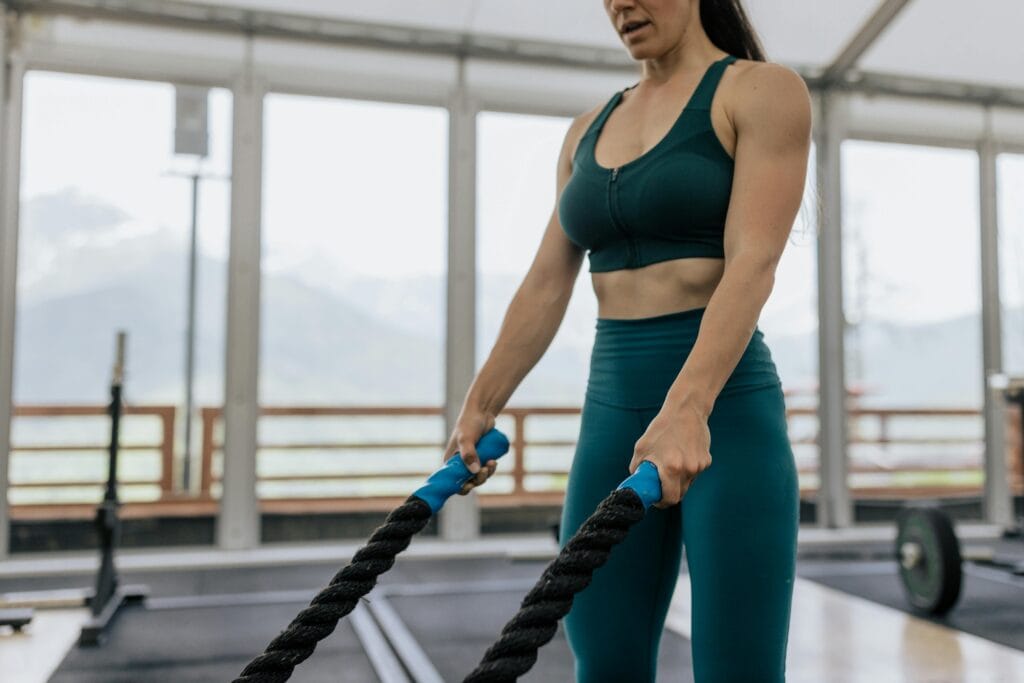
We have been conditioned to believe that a lean physique is the result of pure, unadulterated suffering. The fitness industry often pushes a “more is better” narrative: more miles on the treadmill, more hours in the gym, and more sweat on the floor. This “grinding” mentality suggests that if you aren’t seeing your abs yet, you simply aren’t working hard enough. However, for most people over thirty, this high-volume approach eventually hits a wall of diminishing returns. Instead of getting leaner, you end up with nagging joint pain, elevated cortisol levels, and a stubborn layer of “stress fat” that refuses to budge despite your best efforts.
The “10% Workout Tweak” flips this script by focusing on the quality of biological signaling rather than the quantity of movement. You don’t need another thirty minutes of soul-crushing cardio; you need to change how your muscles experience tension. By adjusting your rest intervals and your “eccentric” movement speed by just ten percent, you can trigger a metabolic shift that prioritizes fat oxidation while preserving lean muscle mass. This approach moves you away from the “calorie-burning” mindset and into the “hormone-optimizing” mindset. It’s the secret to looking like an athlete without spending your entire life in the gym.
The Failure of the “Cardio Grind”
Most people use cardio as a primary tool for fat loss because the math seems simple: burn more calories than you consume. While this works in the short term, the human body is a master of adaptation. If you do an hour of steady-state cardio every day, your body becomes incredibly efficient at it. It learns to perform that hour while burning as few calories as possible. Furthermore, excessive cardio can lead to muscle wasting, which lowers your resting metabolic rate—making it even harder to stay lean in the long run.
The 10% Tweak focuses on Mechanical Tension and Metabolic Stress. These are the two primary drivers of muscle growth and fat loss. When you lift a weight, most of the benefit happens during the “eccentric” or lowering phase. Most people drop the weight too fast, effectively throwing away 50% of the rep. By slowing down that phase by just 10-15%, you create micro-tears in the muscle that require significant energy (calories) to repair for up to 48 hours after your workout.
Grinding vs. The 10% Tweak: A Comparison
| Feature | The “Grind” Method | The 10% Tweak Method |
| Primary Goal | Calorie Expenditure. | Hormonal Signaling. |
| Exercise Focus | High-Volume Cardio. | Targeted Resistance & Tension. |
| Recovery Time | Often ignored. | Prioritized for Growth. |
| Hormonal Profile | High Cortisol/Low Test. | High Growth Hormone/Lower Stress. |
| Result | “Skinny Fat” or Burnout. | Lean, Athletic Physique. |
How to Apply the 10% Tweak to Your Routine
You don’t need a new program. You just need to apply this specific tweak to the one you are currently following. There are two main levers you can pull to see immediate changes in your body composition.
1. The “Negative” 4-Second Rule
Instead of focusing on how much weight you can move, focus on how you move the weight. Take four seconds to lower the weight on every single rep. This 10% increase in time-under-tension forces your muscle fibers to stay engaged throughout the entire range of motion. This doesn’t just build muscle; it creates a massive “afterburn” effect where your body continues to burn fat at an accelerated rate long after you’ve left the gym.
2. The Rest Interval “Sweet Spot”
Many people either rest too long (losing the metabolic pump) or not long enough (sacrificing strength). To get leaner without cardio, keep your rest intervals to exactly 60 to 75 seconds. This creates enough “metabolic stress” to trigger the release of growth hormone—the body’s primary fat-burning hormone—while still allowing you to lift heavy enough to stimulate muscle density.
Nutrition: The 10% Diet Adjustment
Getting leaner isn’t just about the gym. However, you don’t need a restrictive, miserable diet to see results. The 10% Tweak applies to your plate as well. Instead of cutting out entire food groups, focus on Protein Density and Carbohydrate Timing.
Most Americans consume the majority of their calories at dinner, often in the form of processed carbs. By shifting just 10% of those dinner carbs to your “post-workout” meal, you ensure that the glucose is used to repair muscle tissue rather than being stored in fat cells. Additionally, increasing your protein intake by just 10% can have a massive thermic effect. Protein requires more energy to digest than fats or carbs, meaning you burn more calories simply by eating more of the right things.
The “Anabolic” Shopping List
- High-Thermic Proteins: Wild-caught salmon, grass-fed beef, eggs, and Greek yogurt.
- Complex Fiber: Broccoli, Brussels sprouts, and cauliflower (these help clear excess estrogen, which can cause belly fat).
- Smart Carbs: Sweet potatoes, white rice (post-workout only), and berries.
- Healthy Fats: Avocado, extra virgin olive oil, and walnuts.
Tracking Progress Beyond the Scale
When you stop the cardio grind and start focusing on tension, the scale might not move as fast as you expect. This is because you are likely building muscle while losing fat—a process called body recomposition. Muscle is significantly denser than fat. A person who weighs 200 pounds with 15% body fat looks completely different from a person who weighs 200 pounds with 25% body fat.
To track the success of the 10% Tweak, look at these three indicators:
- The Mirror and Clothes: Are your shoulders broader? Is your waist tighter? Do your jeans fit differently?
- Strength Levels: Are you able to handle the same weight with a slower 4-second negative?
- Recovery Speed: Do you wake up feeling refreshed, or do you feel like you’ve been hit by a truck?
Final Thoughts
The path to a leaner physique doesn’t require you to live on a treadmill or survive on a starvation diet. By implementing the 10% Workout Tweak, you can stop the “grind” and start seeing real results through mechanical tension and metabolic efficiency. Focusing on time under tension, keeping your rest intervals tight, and making small, strategic adjustments to your protein intake will do more for your body than hours of steady-state cardio ever could. Remember, your body is a biological system that responds to signals, not just a furnace for calories..
Related Articles
- She Was Exhausted, Stuck on the Couch—90 Days Later This Mom Looked Unrecognizable
- Biological Age of 45 at 82? The Muscle Secret That Keeps Him Defying Frailty (It’s Not What You Think)
- Too Tired to Exercise? These 3 Chair Yoga Poses Restore Strength & Calm (Perfect for Seniors)
- He’s 63, Ripped, and Defying Aging. What He Told Me About Muscles Blew My Mind—You Need to Hear This
- 10 Effortless Daily Habits That Keep Your Body Attractive Without Ever Stepping Into a Gym