FREE SHIPPING OVER $50

Stop Fasting Without This Diet: The Mediterranean Secret to “Turbo-Charging” Your Metabolism

Intermittent fasting has taken the wellness world by storm, and for good reason. It’s a powerful tool that promises to sharpen your mind, trim your waistline, and even slow down the aging process of your cells. Most people jump into a 16:8 schedule or a One Meal A Day (OMAD) protocol with the belief that as long as they stay within their “eating window,” the specific foods they consume don’t matter much. They treat the window like a hall pass, often breaking their fast with processed carbohydrates, sugary drinks, or inflammatory seed oils. Unfortunately, this “anything goes” approach is exactly why so many people hit a weight loss plateau or feel chronically fatigued despite their discipline. If you aren’t pairing your fasting hours with the right nutritional foundation, you are essentially revving your engine in neutral—you’re working hard, but you isn’t going anywhere.
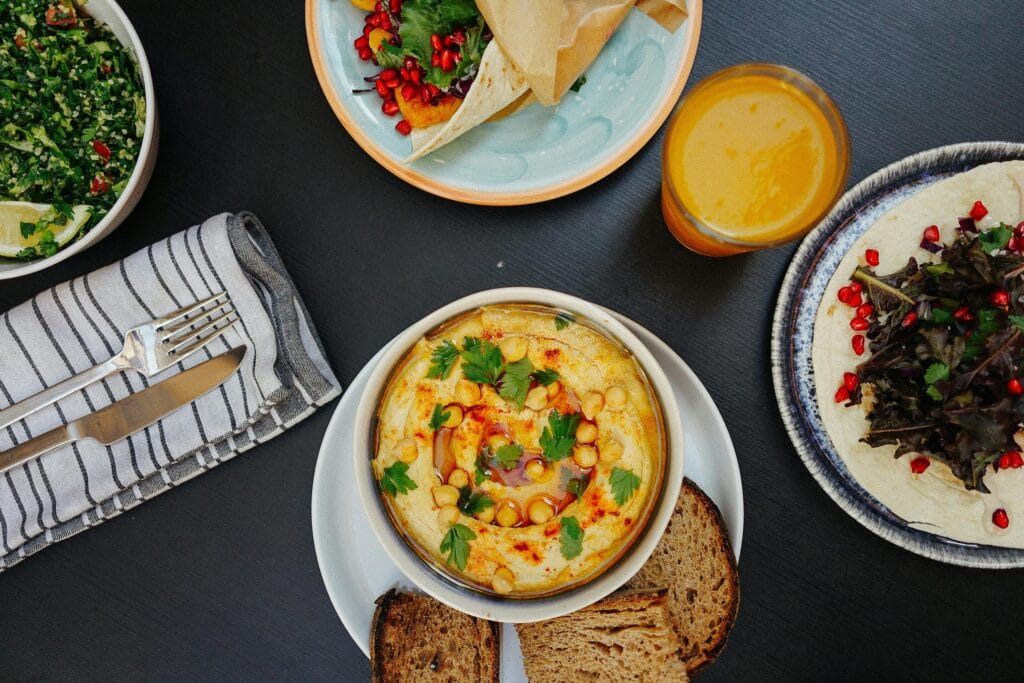
The real magic happens when you move beyond the “when” of eating and start focusing on the “what.” To truly unlock the benefits of fasting—what experts call metabolic flexibility—you need a diet that complements the cellular cleanup and insulin-lowering effects of the fast. This is where the Mediterranean diet comes in as the ultimate “metabolic stack.” By focusing on high-quality fats, lean proteins, and an abundance of fiber-rich plants, the Mediterranean diet provides the raw materials your body needs to thrive during the fasted state.
The Concept of Metabolic Flexibility
Before we dive into the specifics of the Mediterranean protocol, we need to understand the goal: Metabolic Flexibility. This is your body’s ability to switch fuels based on what is available. A metabolically flexible person burns glucose (sugar) when they eat and quickly switches to burning ketones (fat) when they stop eating. Most people today are “sugar burners”; their bodies have forgotten how to access fat stores, which leads to intense hunger pangs, “hangry” moods, and stubborn belly fat.
Intermittent fasting is the exercise that teaches your body to burn fat again, but the Mediterranean diet is the fuel that makes that transition seamless. When you break a fast with a high-sugar meal, you spike your insulin so high that your body immediately “locks” your fat cells again. However, when you break your fast with Mediterranean staples like extra virgin olive oil, avocado, and wild-caught fish, you keep insulin stable. This allows your metabolism to stay in “fat-burning mode” even after you’ve started eating.
Why the Mediterranean Diet is the Perfect Partner for Fasting
The Mediterranean diet is more than just a list of foods; it is a nutrient-dense framework that targets inflammation and oxidative stress. When you fast, your body goes through a process called Autophagy, where it cleans out damaged cells. The Mediterranean diet contains high levels of polyphenols and antioxidants that actually support and enhance this cleanup process.
Comparing Dietary Approaches for Fasting Success
| Factor | Standard Diet + Fasting | Mediterranean Diet + Fasting |
| Insulin Response | High spikes, leading to fat storage. | Low, stable response; promotes fat burning. |
| Inflammation | High (due to processed oils/sugars). | Very Low (due to Omega-3s and olive oil). |
| Satiety Levels | Low; frequent “crashes” and hunger. | High; healthy fats keep you full longer. |
| Cellular Repair | Minimal; hindered by oxidative stress. | Maximum; polyphenols boost autophagy. |
| Energy Stability | Rollercoaster of peaks and valleys. | Sustained, steady energy all day. |
The Role of Healthy Fats in “Turbo-Charging” Results
One of the biggest mistakes people make when fasting is staying “fat-phobic.” To burn fat, you have to eat fat—specifically the monounsaturated and omega-3 varieties found in a Mediterranean-style plan. Extra virgin olive oil (EVOO) is the cornerstone of this diet, and for a good reason. It contains Oleocanthal, a powerful anti-inflammatory compound that mimics the effect of ibuprofen without the gut-damaging side effects.
When you are in your eating window, consuming healthy fats helps your brain signal “fullness” through a hormone called cholecystokinin (CCK). Furthermore, these fats help your body absorb fat-soluble vitamins like A, D, E, and K, which are essential for hormonal health and metabolic rate. If your hormones are out of balance because you aren’t eating enough healthy fats, your metabolism will naturally slow down to conserve energy. By “flooding” your system with Mediterranean fats, you tell your thyroid and adrenal glands that resources are plentiful, keeping your metabolic fire burning bright.
Fiber: The Secret Weapon for Gut Health and Fasting
A common complaint among those who start intermittent fasting is digestive discomfort or changes in bowel habits. This usually happens because the “window” isn’t long enough to fit in the necessary amount of fiber. The Mediterranean diet solves this by prioritizing legumes, nuts, seeds, and whole vegetables.
Fiber does more than just keep things moving. It acts as a prebiotic, feeding the beneficial bacteria in your gut microbiome. A healthy microbiome is now recognized as a key driver of weight management. Specifically, certain bacteria produce Short-Chain Fatty Acids (SCFAs) like butyrate, which have been shown to improve insulin sensitivity and increase calorie burning. When you combine the gut-clearing benefits of a fast with the gut-feeding benefits of the Mediterranean diet, you create a microbial environment that is optimized for a high metabolism.
How to Structure Your Mediterranean Fasting Day
To get the “turbo-charged” results promised, you should follow a specific sequence when opening and closing your eating window. This prevents the blood sugar rollercoaster and ensures you are getting the most out of every bite.
- Breaking the Fast: Start with “Fiber, Fat, and Protein.” A perfect example is a salad with leafy greens, walnuts, a hard-boiled egg, and a heavy drizzle of olive oil. Avoid starting with fruit or bread, which can cause a rapid insulin spike.
- The Main Meal: Focus on a palm-sized portion of protein (like grilled chicken or salmon) accompanied by two to three servings of colorful vegetables. Use herbs and spices like turmeric and garlic, which have their own metabolic-boosting properties.
- Closing the Window: End your day with a “slow-burning” fat and protein combo. This could be Greek yogurt with a few almonds. This ensures that as you enter your fasting state overnight, your body has a steady supply of amino acids to repair muscle tissue while you sleep.
Conclusion
Intermittent fasting is an incredible tool, but it is only half of the longevity equation. To stop the cycle of weight plateaus and “brain fog,” you must stop fasting without the Mediterranean diet. By pairing the “when” of fasting with the “what” of Mediterranean nutrition, you are creating a metabolic stack that optimizes insulin sensitivity, boosts autophagy, and protects your gut microbiome. Take control of your metabolism today by breaking your next fast with the Mediterranean “secret” and watch as your body finally rewards your efforts with sustained energy and long-term vitality.
Related Articles
- The Sugar-Cravings Killer? This Bitter “Forest Herb” Switches Off Your Sweet Tooth in Seconds
- The Shocking Truth: Most Adults Are Starving Their Bodies of Veggies—Here’s How Much You Really Need to Age Well
- Stop Tossing Avocado Seeds—Doctors Reveal the Hidden Benefit You’ll Wish You Knew Sooner
- The Breakthrough Longevity Supplement Everyone Will Be Talking About in 2026
- Stop Cooking Now: I’m a Doctor and This One Popular Kitchen Mistake Causes Cancer-Causing Toxins