FREE SHIPPING OVER $50

Stop Eating These Superfoods After 60 — 7 Hidden Risks Every Senior Should Know

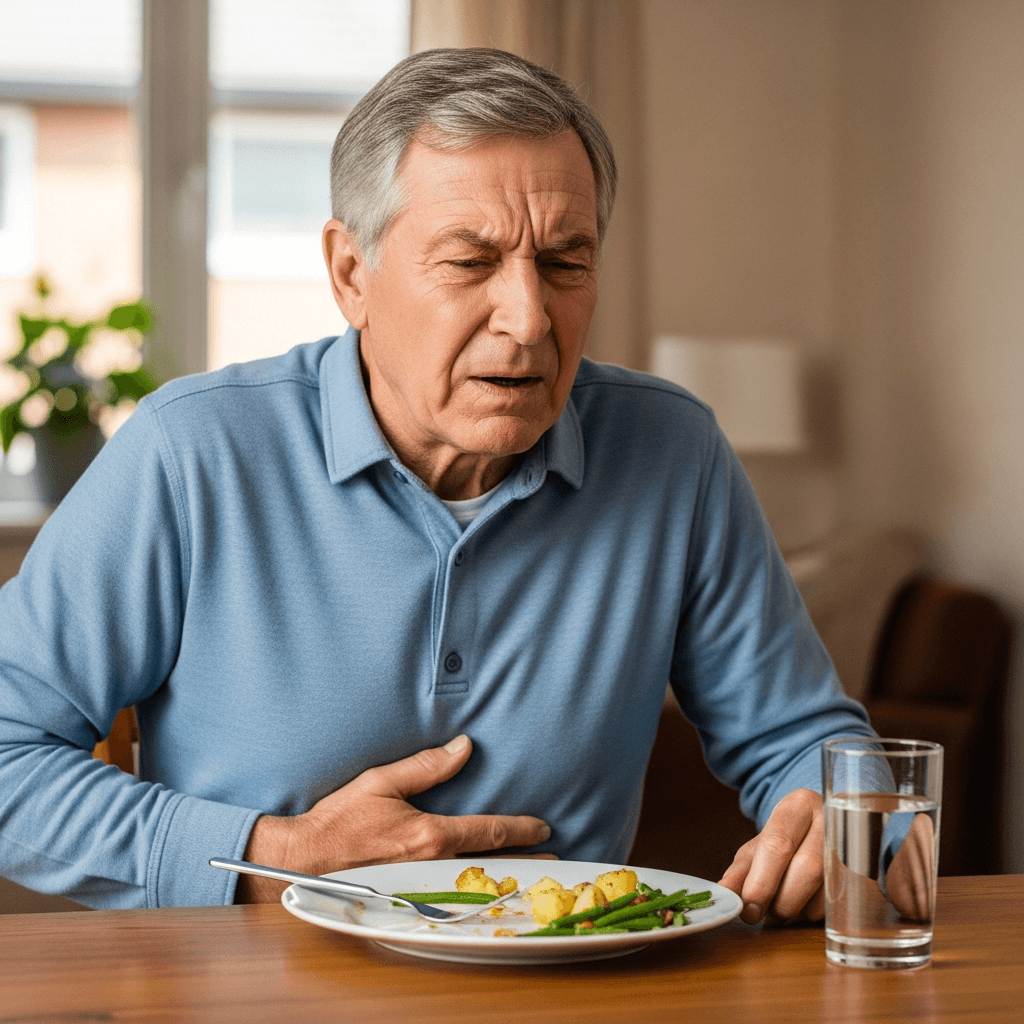
We are conditioned to see words like “raw,” “kale,” and “grapefruit” as nutritional gold standards. For the average 30-year-old, these foods are incredible engines for health. However, as we cross the 60-year mark, the way our bodies process nutrients begins to shift. Our stomach acid levels change, our kidneys become more sensitive, and our interactions with common medications become a high-stakes balancing act.
What was once a “superfood” in your younger years can actually become a “stress-food” in your 60s and 70s. Many of the most popular health trends in the US are designed for young metabolisms and don’t take into account the unique physiological needs of older adults. If you’ve been feeling unexplained joint pain, digestive distress, or fatigue despite “eating clean,” your superfoods might be the culprit. Let’s break down the seven hidden risks that every senior needs to know.
7 Healthy Foods That Can Be Risky After 60
1. Raw Spinach and Kale (The Oxalate Overload)
Spinach and kale are the poster children for healthy eating, but eating them raw in large quantities—like in a daily green smoothie—can be a disaster for seniors. These greens are packed with oxalates, naturally occurring compounds that bind to calcium.
As we age, our kidney function naturally declines. When you flood your system with raw oxalates, they can crystallize in the kidneys, leading to painful kidney stones. Furthermore, because oxalates bind to calcium, they can actually prevent your body from absorbing the very calcium you need to maintain bone density and fight osteoporosis.
The Senior Fix: Always cook your greens. Steaming or sautéing spinach and kale significantly reduces oxalate levels, making the nutrients more bioavailable and much easier on your kidneys.
2. The Grapefruit Interaction
Grapefruit is a nutritional powerhouse, but for many seniors, it is arguably the most dangerous fruit in the produce aisle. Grapefruit contains compounds called furanocoumarins that interfere with an enzyme in your small intestine responsible for breaking down medication.
When this enzyme is blocked, your body absorbs much more of the drug than intended, effectively causing an “overdose” of your standard prescription. This is particularly common with:
- Statins (Cholesterol medication)
- Blood Pressure medications
- Anti-anxiety drugs
- Organ transplant anti-rejection meds
The Senior Fix: If you are on any maintenance medication, check the label or ask your pharmacist. If grapefruit is off-limits, switch to oranges or pomelos, which generally don’t have the same high-risk interactions.
3. Raw Sprouts (The Bacteria Breeding Ground)
Alfalfa and radish sprouts are often added to sandwiches for a “healthy crunch,” but they carry an inherent risk of food poisoning. Sprouts require warm, humid conditions to grow—the same conditions that E. coli, Salmonella, and Listeria thrive in.
As we get older, our immune systems become less “aggressive,” and stomach acid production decreases. This means a bacterial load that a younger person might easily fight off can lead to severe dehydration or hospitalization for a senior.
The Senior Fix: Skip the raw sprouts entirely. If you want that crunch, use thinly sliced cucumbers or lightly blanched snap peas.
4. Unpasteurized “Raw” Honey
Raw honey is often touted for its enzymes and local pollen benefits. However, raw honey can contain spores of Clostridium botulinum. While adults generally have enough gut acidity to handle this, many seniors with compromised digestive tracts or those taking heavy antacids (PPIs) are at a higher risk for botulism or general gut toxicity.
The Senior Fix: Stick to high-quality, organic, but pasteurized honey. You still get the sweetness and the antioxidants without the risk of dormant spores.
5. Whole Grains Without “Soaking” (The Phytate Problem)
We are always told to choose whole grains over white bread. While the fiber is great, whole grains, seeds, and nuts contain phytic acid. This is often called an “anti-nutrient” because it locks onto minerals like iron, zinc, and calcium in your digestive tract.
For older adults, mineral deficiency—especially iron and zinc—is a major cause of fatigue and a weakened immune system. If you eat a diet heavy in un-soaked grains and raw nuts, you might be “starving” your body of the minerals you think you are consuming.
| Food Category | The “Anti-Nutrient” | Senior Risk |
| Grains/Beans | Phytic Acid | Blocks Iron and Zinc absorption |
| Raw Greens | Oxalates | Can cause Kidney Stones |
| Soy/Crucifers | Goitrogens | Can interfere with Thyroid function |
The Senior Fix: Soak your beans and grains overnight before cooking. For nuts, look for “activated” or sprouted versions, which have already had the phytic acid neutralized.
6. Raw Cruciferous Veggies (Thyroid Sabotage)
Broccoli, cauliflower, and Brussels sprouts are incredible for detoxification. However, in their raw form, they contain goitrogens. These are substances that can interfere with the way your thyroid uses iodine.
Thyroid issues are incredibly common in adults over 60, often leading to weight gain, cold intolerance, and “brain fog.” If you already have a sluggish thyroid, snacking on raw broccoli florets can actually slow your metabolism down further.
The Senior Fix: Lightly steam or roast these vegetables. Heat deactivates the goitrogenic compounds while keeping the fiber and cancer-fighting sulforaphane intact.
7. “Sugar-Free” Superfood Snacks
Many seniors looking to manage their blood sugar reach for “sugar-free” bars or keto-friendly superfood snacks. These are often loaded with sugar alcohols like Xylitol, Sorbitol, or Erythritol.
While these don’t spike your insulin, they can cause significant gastrointestinal distress, bloating, and diarrhea in older digestive systems. Because seniors are already at a higher risk for dehydration, the “laxative effect” of these artificial sweeteners is more than just an inconvenience—it can be a health hazard.
The Senior Fix: If you want a sweet treat, stick to a small portion of whole fruit or dark chocolate (85% or higher). Natural sugar in small amounts is often easier for a senior’s gut to process than chemical sugar alcohols.
Transitioning to a Senior-Safe Superfood Diet
The goal isn’t to stop eating healthy; it’s to adapt your healthy eating to your current biology. Most of the risks mentioned above are easily solved with preparation.
- Shift to “Low and Slow” Cooking: Slow cookers and steamers are a senior’s best friend. They break down tough fibers and neutralize anti-nutrients.
- Prioritize Bioavailability: It’s not about how many nutrients you put in your mouth; it’s about how many make it into your bloodstream.
- Hydrate with Intent: Because our thirst mechanism fades after 60, you must drink water even when you don’t feel thirsty, especially if you are eating high-fiber “superfoods.”
Related Articles
- Eat Fruit Without Fear: 7 Science-Backed Facts Every Person with Diabetes Needs
- The “Ginger Effect”: Why Eating This Root Daily Flushes Out 3 Specific Toxins
- The “Savory Shield”: The 1-Minute Appetizer That “Locks” Insulin and Blocks Fat Storage
- Forget Pomegranate Seeds: The $2 Superfood with 5x More Antioxidants (Plus 9 Others You’re Missing)
- Never Do This After Eating Salty Foods—Doctors Say It Can Spike Heart Attack Risk