FREE SHIPPING OVER $50

Scientists Tested 10 Muscle Building Supplements — Here’s What Actually Works

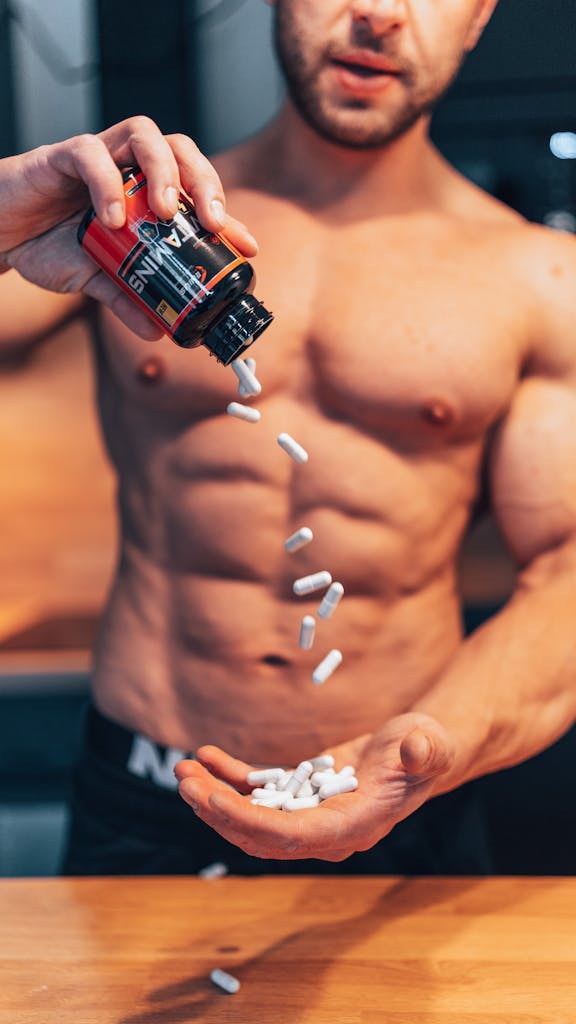
Walking into a supplement store today feels a bit like stepping into a futuristic lab where every bottle promises to turn you into a Greek god overnight. The marketing is slick, the labels are aggressive, and the promises of “explosive growth” are everywhere. But if you have spent any time in the fitness world, you know that the gap between a marketing claim and a laboratory result is usually a mile wide.
The supplement industry is a multi-billion-dollar machine built on the hope that there is a shortcut to muscle mass. However, scientists have been quietly putting these compounds to the test for decades. By looking at peer-reviewed studies and clinical trials, we can finally cut through the “bro-science” and see which bottles are worth your hard-earned cash and which ones are essentially expensive flavored water.
Muscle Building Supplements Worth Your Money
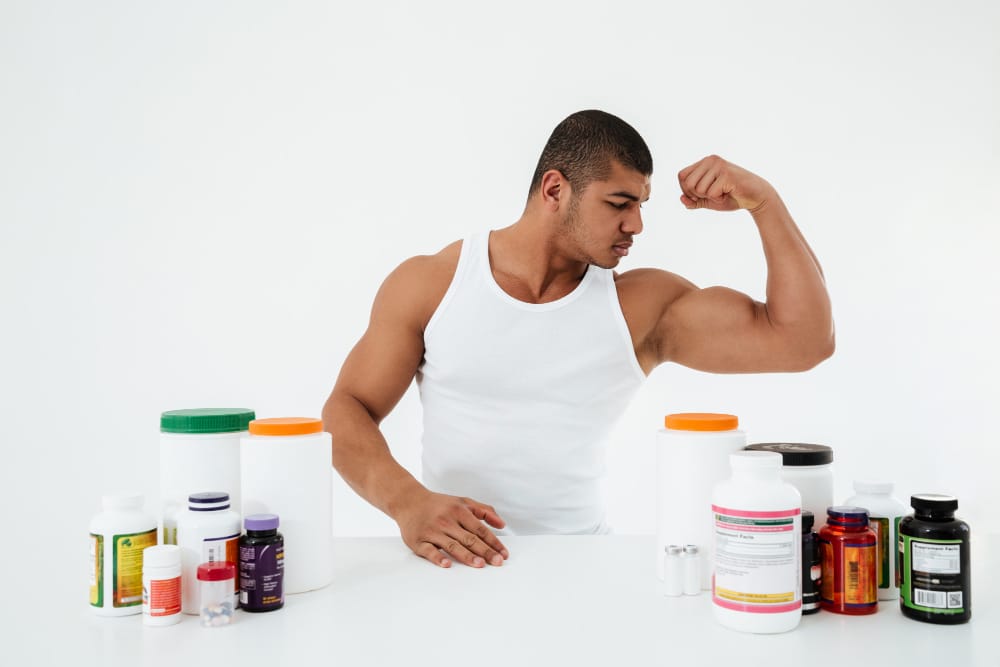
1. Creatine Monohydrate: The Undisputed King
If there were a hall of fame for supplements, Creatine Monohydrate would be the first entry. It is the most researched sports supplement in history, with hundreds of studies backing its safety and efficacy.
The science is simple: your muscles use a molecule called Adenosine Triphosphate (ATP) for energy during heavy lifting. When you lift, you burn through ATP quickly. Creatine helps your body regenerate that energy faster, allowing you to squeeze out those extra two or three reps that actually trigger muscle growth. Furthermore, creatine draws water into your muscle cells, creating a more anabolic (growth-friendly) environment.
- The Verdict: Essential. It increases strength, power output, and lean mass.
- Pro Tip: Ignore the fancy, expensive versions like Creatine HCL or Nitrate. Plain monohydrate is what the scientists use, and it’s the cheapest.
2. Whey Protein: The Building Blocks
While some argue that you can get all your protein from whole foods, whey protein remains a scientific powerhouse for one reason: convenience and absorption rate. Muscle protein synthesis (MPS) is the process of repairing and growing muscle tissue. To trigger MPS effectively, your body needs a high dose of the amino acid Leucine.
Whey protein is exceptionally high in Leucine and is digested rapidly, making it the perfect post-workout fuel. Scientists have consistently found that supplementing with whey leads to better recovery and slightly faster muscle gains compared to those who struggle to hit their protein targets through food alone.
3. Caffeine: The Hidden Strength Booster
You probably think of caffeine as a way to wake up, but researchers view it as a powerful “ergogenic aid.” Caffeine doesn’t just give you energy; it reduces your perception of effort. This means you can train harder for longer periods before your brain tells your body to quit.
Studies show that caffeine can increase 1RM (one-rep max) strength and total training volume. Since muscle growth is primarily driven by “progressive overload” (doing more over time), caffeine is a direct catalyst for gains.
4. Beta-Alanine: The Endurance Engine
If you have ever taken a pre-workout and felt a “tingling” sensation in your skin, that’s the Beta-Alanine working. While the tingles (paresthesia) are harmless, the real benefit happens inside the muscle.
Beta-alanine increases your levels of carnosine, which acts as a buffer against lactic acid. When you are doing a high-rep set of 12 to 15 reps, it’s usually the “burn” that makes you stop. Beta-alanine pushes that burn back, allowing you to perform more work before fatigue sets in. It is most effective for sets lasting 60 to 240 seconds.
5. Citrulline Malate: The Pump and Recovery Agent
Citrulline Malate has become a staple in pre-workouts for its ability to increase nitric oxide levels. This dilates your blood vessels, leading to the “pump” that lifters love. But the science goes deeper than just looking good in the gym mirror.
By increasing blood flow, Citrulline Malate helps deliver nutrients to the muscles more efficiently and clears out metabolic waste products like ammonia. This results in less muscle soreness the next day, allowing you to get back to the gym sooner.
6. Vitamin D: The Hormonal Foundation
Most people think of Vitamin D for bone health, but it is actually a pro-hormone that plays a massive role in muscle function and testosterone production. In the US, a significant portion of the population is deficient, especially during winter months.
Scientists have found a direct correlation between optimal Vitamin D levels and muscle strength. If your levels are low, your muscle fibers literally cannot contract as forcefully. It’s not flashy, but it is a fundamental “health” supplement that directly impacts your “fitness” results.
Muscle Building Supplements That Aren’t Worth The Hype
7. HMB: The Anti-Catabolic Niche
HMB (Beta-hydroxy beta-methylbutyrate) is a metabolite of Leucine. The science here is a bit “hit or miss.” Researchers have found that HMB is incredibly effective at preventing muscle breakdown (catabolism).
However, this mostly applies to beginners who are experiencing massive muscle damage for the first time or athletes in a severe calorie deficit. For the average, well-fed lifter, the benefits are negligible. If you are dieting down for a photoshoot or a competition, HMB might be worth the spend, but otherwise, stick to the basics.
8. BCAAs: The Expensive Water
This is where the marketing machine really wins. Branched-Chain Amino Acids (BCAAs) are sold as a way to prevent muscle loss and improve recovery. The logic seems sound: muscles are made of amino acids, so more amino acids must be better, right?
The problem is that if you are already eating enough protein (like whey or chicken), you are already getting all the BCAAs you need. Scientists have found that taking isolated BCAAs can actually hinder muscle growth because they compete with other essential amino acids for absorption. Unless you are training in a fasted state, you can skip these entirely.
9. Glutamine: Great for Guts, Not for Gutsy Gains
Glutamine is often touted as a recovery miracle. While it is true that glutamine is the most abundant amino acid in the body and is vital for immune function and gut health, the science shows it does almost nothing for muscle growth in healthy individuals.
Your body is very good at producing its own glutamine. Unless you are recovering from a severe burn injury or intense clinical trauma, supplementing with glutamine won’t help you build a bigger chest or back.
10. “Natural” Testosterone Boosters
This is perhaps the biggest “scam” in the supplement industry. Products containing Tribulus Terrestris, D-Aspartic Acid, or Maca Root claim to skyrocket your testosterone levels.
When scientists test these in healthy men, the results are almost always the same: no significant increase in testosterone and no increase in muscle mass. While some of these herbs might increase your libido (making you feel like you have more testosterone), they don’t actually change your hormonal profile in a way that builds muscle.
The Reality Check: Supplement Tiers
To make this easy to digest, we have categorized the ten most common supplements into tiers based on scientific consensus.
| Tier | Supplement | Scientific Confidence |
| Tier 1: The Essentials | Creatine, Whey Protein | Very High |
| Tier 2: High Performance | Caffeine, Beta-Alanine | High |
| Tier 3: The Support Crew | Citrulline Malate, Vitamin D | Moderate |
| Tier 4: Overrated/Bunk | BCAAs, Glutamine, Test Boosters | Low to None |
How to Build a Science-Based Stack
Now that we have separated the wheat from the chaff, how should you actually spend your money? You don’t need a ten-bottle stack to get results. In fact, most of your progress will come from a very small selection of tools.
- The Foundation: Use Creatine Monohydrate (5g daily) and a high-quality Whey Protein to ensure you hit your daily protein targets (roughly 0.8g to 1g per pound of body weight).
- The Workout Boost: Take Caffeine and Citrulline Malate about 30–45 minutes before you train to increase your intensity and blood flow.
- The Maintenance: Check your Vitamin D levels. If you are low, a simple daily supplement can keep your hormonal health in check.
By focusing on these few, you save hundreds of dollars a month and focus your attention where it matters: your training and your recovery.
Related Articles
- I Tried Elevated Glute Bridges for 14 Days — The Results Shocked Me
- Are You “Gym Strong” or Actually Strong? The Real Deadlift Benchmarks for Men
- Forget Melatonin: New Study Shows These 3 Workouts Beat Sleeping Pills (And #2 Is a Total Shock)
- 15 Fitness Lies Men Over 50 Still Believe (And the Truth That Keeps You Strong)
- Push-Ups Are Overrated—These 3 Shoulder Moves Build More Strength, Says a Weightlifting Coach