FREE SHIPPING OVER $50

Over 60 and Walking Alone? Do These 5 Moves Today to Protect Your Life and Mobility

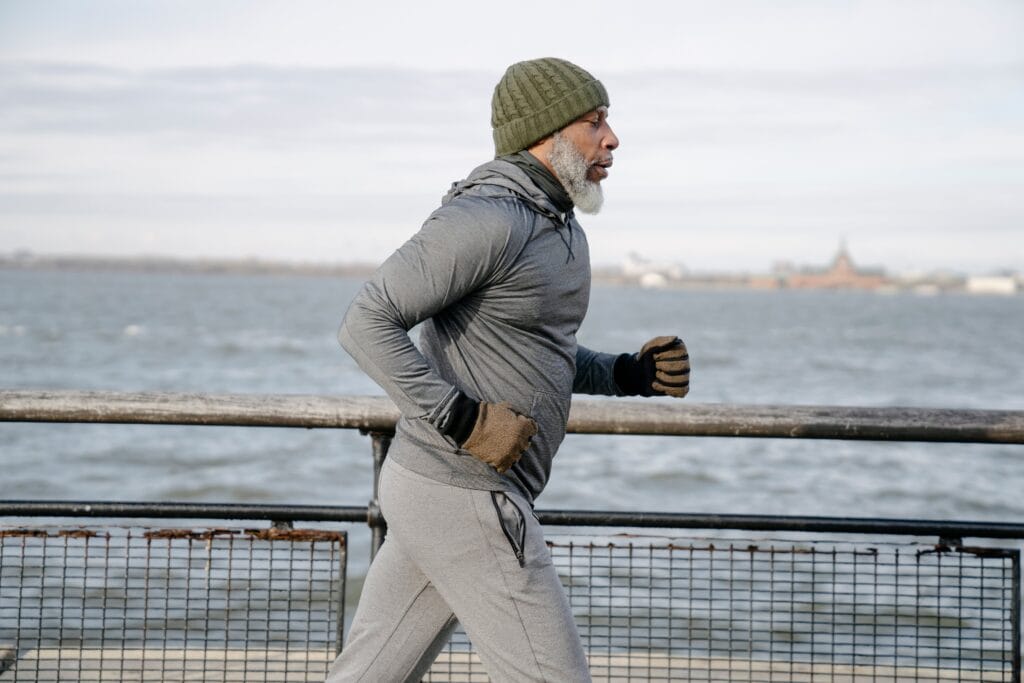
A daily walk is the gold standard for healthy living after 60, but relying on it alone creates a “single-plane” fitness trap. Walking builds cardiovascular endurance, yet it does little to improve the lateral stability or reactionary strength needed to prevent a fall. If you walk without a supplemental balance routine, you may be developing a false sense of security while your “stabilizer” muscles—the ones that actually catch you during a trip—slowly atrophy.
Mobility is your greatest asset for longevity, but “getting your steps in” isn’t enough to bulletproof your body. According to the CDC, falls are the leading cause of injury-related death for older adults, yet most are preventable through targeted movement. To truly protect your independence, you must strengthen your “mobility anchors” and challenge your balance daily. These five essential moves ensure your walk remains a safe, life-extending habit rather than a risk.
The Science of Stability: Why Walking Isn’t Enough
Walking is essentially a controlled forward fall. While it is excellent for your heart, it doesn’t prepare your body for the unexpected. If you trip on a curb or slip on a patch of ice, your body needs lateral power and proprioception (your brain’s ability to know where your limbs are in space) to catch itself. As we age, we naturally lose “Type II” fast-twitch muscle fibers—the ones responsible for those quick, reflexive movements.
By adding specific movements to your day, you are essentially “armoring” your joints. You are teaching your nervous system how to react to shifts in gravity. This transition from “just walking” to “functional stability” is what separates those who remain active into their 90s from those who suffer a mobility-ending injury in their 70s.
| Metric | Walking Only | Walking + Stability Moves |
| Fall Risk | Moderate to High | Significantly Reduced |
| Bone Density | Maintenance Level | Active Stimulation |
| Lateral Balance | Minimal Improvement | Maximum Improvement |
| Reaction Time | Passive | Sharpened |
5 Moves That Protect Your Life and Mobility
1. The Sit-to-Stand (The Independence Builder)
The ability to get out of a chair without using your hands is the single greatest predictor of longevity and physical independence. This move targets the quads, glutes, and core—the “powerhouse” muscles that support your spine and hips. If these muscles are weak, your walk will eventually become a shuffle, which significantly increases your trip risk.
How to do it:
- Find a sturdy chair and sit toward the front edge.
- Plant your feet firmly, slightly wider than hip-width apart.
- Cross your arms over your chest (don’t use the armrests!).
- Lean forward slightly at the hips and drive through your heels to stand up.
- Slowly lower yourself back down until your glutes just touch the seat.
- Repeat for 10 to 12 reps.
2. The Tandem Stance (The Balance Anchor)
Walking happens in a “narrow base of support,” but we rarely train that specific position. The Tandem Stance mimics the moment in a walk where you are most vulnerable to a side-to-side fall. It forces your brain to recalibrate your center of gravity, strengthening the tiny stabilizer muscles in your ankles and feet.
How to do it:
- Stand near a kitchen counter or a wall for safety.
- Place one foot directly in front of the other, so the heel of your front foot touches the toes of your back foot (like you are walking on a tightrope).
- Try to hold this position for 30 seconds without holding onto anything.
- Switch feet and repeat.
- If this is too easy, try doing it while slowly turning your head from left to right.
3. Lateral Side-Steps (The Hip Protector)
Walking only moves you forward and backward (the sagittal plane). However, most falls happen to the side. Lateral side-steps strengthen the gluteus medius, the muscle on the side of your hip that keeps your pelvis level while you walk. Strong side-hips are the best defense against the “hip drop” that causes many seniors to lose their balance.
How to do it:
- Stand with your knees slightly bent in a “mini-squat” position.
- Step your right foot out to the side as far as is comfortable.
- Bring your left foot in to meet it, keeping tension in your legs.
- Take 10 steps to the right, then 10 steps back to the left.
- To make this harder, you can place a light resistance band around your ankles.
4. Single-Leg Knee Lifts (The “Stumble” Insurance)
When you trip, your body has a split second to lift one leg and plant it firmly to break the fall. If you don’t have the single-leg stability to hold your weight for that second, you will go down. This move trains your “stance leg” to be an unshakeable pillar of support.
How to do it:
- Stand tall with your feet hip-width apart.
- Lift your right knee up toward your chest until your thigh is parallel to the floor.
- Hold for 5 to 10 seconds, focusing on keeping your standing leg “soft” but strong.
- Lower and switch sides.
- Aim for 5 repetitions on each leg.
5. Wall Push-Ups (The Upper Body Safety Net)
Most people forget that upper body strength is a key component of fall safety. If you do go down, you need the arm and chest strength to “break” your fall and, more importantly, the strength to push yourself back up off the ground. Wall push-ups are a joint-friendly way to maintain this “pushing” power without the strain of floor exercises.
How to do it:
- Stand about two feet away from a wall.
- Place your hands on the wall at shoulder height and slightly wider than shoulder-width.
- Keep your body in a straight line from head to heels.
- Slowly lower your chest toward the wall by bending your elbows.
- Push back to the starting position.
- Repeat for 10 to 15 reps.
Creating a “Safety-First” Routine
The magic of these moves isn’t just in the muscles they build, but in the neural pathways they create. Your brain needs regular reminders of how to coordinate these complex movements. Transitioning from a “walking only” mindset to a “mobility first” mindset is the most important change you can make in your 60s.
Consistency is far more important than intensity. You don’t need a gym membership or heavy weights; you just need a few minutes of focused movement every morning. Consider these moves your “pre-walk” checklist. By “waking up” your stabilizers before you head out the door, you ensure that your body is ready to handle whatever the pavement throws at it.
Related Articles
- Muscle Loss Isn’t Inevitable: The 9 “Non-Negotiable” Exercises for Longevity After 50
- The V-Taper Illusion: 6 Moves That Sculpt a Narrow Waist and Broad Shoulders Fast
- Flabby Arms?: The 4 “Anti-Gravity” Moves That Tighten Bat Wings Faster After 45
- 92% of New Year Workouts Fail by February: The ‘Identity Shift’ Secret to Beating the Odds
- The 5 Secret Exercises A-List Celebrities Swear By to Stay Muscular at Any Age